Introduction to M18 Proximity Sensors
The M18 proximity sensor is a cornerstone of modern industrial automation, renowned for its compact 18mm cylindrical housing and robust performance. These non-contact sensors detect the presence or absence of metallic objects without physical touch, making them ideal for harsh environments with dust, moisture, and vibration. Their standardized size allows for easy mounting and replacement across a vast array of machinery, from packaging lines and CNC machines to robotic arms and material handling systems. The fundamental operating principle involves generating an electromagnetic field; when a metallic target enters this field, it causes a change in the sensor's oscillation, triggering an output signal. This reliable detection mechanism is critical for tasks like counting, positioning, limit switching, and speed monitoring, ensuring seamless and efficient production workflows.
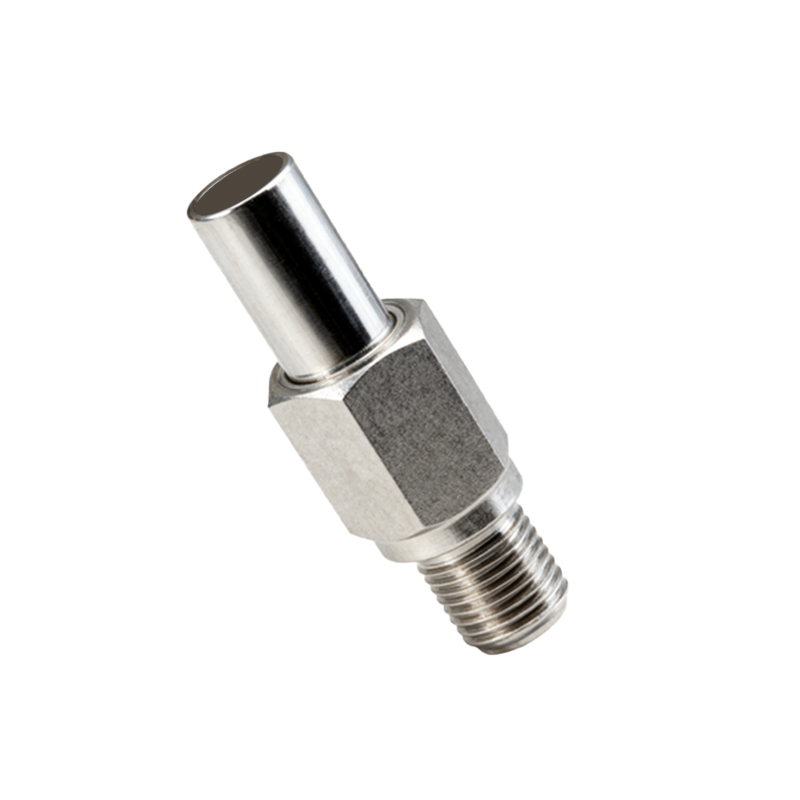
Decoding the 2-Wire Proximity Sensor
The 2-wire proximity sensor is lauded for its simplicity and direct integration, functioning similarly to a mechanical switch in a circuit. It connects in series with the load and the power supply, typically using the same two wires to carry both the operating power and the switched output signal. This design significantly simplifies wiring, reduces installation time, and lowers overall system cost. However, this architecture introduces a small residual current or leakage current when the sensor is in the "off" state. Engineers must carefully consider this leakage to ensure it does not inadvertently activate the connected load, such as a PLC input or a relay. Furthermore, 2-wire sensors often have a slightly higher voltage drop compared to other types, which must be accounted for in low-voltage applications. They are a popular choice for straightforward replacement of limit switches and in applications where cabinet space and wiring complexity are primary concerns.
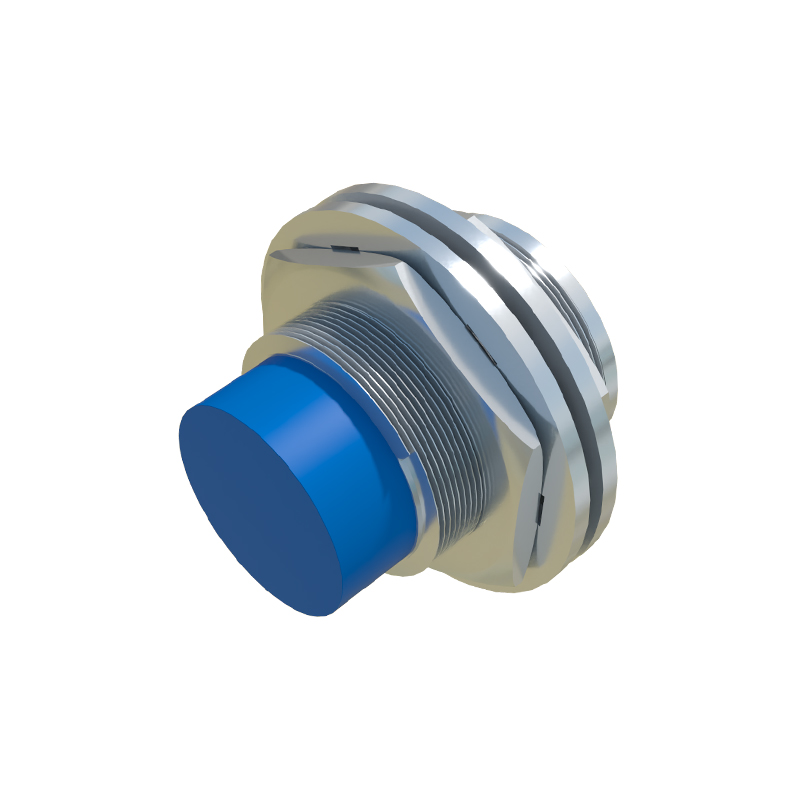
The Versatility of 3-Wire Proximity Sensors
The 3-wire sensor is the most common configuration in industrial settings, prized for its performance and flexibility. It features separate wires for power supply positive (brown), power supply negative/ground (blue), and the output signal (black). This dedicated output wire allows for two key types: NPN (sinking) and PNP (sourcing) outputs. An NPN sensor switches the negative or ground line to the load, while a PNP sensor switches the positive voltage line. This clear separation eliminates leakage current issues and provides a crisp, full-voltage signal to the load, ensuring reliable switching even with sensitive controllers. The 3-wire design also supports both normally open (NO) and normally closed (NC) output logic, offering greater design adaptability. Its superior electrical characteristics make it the default choice for complex control systems, programmable logic controllers (PLCs), and applications requiring high-speed switching or long cable runs with minimal signal degradation.
Focus on Inductive Proximity Sensor Coils
At the heart of every inductive M18 proximity sensor lies its coil, the critical component that defines its sensing capability. This coil is part of an oscillator circuit that generates a high-frequency electromagnetic field at the sensor's face. The coil's design, number of windings, and core material directly influence the sensor's nominal sensing distance, frequency response, and target material characteristics. For instance, sensors designed for ferrous metals (like iron and steel) have different coil properties compared to "non-ferrous" or "all-metal" sensors that can also detect aluminum, copper, and brass, albeit with a reduced sensing range. The coil is meticulously potted within the sensor housing to protect it from mechanical shock, humidity, and chemical exposure. Understanding the coil's role is essential for selecting the right sensor, especially when dealing with different target materials, required switching frequencies, or applications involving extreme temperatures that could affect the coil's inductance.
Key Selection Criteria: 2-Wire vs. 3-Wire
Choosing between a 2-wire and 3-wire M18 sensor is a fundamental design decision. The 2-wire system excels in cost-sensitive, high-volume applications with simple on/off control, offering easier installation and direct AC or DC compatibility in many models. Its main drawbacks are the potential leakage current and limited load capacity. Conversely, the 3-wire sensor provides electrical precision, no leakage current, faster response times, and compatibility with a wider range of modern digital controllers. It is indispensable for DC circuits in complex automation. The decision often boils down to the control system architecture: legacy or simple systems may favor 2-wire, while new installations with PLCs overwhelmingly use 3-wire PNP or NPN sensors. Always consult the sensor datasheet for specific details on voltage ranges, current ratings, output types, and environmental protection ratings (IP67/IP69K) to ensure optimal