Introduction to Infrared Proximity Sensing
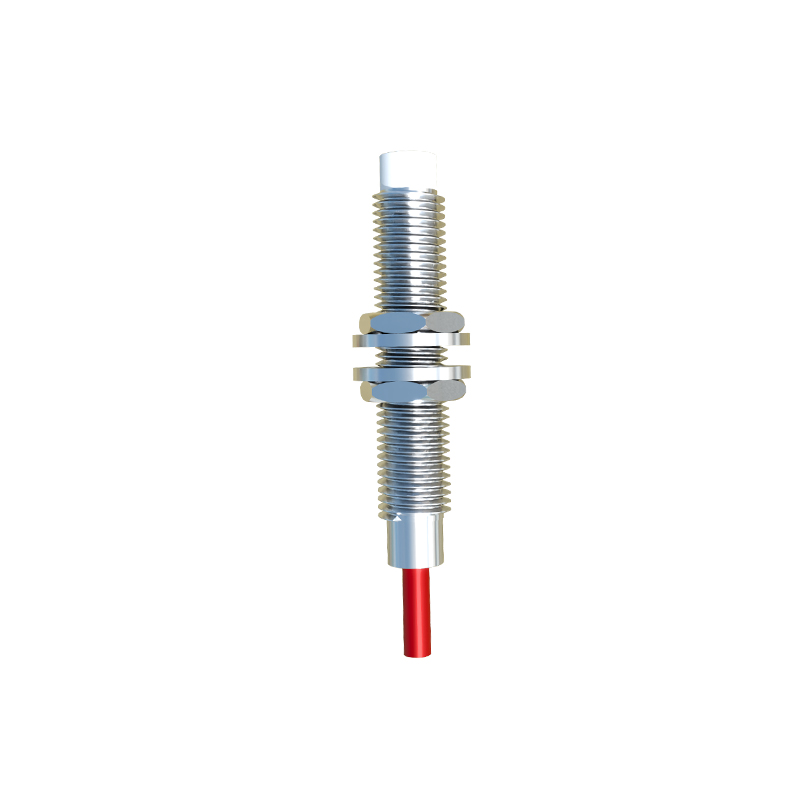
Infrared high-precision proximity switch sensors represent a critical category of non-contact detection devices widely utilized in industrial automation, robotics, and consumer electronics. These sensors operate by emitting an infrared light beam and detecting its reflection from a target object. The core principle hinges on the modulation of infrared light, which is invisible to the human eye, allowing for reliable operation in various lighting conditions without interference from ambient visible light. The "high-precision" designation refers to their ability to detect objects at specific, repeatable distances with minimal error, often down to sub-millimeter accuracy in advanced models. This precision is paramount in applications requiring exact positioning, counting, or presence verification.
Working Principle and Key Components
The fundamental operation involves an infrared emitter, typically an IR LED, and a photodetector, such as a phototransistor or photodiode. The emitter projects a modulated infrared signal towards the detection zone. When an object enters this zone, it reflects a portion of the emitted light back to the sensor. The photodetector converts this reflected light into an electrical signal. An integrated circuit then processes this signal, often using techniques like pulse modulation to distinguish the reflected signal from ambient IR noise. The sensor's output switches state (e.g., from high to low voltage) when the reflected signal strength exceeds a predefined threshold, indicating the presence of an object within the calibrated sensing range. Key to high precision is the quality of the optical components, the stability of the modulation frequency, and advanced signal processing algorithms that compensate for object color, reflectivity, and environmental factors.
Advantages Over Other Sensor Types
Compared to inductive or capacitive proximity sensors, infrared variants offer distinct benefits. They can detect non-metallic objects, including plastics, glass, and liquids, which inductive sensors cannot. While capacitive sensors can detect non-metals, they are more susceptible to environmental changes like humidity. Infrared sensors provide faster response times and can be configured for longer sensing distances. Their precision in distance measurement surpasses that of ultrasonic sensors in short-range applications, as they are not affected by air temperature or wind. The ability to focus the IR beam into a narrow detection zone allows for precise edge detection or small-part sensing, minimizing false triggers from background objects.
Primary Industrial Applications
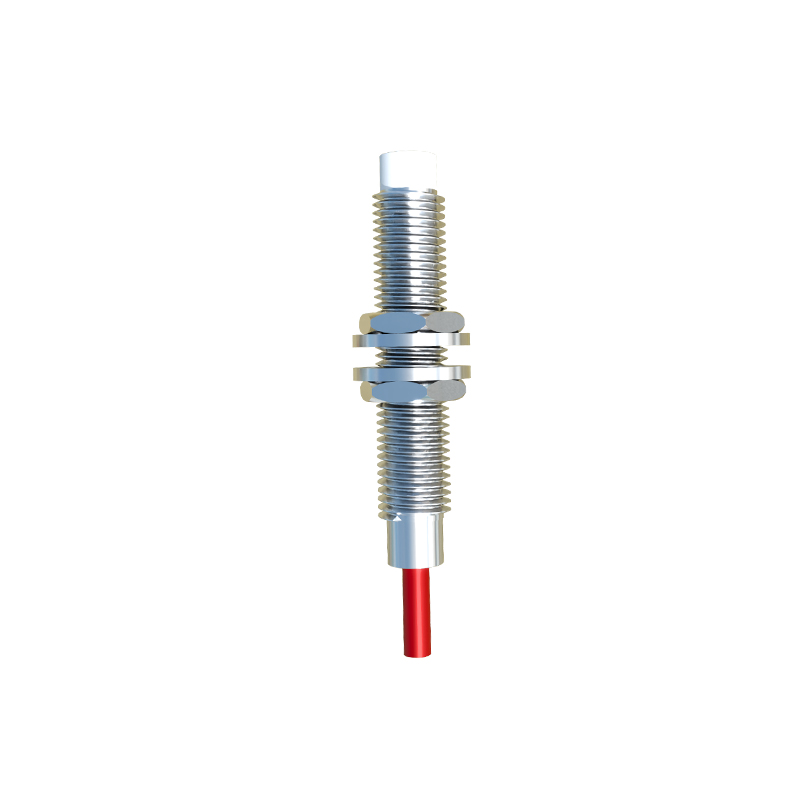
The applications for infrared high-precision proximity switches are vast. In automated assembly lines, they are used for precise part positioning, verifying component placement, and counting items on conveyors. Robotics relies on them for obstacle detection, gripper positioning, and navigation. In the packaging industry, they ensure correct fill levels, label positioning, and cap placement. Semiconductor manufacturing employs them for wafer handling and precise alignment due to their clean, non-contact operation. Consumer electronics, such as smartphones and appliances, use miniaturized versions for touchless interfaces, screen activation, and lid detection. Their reliability and precision make them indispensable in quality control systems where minute deviations are unacceptable.
Critical Selection Criteria
Selecting the appropriate sensor requires careful analysis of several parameters. The sensing range and repeatability are primary; datasheets specify nominal range and the tolerance band. The type of output (e.g., NPN/PNP transistor, analog, or digital IO) must match the control system. Response time is crucial for high-speed applications. Environmental robustness, indicated by an IP (Ingress Protection) rating, is necessary for dusty, humid, or washdown environments. The sensor's housing material (e.g., stainless steel, plastic) must suit the application's mechanical and chemical stresses. Furthermore, consider the target object's properties: size, color, and material, as dark or non-reflective surfaces may require sensors with higher output power or special calibration. Background suppression functionality is vital when the sensor must ignore objects beyond a specific plane.
Installation and Calibration Best Practices
Proper installation is key to achieving specified precision. Mount the sensor securely to prevent vibration-induced errors. Ensure the lens is clean and free from obstructions. Alignment is critical; the sensor must be perpendicular to the expected target path for optimal reflection. Avoid mounting near strong sources of infrared light, such as heaters or direct sunlight, which can cause interference. Many high-precision models feature teach-in functions or potentiometers for easy calibration on-site. During calibration, use a representative target object at the exact desired detection distance. For demanding applications, periodic recalibration may be necessary to maintain accuracy over time, compensating for potential lens contamination or component aging.
Future Trends and Developments
The evolution of infrared proximity sensors is driven by demands for greater intelligence, miniaturization, and integration. Future sensors will incorporate more sophisticated onboard processing, using algorithms for background