In the world of industrial automation and smart devices, a silent sentinel works tirelessly to detect, measure, and trigger actions without physical contact. This technology, known as the proximity sensor or limit sensor, is a cornerstone of modern efficiency and safety. Unlike mechanical limit switches that require a physical bump or press, proximity sensors perform their duty through an invisible field, offering unparalleled reliability and longevity.
At its core, a proximity sensor is a device that detects the presence or absence of an object within a specified range. It does this by emitting an electromagnetic field, a beam of light, or sound waves. When a target object disturbs this field, the sensor's internal circuitry is triggered, sending an electrical signal to a control system like a PLC (Programmable Logic Controller). This simple "on/off" signal forms the basis for countless automated decisions, from stopping a robotic arm to counting items on a conveyor belt.
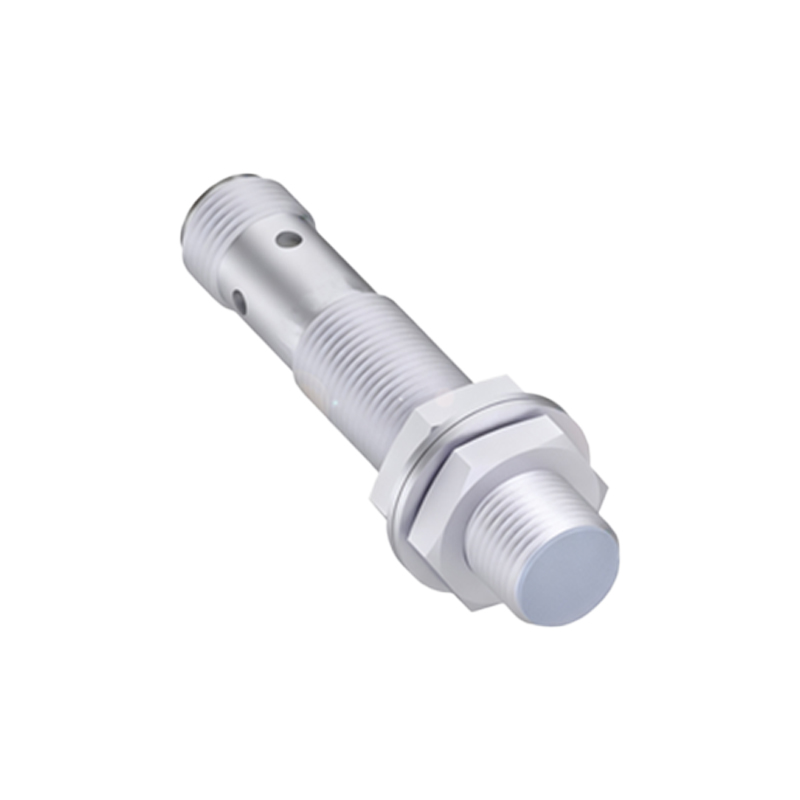
The diversity of proximity sensors is key to their widespread adoption. The most common type is the inductive proximity sensor. These sensors generate an oscillating electromagnetic field. When a metallic object—typically ferrous metals like steel or iron—enters this field, it causes eddy currents on the metal's surface. The sensor detects the resulting change in oscillation amplitude and switches its output state. Inductive sensors are workhorses in manufacturing, perfect for detecting metal parts, machine tool position, and in high-vibration environments due to their rugged, all-metal housing.
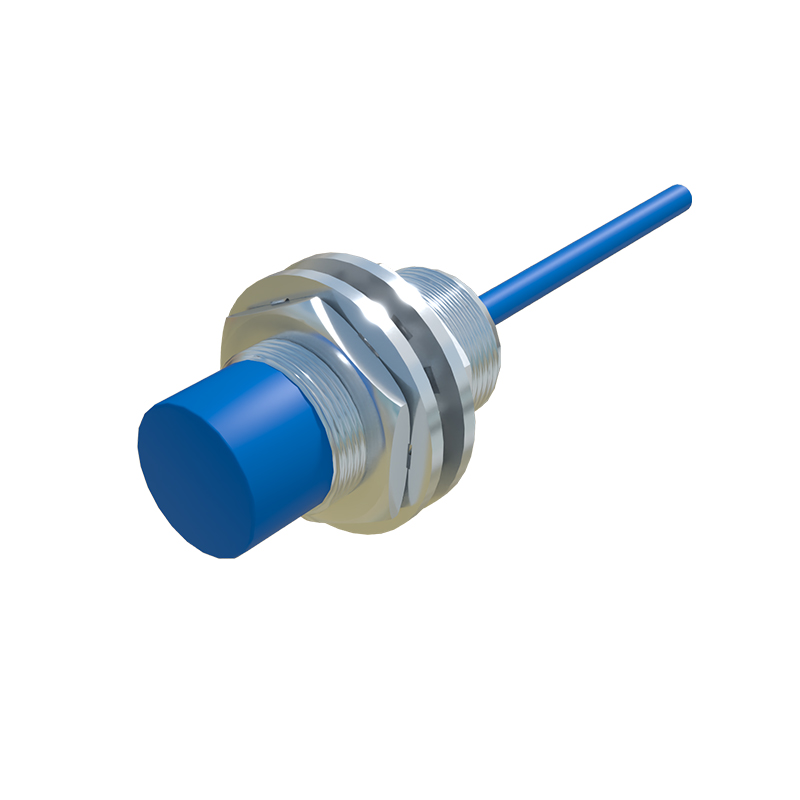
For applications involving non-metallic materials, capacitive proximity sensors step in. They can detect virtually any material: plastic, wood, liquid, glass, or granules. They operate by generating an electrostatic field. Any object with a dielectric constant different from air will alter the capacitance of the sensor's circuit, triggering detection. This makes them ideal for level sensing in tanks (liquid or powder), detecting filled bottles on a line, or monitoring the presence of paper or wood products.
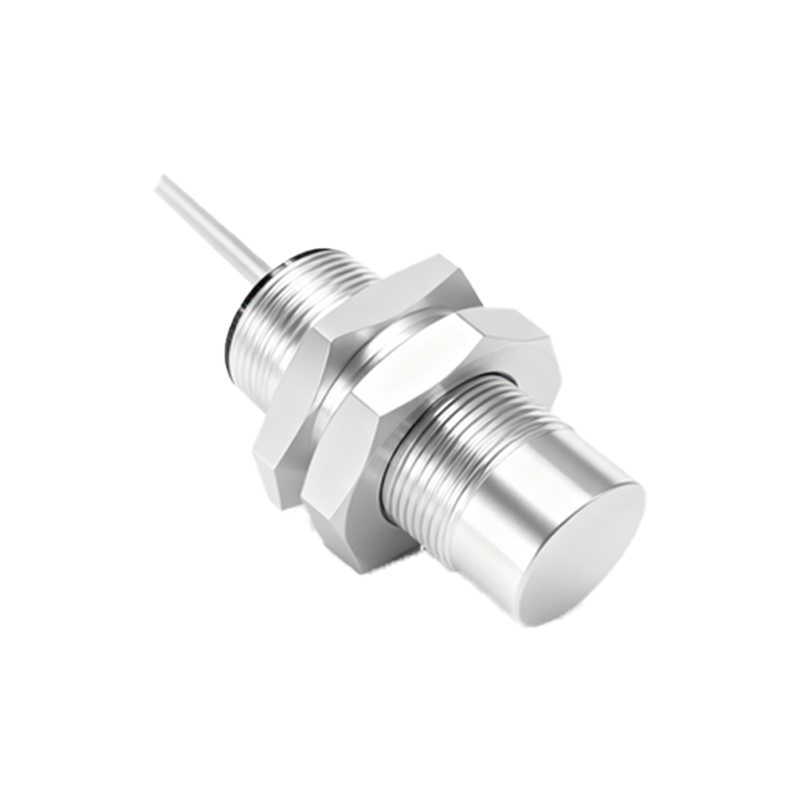
Another critical category is the photoelectric sensor. These use light, typically infrared, LED, or laser, to detect objects. They consist of an emitter and a receiver. In the through-beam type, the emitter and receiver are separate units; an object is detected when it breaks the light beam. In the retro-reflective type, both units are in one housing, and a reflector bounces the light back; detection occurs when the beam is blocked. The diffuse reflective type detects an object when light reflects off the object itself back to the receiver. Photoelectric sensors excel at long-range detection and can sense objects of any material, color, or finish, making them versatile for packaging, material handling, and security systems.
Ultrasonic sensors form another sophisticated group, using sound waves beyond human hearing. They measure the time it takes for a sound pulse to bounce back from an object. This allows them not only to detect presence but also to precisely measure distance. They are unaffected by color, transparency, or material (except very soft, sound-absorbing materials), making them superb for challenging applications like liquid level control, loop control in winding machines, or detecting transparent glass or plastic films.
The advantages of using proximity sensors over mechanical switches are substantial. The lack of physical contact means no wear and tear on the sensor or the target, leading to a dramatically longer operational life, often in the millions of cycles. They enable high-speed operation, as detection happens instantly without mechanical delay. Their solid-state construction makes them resistant to dirt, dust, moisture, and harsh industrial environments when properly rated (e.g., IP67). Furthermore, they provide consistent and repeatable accuracy, which is vital for precision manufacturing and quality control.
Selecting the right sensor involves several key parameters. The sensing range, or nominal range (Sn), is the standard detection distance for a standard target under ideal conditions. The real-world operating distance is often less, considering factors like target material, size, and temperature. The hysteresis is a crucial feature that prevents output chatter when a target is at the exact sensing point; it creates a small difference between the switch-on and switch-off points. Response frequency indicates how many detection cycles per second the sensor can handle. Output type is also critical, with options like NPN (sinking), PNP (sourcing), analog, or IO-Link for digital communication, allowing the sensor to transmit more data than a simple switch signal.
From the precise assembly of circuit boards to the massive automated warehouses of e-commerce giants, proximity sensors are the unsung heroes. They ensure robotic arms don't collide, they count every bottle in a beverage plant, they confirm doors are closed on elevators and trains, and they enable touchless faucets in public restrooms. As Industry 4.0 and the Internet of Things (IoT) advance, smart sensors with integrated diagnostics and network connectivity are becoming standard, providing predictive maintenance data and deeper integration into control systems.
In conclusion,