Introduction to Color Photoelectric Sensors
Color photoelectric sensors are advanced industrial devices designed to detect and differentiate objects based on their color. Unlike standard photoelectric sensors that respond to light intensity, these sensors use specific wavelengths to identify color variations, making them essential in quality control, sorting, and automation processes. They typically consist of a light emitter, receiver, and sophisticated processing circuitry that analyzes reflected light to determine color properties. The technology behind these sensors often involves RGB (Red, Green, Blue) sensing or specialized spectral analysis, allowing for high precision in diverse industrial environments. This capability ensures accurate detection even under varying lighting conditions, which is crucial for maintaining production efficiency and reducing errors in manufacturing lines.
Types and Configurations in Images
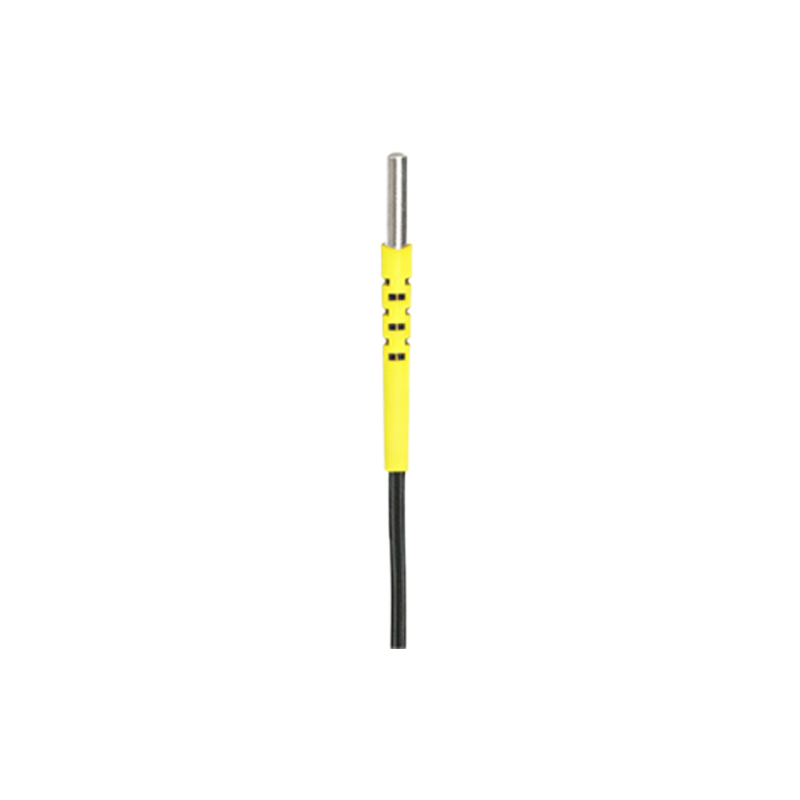
Images of color photoelectric sensors reveal a wide range of types and configurations tailored to different applications. Common variants include diffuse sensors, which detect color by measuring light reflected directly from an object, and through-beam sensors, where a separate emitter and receiver are used for more reliable detection over longer distances. In pictures, you can often see compact, rugged housings made from materials like stainless steel or plastic, designed to withstand harsh industrial settings such as dust, moisture, or temperature extremes. Some sensors feature built-in displays or indicators for easy setup and diagnostics, while others are miniaturized for integration into tight spaces. These visual examples help engineers select the right sensor based on factors like sensing range, response time, and environmental durability.
Key Features Illustrated Through Visuals
Photographs of color photoelectric sensors highlight key features that enhance their functionality. For instance, many models show adjustable sensitivity settings, allowing users to fine-tune color detection thresholds to match specific application needs. Images often depict multiple output options, such as NPN/PNP transistors or analog outputs, which enable seamless connectivity with PLCs (Programmable Logic Controllers) and other automation systems. Additionally, visuals may illustrate advanced capabilities like teach-in functions, where sensors can "learn" reference colors for quick calibration, or background suppression technology to ignore irrelevant surfaces. LED indicators visible in pictures provide real-time status feedback, showing operational modes or detection alerts, which simplifies maintenance and troubleshooting in fast-paced industrial environments.
Applications in Industry with Real-World Examples
The use of color photoelectric sensors is widespread across various industries, as seen in application-focused images. In packaging, sensors are shown detecting colored labels or verifying product correctness on conveyor belts, ensuring items like food or pharmaceuticals meet quality standards. Automotive manufacturing pictures display sensors sorting parts by color, such as differentiating wiring harnesses or checking paint finishes for consistency. In electronics, images capture sensors identifying components on PCBs (Printed Circuit Boards) based on color codes, aiding in assembly accuracy. Agricultural applications include sorting fruits or vegetables by ripeness color, while textile industries use sensors to match fabric shades. These real-world examples demonstrate how color detection improves efficiency, reduces waste, and enhances product reliability.
Installation and Setup Tips from Visual Guides
Images and diagrams provide valuable insights into the installation and setup of color photoelectric sensors. Visual guides often show mounting brackets or adjustable arms that allow for precise positioning relative to target objects, which is critical for optimal performance. Pictures may illustrate the importance of ambient light considerations, such as using shields or filters to minimize interference from external sources like sunlight or factory lighting. Setup sequences displayed in images highlight steps like aligning the emitter and receiver, configuring sensitivity via buttons or software interfaces, and testing detection with sample objects. These visuals emphasize best practices, such as maintaining a clean lens to prevent false readings and ensuring stable power supply connections to avoid operational disruptions in industrial settings.
Advantages and Limitations in Practical Use
Through comparative images and case studies, the advantages and limitations of color photoelectric sensors become clear. Benefits showcased include high-speed detection capabilities, with some sensors operating at millisecond response times, enabling rapid sorting or inspection in high-volume production. Pictures also highlight their non-contact nature, which prevents damage to delicate objects and reduces wear over time. However, limitations are evident in scenarios with low contrast colors or highly reflective surfaces, where sensors may struggle with accuracy unless properly calibrated. Images of challenging environments, such as those with heavy vibration or extreme temperatures, remind users to select sensors with appropriate IP (Ingress Protection) ratings and robust designs to ensure long-term reliability and minimal downtime.
Future Trends and Innovations in Sensor Technology
Emerging trends in color photoelectric sensors are illustrated through concept images and prototypes. Future developments include integration with AI (Artificial Intelligence) and machine learning, allowing sensors to adapt dynamically to color variations without manual recalibration. Pictures may show compact, wireless sensors that enable flexible deployment in IoT (Internet of Things) networks for real-time data monitoring and analytics. Advances in spectral imaging technology promise even finer color discrimination, potentially expanding applications in fields like recycling or medical device manufacturing. Visuals of eco-friendly designs, such as energy-efficient models with reduced power consumption, align with sustainability goals in industry. These innovations suggest a move toward smarter, more connected sensor systems that enhance automation and decision-making processes.