Understanding Photoelectric Sensors in Lighting Systems
Photoelectric sensors are indispensable components in modern lighting control systems. These devices detect the presence, absence, or distance of objects using a light transmitter and receiver. In lighting applications, they are primarily used for occupancy sensing, daylight harvesting, and automated on/off control, contributing significantly to energy efficiency, safety, and convenience. The core principle involves emitting a beam of light—often infrared, visible, or laser—and measuring the reflected signal. When integrated into lighting systems, these sensors enable lights to turn on only when a space is occupied or when ambient light levels fall below a set threshold. This automation is crucial for commercial buildings, warehouses, street lighting, and smart homes, driving demand for reliable and accurate sensors.
Key Specifications for Lighting-Focused Sensors
Before purchasing, understanding key specifications is vital to ensure compatibility and performance. The sensing range is paramount; for a small office room, a few meters may suffice, while a warehouse aisle requires a much longer range. The type of sensing mode—diffuse (proximity), retro-reflective, or through-beam—determines the application. Diffuse sensors are common for occupancy detection in rooms. The response time must be fast enough for real-time lighting control. Also, consider the environmental rating (IP rating for dust and moisture resistance), power supply requirements (often 12-24V DC or integrated low-voltage options), and output type (digital relay, analog, or networked protocols like DALI or 0-10V). For outdoor lighting, sensors must withstand temperature extremes and weather conditions.
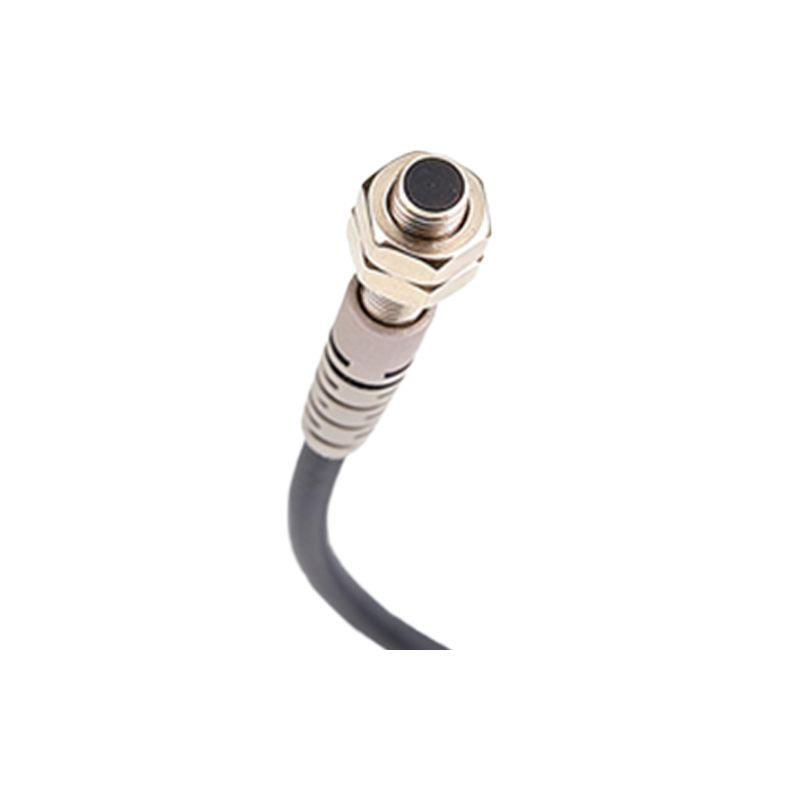
Primary Purchasing Channels: Distributors and Catalogs
The most direct and reliable channel for purchasing industrial-grade photoelectric sensors for lighting is through authorized distributors of major automation and electrical component manufacturers. Companies like Siemens, Schneider Electric, Omron, Sick, and Banner Engineering have extensive global networks of technical distributors. These distributors maintain stock, provide datasheets, and often offer technical support for system integration. Purchasing through them guarantees genuine parts, warranty coverage, and access to the latest product versions. Additionally, large electrical wholesalers like Rexel, Graybar, or WESCO in North America, or Sonepar globally, carry a range of sensor brands tailored for the electrical and lighting contractor market, offering both online and in-person sales.
Online Marketplaces and E-Commerce Platforms
For smaller projects, prototyping, or when specific distributor locations are inaccessible, online marketplaces are a convenient alternative. Platforms like Amazon Business, eBay, and specialized industrial sites like Digi-Key, Mouser, and Newark (element14) offer vast inventories of photoelectric sensors. These sites allow for easy comparison of specifications, prices, and customer reviews. Filters can narrow searches by sensing range, output type, and brand. While excellent for accessibility and speed, buyers must verify seller authenticity to avoid counterfeit components, especially for critical installations. Always check for the manufacturer's authorization status of the seller when possible.
Direct from Lighting Control System Manufacturers
Many lighting control system integrators and fixture manufacturers offer proprietary or compatible photoelectric sensors as part of their product ecosystem. Companies such as Lutron, Crestron, Philips Hue (Signify), and Acuity Brands often sell sensors directly or through their certified lighting partners. This route ensures seamless compatibility with their controllers, dimmers, and smart lighting systems. Purchasing a sensor designed for a specific lighting control protocol, like Lutron's Clear Connect or a standard DALI-2 device, simplifies installation and programming. It is advisable to consult the system's technical documentation or contact the manufacturer's application engineering team for the recommended sensor model.
Considerations for Bulk and OEM Procurement
For large-scale projects, facility management companies, or Original Equipment Manufacturers (OEMs) integrating sensors into their lighting products, bulk procurement is the norm. In these cases, engaging directly with the sensor manufacturer's sales team is essential. They can provide volume pricing, customized sensor configurations (like specific lens optics or housing colors), and detailed technical collaboration. Long-term supply agreements and just-in-time delivery schedules can be negotiated. For global projects, manufacturers can advise on regional compliance standards (e.g., UL, CE, KC marks) and recommend local distribution hubs to reduce logistics costs and lead times.
Evaluating Supplier Reliability and Support
Regardless of the purchase channel, evaluating the supplier's reliability is critical. Key factors include inventory availability to prevent project delays, the quality of pre-sales technical support for product selection, and post-sales warranty service. A reputable supplier should provide access to CAD drawings, wiring diagrams, and installation guides. For complex lighting automation projects, suppliers that offer system design assistance add tremendous value. Checking industry forums, customer testimonials, and the supplier's longevity in the market can offer insights into their reputation. Ultimately, the goal is to source a sensor that performs reliably for years within the lighting system's operational environment.