Understanding Proximity Sensor Types and Their Impact on Price
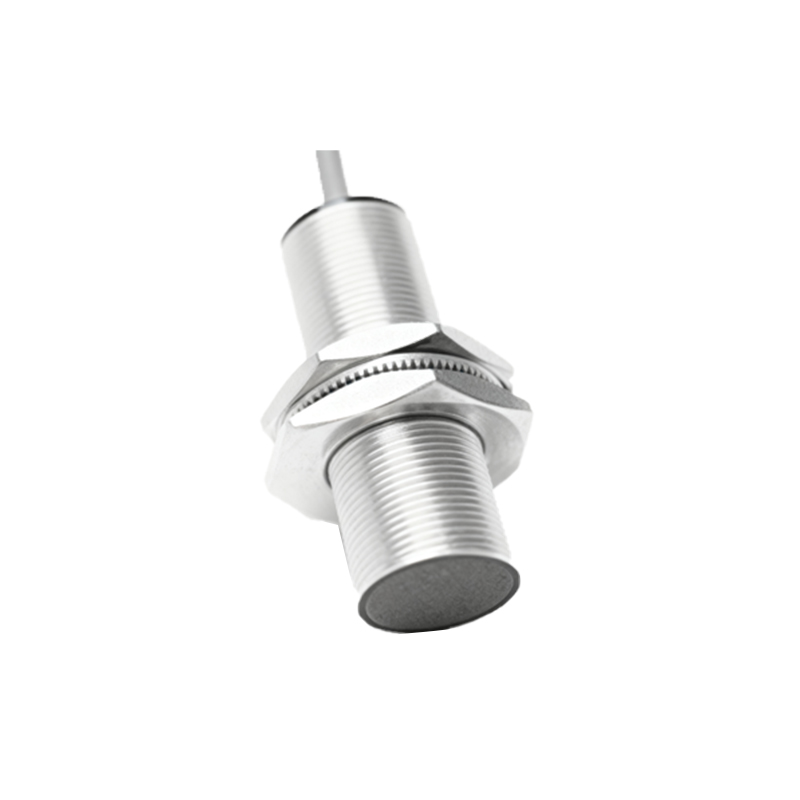
The cost of a proximity sensor is not a single figure but a spectrum heavily influenced by its underlying technology. The primary types include inductive, capacitive, ultrasonic, and photoelectric sensors. Inductive sensors, used for detecting metallic objects, are generally the most cost-effective for standard industrial applications, with prices starting as low as $20 for basic tubular models. Capacitive sensors, capable of detecting both metallic and non-metallic materials, tend to be slightly more expensive, often ranging from $30 to $150, depending on sensitivity and housing. Ultrasonic sensors, offering longer ranges and material-independent detection, occupy a mid-to-high price bracket, typically between $50 and $400. Photoelectric sensors, with their versatile beam types (diffuse, retro-reflective, through-beam), show the widest price range, from around $40 for simple diffuse models to over $500 for specialized, long-range, or high-precision versions. The sensing technology directly dictates the component cost, complexity, and thus, the final price.
Key Specifications That Drive the Final Cost
Beyond the core type, several technical specifications critically affect the price. Sensing range is a primary factor; a standard 5mm inductive sensor is inexpensive, while one with a 40mm range can cost three to four times more. The housing material also plays a role: plastic housings are economical, whereas stainless-steel or brass housings for harsh environments (washdown, chemical exposure) add a premium. Output configuration (PNP vs. NPN, analog vs. digital, IO-Link) influences cost, with analog and smart sensors (IO-Link) commanding higher prices due to added circuitry. Environmental ratings are crucial; an IP67-rated sensor costs more than an IP65 version, and sensors certified for explosion-proof (ATEX, IECEx) applications can see prices multiply significantly, often exceeding $1000 per unit. Finally, brand reputation and reliability data from manufacturers like Sick, Pepperl+Fuchs, Omron, or Balluff contribute to a higher price point compared to generic alternatives.
Price Breakdown: From Economy to High-Performance
A practical price breakdown helps in budget planning. For basic automation tasks, economy-grade inductive and diffuse photoelectric sensors are available from $20 to $60. These are suitable for non-critical applications with standard environmental conditions. The mid-range segment ($60 - $250) encompasses most industrial-grade sensors. This includes capacitive sensors, ultrasonic sensors, and more robust photoelectric sensors with better range, precision, and connectivity options like IO-Link. The high-performance tier ($250 - $1000+) includes specialized sensors: long-range ultrasonic or photoelectric sensors (up to 10m+), high-speed models for fast-moving objects, extremely precise analog sensors for positioning, and all sensors designed for hazardous areas. It's vital to match the sensor's capability to the application's actual demands to avoid over- or under-spending.
The Hidden Costs: Installation, Integration, and Lifecycle
The purchase price of the sensor unit is only part of the total cost of ownership. Engineers must consider integration and lifecycle expenses. Cabling and connectors can add $10 to $50 per sensor. The engineering time required for mounting, alignment, and wiring, especially for complex photoelectric or ultrasonic setups, is a significant labor cost. Integration with a PLC or control system may require additional modules or software configuration time. Furthermore, lifecycle costs include maintenance, potential downtime due to failure, and replacement. A higher-quality, more expensive sensor from a reputable brand often offers a lower total lifecycle cost due to higher Mean Time Between Failures (MTBF), better technical support, and easier replacement, justifying the initial investment.
Procurement Strategies: Getting the Best Value
To optimize spending, adopt strategic procurement practices. For large-volume OEM applications or plant-wide standardization, negotiating directly with manufacturers or authorized distributors for volume discounts is highly effective. Consider using online industrial marketplaces for comparing prices across multiple suppliers for small-quantity orders. However, ensure the supplier is authorized to avoid counterfeit products. Evaluating total cost of ownership rather than just unit price leads to better long-term decisions. Sometimes, a slightly more expensive sensor with the exact required specifications is more cost-effective than adapting a cheaper, less suitable one. Finally, for non-critical applications, reputable generic or "value-line" brands from major manufacturers can offer substantial savings without a significant compromise on core reliability.