Understanding the Critical Role of Fasteners in Sensor Mounting
The reliability and precision of a photoelectric sensor system depend not only on the quality of the optical components and electronics but also on the seemingly mundane hardware that holds it all together. Screws, often an afterthought, are fundamental to ensuring the sensor maintains its precise alignment, withstands environmental stresses, and provides consistent, long-term performance. A poorly chosen or improperly installed fastener can lead to sensor misalignment, vibration-induced failure, or damage to the sensor housing, resulting in costly downtime and inaccurate readings. This guide delves into the specifics of selecting and installing the correct screws for photoelectric sensor applications, bridging the gap between optical theory and mechanical practicality.
Key Material Considerations for Screw Selection
Material compatibility is paramount. The screw material must be chosen based on the sensor housing material and the operating environment to prevent galvanic corrosion, ensure sufficient strength, and maintain thread integrity. For aluminum sensor housings, stainless steel screws (such as A2/AISI 304 or A4/AISI 316 for corrosive environments) are a standard choice, though attention must be paid to the potential for galling. Using an anti-seize compound is often recommended. For plastic sensor housings, screws made from stainless steel or, in some cases, brass are preferred to avoid stripping the threads. In high-vibration environments, considering screws with prevailing torque features (like nylon patches) or using thread-locking adhesives is crucial to prevent loosening over time.
Thread Type, Size, and Pitch Specifications
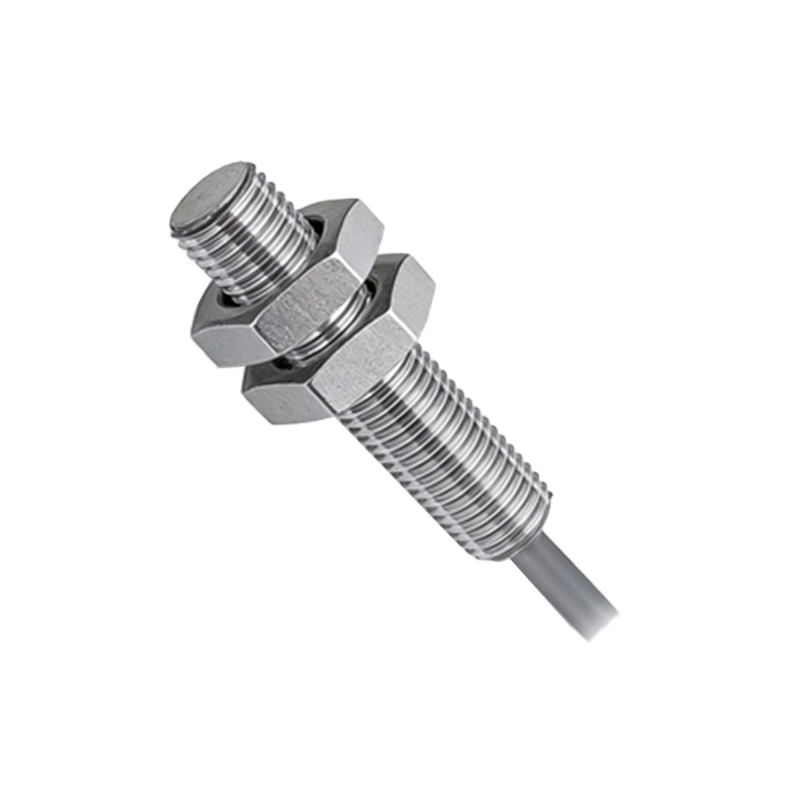
Adhering to the manufacturer's specifications is non-negotiable. Photoelectric sensors typically use metric (M) thread sizes. Common sizes include M3, M4, M5, and M6. The thread pitch (the distance between threads) must match precisely; using an incorrect pitch can damage the sensor's mounting threads. The length of the screw is equally critical. It must be long enough to engage sufficiently with the threaded hole in the sensor or mounting bracket—typically, an engagement length of 1.5 to 2 times the screw diameter is a good rule of thumb—but not so long that it protrudes and interferes with internal components or the optical path.
Head Style and Drive Type for Optimal Installation
The choice of screw head impacts both installation tool access and the clamping force distribution. Pan head or button head screws are common as they provide a low-profile finish. Socket head cap screws (Allen drive) offer excellent torque transfer and are suitable for tight spaces, making them a frequent choice for precision equipment. For applications requiring frequent adjustment or access, a knurled head thumb screw might be used. The drive type (Phillips, Pozidriv, Torx, Hex) should be selected based on the required torque and the need to minimize cam-out (slippage). Torx drives are increasingly popular in industrial settings for their superior torque transmission and reduced risk of tool slippage and damage.
Installation Torque and Best Practices
Applying the correct installation torque is perhaps the most critical step. Under-torquing can lead to loosening, while over-torquing can strip threads, crack sensor housings (especially plastic), or induce stress that affects sensor performance. Always refer to the sensor's datasheet for the manufacturer's recommended torque value, usually given in Newton-meters (Nm) or inch-pounds (in-lb). Use a calibrated torque wrench or a torque-limiting screwdriver for critical installations. Ensure threads are clean and free of debris. For metal-to-metal connections, consider a drop of medium-strength thread locker if vibration is a concern, but verify compatibility with the sensor materials.
Environmental and Application-Specific Factors
The operating environment dictates additional screw requirements. In washdown or outdoor applications, screws with higher corrosion resistance (e.g., A4 316 stainless steel) are essential. In high-temperature environments, the differential thermal expansion between the screw and the housing material must be considered; high-temperature thread lockers or special alloy screws may be necessary. For sensors in food and pharmaceutical industries, screws might need to comply with specific sanitary standards, featuring easy-clean designs and specific material certifications. Always assess the full lifecycle environment, including temperature cycles, chemical exposure, and mechanical shock.
Maintenance, Inspection, and Replacement Protocols
Screws should be included in regular preventive maintenance schedules. Periodically inspect mounting screws for signs of corrosion, loosening, or physical damage. Re-torque screws as recommended by the sensor manufacturer, especially after the initial installation period where some settling may occur. When replacing screws, never substitute with a different size, material, or grade without thorough engineering review. Using the exact replacement part specified by the sensor manufacturer is always the safest course of action to maintain system integrity and warranty coverage.