Introduction to Photoelectric Sensors
Photoelectric sensors are versatile devices widely used in industrial automation for detecting the presence, absence, or distance of objects. They operate by emitting a light beam—typically infrared, visible, or laser—and measuring changes in the received light intensity. These sensors consist of three main components: an emitter, a receiver, and a signal processing unit. The emitter projects light toward a target, while the receiver captures the reflected or transmitted light. Based on the detection method, photoelectric sensors are categorized into through-beam, retro-reflective, and diffuse-reflective types. Through-beam sensors have separate emitter and receiver units, offering long-range and high-accuracy detection. Retro-reflective sensors use a reflector to bounce light back to the receiver, making them suitable for medium-range applications. Diffuse-reflective sensors rely on light reflected directly from the target, ideal for short-range tasks. Their non-contact nature ensures minimal wear and reliable performance in harsh environments, such as manufacturing lines, packaging systems, and material handling.
Key Principles of Operation
The functionality of photoelectric sensors hinges on light modulation and detection. Emitters often use LEDs or laser diodes to produce modulated light pulses, which reduce interference from ambient light. The receiver, typically a phototransistor or photodiode, converts incoming light into electrical signals. When an object interrupts or reflects the light beam, the sensor's output state changes, triggering actions like activating a relay or sending a signal to a PLC. Advanced models incorporate background suppression or triangulation methods for precise distance measurement, ignoring irrelevant reflections. For example, background suppression sensors use multiple receivers to calculate the angle of reflected light, ensuring only objects within a specific range are detected. This principle enhances accuracy in applications like object counting or level monitoring. Additionally, sensors with polarized filters can distinguish shiny surfaces by reducing false triggers from specular reflections. Understanding these principles is crucial for selecting the right sensor for specific industrial needs.
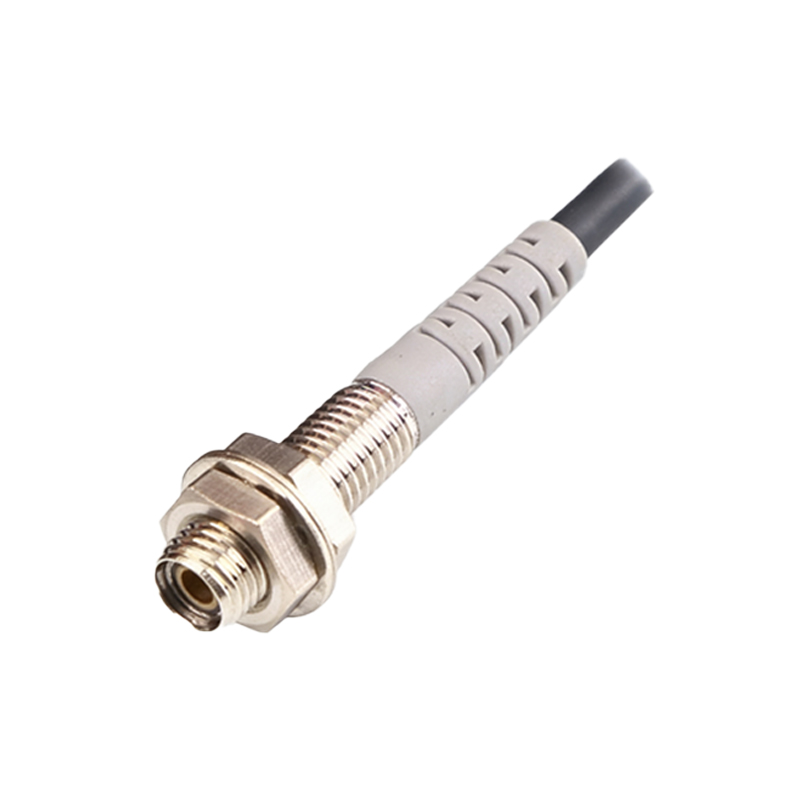
Demonstration Setup and Procedure
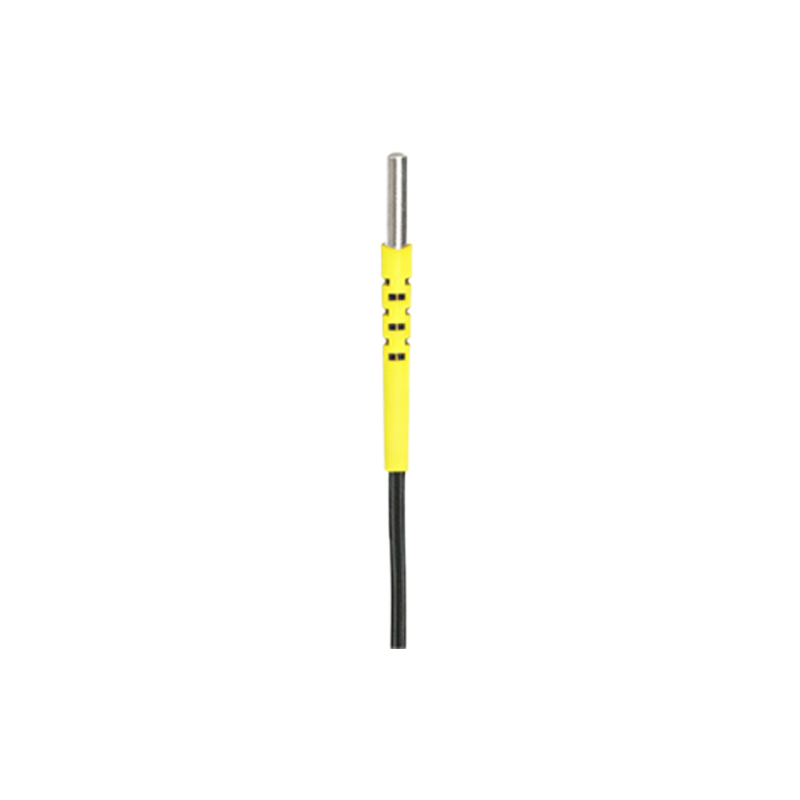
To demonstrate a photoelectric sensor, assemble a basic test rig including a sensor unit, power supply, target objects (e.g., metallic and non-metallic items), and an indicator like an LED or buzzer. Connect the sensor to a 12-24V DC power source, ensuring correct polarity. For a through-beam demonstration, position the emitter and receiver opposite each other, aligning their optical axes. Place an object between them to block the beam, observing the output change via the indicator. In a retro-reflective setup, mount the sensor and reflector facing each other, with the reflector at a recommended distance. Move an object into the beam path to see how the sensor detects interruptions. For diffuse-reflective testing, aim the sensor at a target surface and vary the distance to demonstrate range limitations. Use different materials—such as plastic, glass, and metal—to show how reflectivity affects performance. Document response times and sensing ranges, noting environmental factors like ambient light or dust. This hands-on approach highlights practical considerations for installation and calibration.
Common Applications in Industry
Photoelectric sensors are integral to modern automation systems due to their reliability and flexibility. In conveyor systems, they detect product presence for sorting or counting, ensuring smooth workflow. Packaging machinery uses them to verify label placement or monitor fill levels, reducing waste. Automotive assembly lines employ sensors for part positioning and quality control, such as checking door seals or component alignment. In logistics, sensors facilitate barcode reading and palletizing by accurately identifying objects. They also play a role in safety systems, like light curtains that halt machinery when a worker enters a hazardous zone. For example, retro-reflective sensors can monitor door positions in elevators, while diffuse types detect liquid levels in tanks. Their ability to work with diverse materials—from transparent glass to opaque metals—makes them adaptable across sectors like food processing, pharmaceuticals, and electronics. Regular maintenance, such as lens cleaning and alignment checks, ensures long-term operation.
Advantages and Limitations
Photoelectric sensors offer significant benefits, including non-contact detection, which prevents damage to both sensor and target. They provide fast response times, often in milliseconds, suitable for high-speed applications. With sensing ranges from a few millimeters to over 100 meters, they accommodate varied distances. Additionally, they are resistant to electrical noise and can detect small or transparent objects with proper tuning. However, limitations exist. Environmental factors like fog, dust, or strong ambient light can interfere with performance, requiring protective housings or filters. Shiny or dark surfaces may cause inaccurate readings, necessitating sensor adjustments or specialized models. Through-beam sensors need precise alignment, which can be challenging in vibrating environments. Cost may also be higher compared to mechanical switches, though their durability often justifies investment. By weighing these pros and cons, engineers can optimize sensor selection for specific tasks, enhancing system efficiency.
Future Trends and Innovations
The evolution of photoelectric sensors focuses on miniaturization, smart features, and integration with Industry 4.0. Newer models incorporate IoT capabilities, enabling real-time data transmission to cloud platforms for predictive maintenance. Advanced sensors with embedded processors offer self-diagnosis, adjusting parameters automatically to compensate for environmental changes. Innovations in light sources, such as blue LED technology, improve detection of challenging materials like red or orange objects. Laser-based sensors are becoming more affordable, providing higher precision for robotics and metrology. Additionally, hybrid sensors combine photoelectric principles with other technologies, like ultrasonic or capacitive sensing, for multi-functional detection. As industries embrace automation, demand grows for sensors that are energy-efficient, easy to install, and compatible with digital networks. Staying updated on these trends helps professionals leverage photoelectric sensors for smarter, more resilient operations.