Introduction to Photoelectric Sensor Nomenclature
In the realm of industrial automation and control systems, photoelectric sensors are indispensable components. However, the terminology used to describe these devices can vary significantly across different regions, technical documents, and among professionals. This diversity in naming often stems from the sensor's operating principle, physical design, application, or even marketing preferences. A clear understanding of these various terms is crucial for engineers, technicians, and procurement specialists to ensure accurate specification, seamless integration, and effective troubleshooting. This guide aims to demystify the common and technical names associated with photoelectric sensors, providing a standardized reference for industry practice.
Names Based on Operating Principle
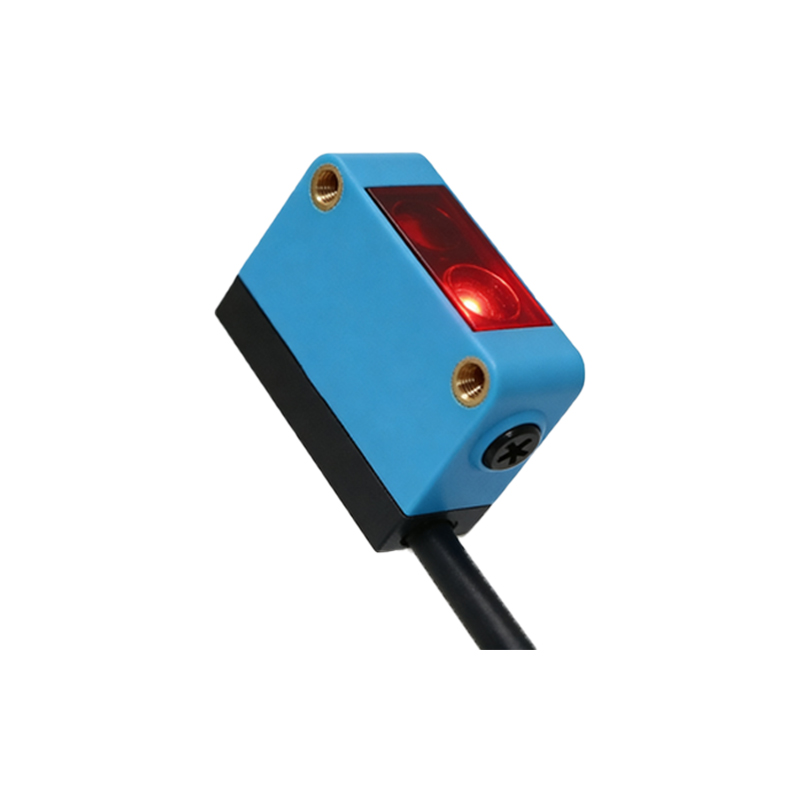
The most fundamental classification and naming of photoelectric sensors arise from their core method of operation. The primary categories here are Through-Beam Sensors, Retroreflective Sensors, and Diffuse Reflective Sensors. Through-Beam sensors, often called opposed-mode or beam-break sensors, consist of separate emitter and receiver units. The object is detected when it interrupts the light beam traveling from the emitter to the receiver. Retroreflective Sensors, also known as reflex sensors, utilize a single housing containing both emitter and receiver, along with a reflector. Detection occurs when the emitted light beam is reflected back to the receiver by the reflector, and an object breaks this beam. Diffuse Reflective Sensors, frequently called proximity-mode or diffuse sensors, also have a combined emitter and receiver. They detect an object by measuring the light reflected directly off the object's surface back to the receiver.
Names Derived from Sensing Modes and Technology
Beyond the basic principles, more specific terms describe the sensing mode or technological enhancement. Background Suppression Sensors, or BGS sensors, are a sophisticated type of diffuse sensor that can detect an object within a precise, defined range while ignoring objects or surfaces beyond that set distance. This is also referred to as fixed-field or foreground sensing. Contrast Sensors are designed to detect differences in color, contrast, or luminescence between a target and its background. They are essential in packaging and labeling applications. Luminescence Sensors detect the presence of materials that glow under UV light. Furthermore, terms like Polarized Retroreflective Sensor indicate the use of a polarization filter to reject false reflections from shiny objects, ensuring reliable detection.
Terminology Related to Light Source and Output
The type of light source used is another common differentiator in sensor naming. LED-based sensors are the industry standard, but they are further specified as Red Light Sensors, Infrared Sensors (IR), or Laser Sensors. Red LED sensors are versatile and common. Infrared sensors offer better immunity to ambient light and are used for longer ranges or in dusty environments. Laser sensors provide a very precise, focused beam for high-accuracy detection of small objects or exact positioning. Regarding output, sensors are often described by their switching logic: Light-On or Dark-On. A Light-On sensor (also called normally open) activates its output when the light beam is received. A Dark-On sensor (normally closed) activates its output when the light beam is blocked.
Application-Specific and Colloquial Terms
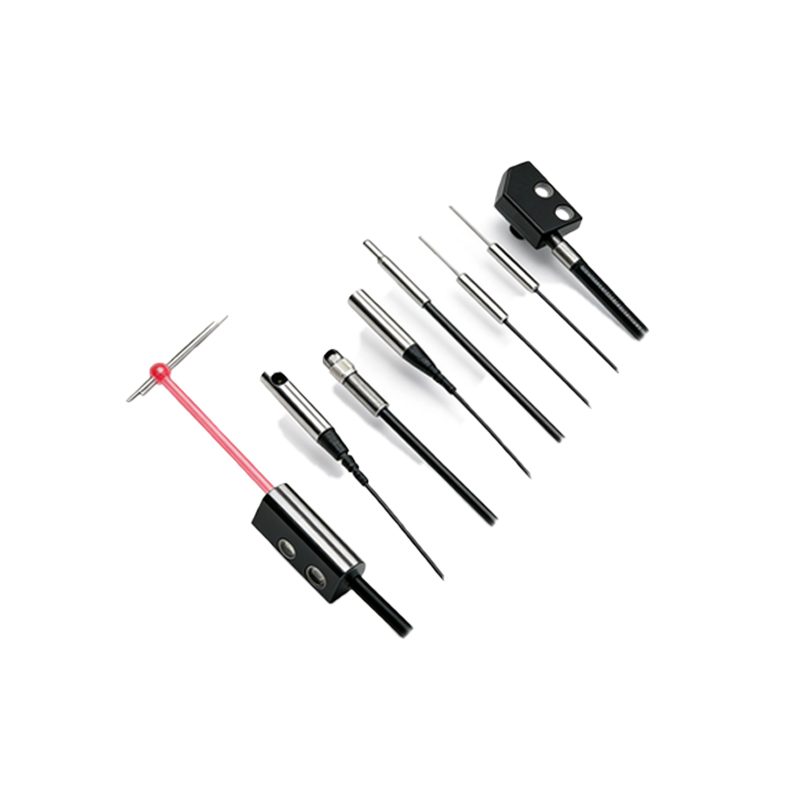
In various industrial settings, photoelectric sensors acquire names based on their specific application or physical form. Fork Sensors or Slot Sensors describe a U-shaped through-beam sensor where the emitter and receiver are built into opposite arms of a "fork," creating a precise detection window for objects like PCBs or wafers. Fiber Optic Sensors are not sensors themselves but use fiber optic cables to guide light to and from a remote amplifier unit, allowing sensing in tight, hot, or hazardous spaces. The amplifier unit is often called a Fiber Optic Amplifier. Colloquially, technicians might simply refer to them as "Photo Eyes," "Opto Sensors," "Light Sensors," or "Beam Sensors." In safety applications, they form part of a Safety Light Curtain or Area Scanner system.
Conclusion and Best Practices for Communication
Navigating the multitude of names for photoelectric sensors requires a systematic approach. For precise technical communication, it is best to use the combination of terms that describe the operating principle (e.g., Through-Beam), the light source (e.g., Infrared Laser), and any key feature (e.g., Background Suppression). Always refer to manufacturer datasheets for the exact model nomenclature. Understanding that a "Polarized Retroreflective Sensor" and a "Reflex Sensor with Polarization Filter" describe the same device prevents confusion during system design and component selection. Mastery of this terminology enhances collaboration across teams and ensures the selection of the optimal sensor for any industrial automation challenge, leading to more robust and efficient systems.