Introduction to High Temperature Proximity Sensors
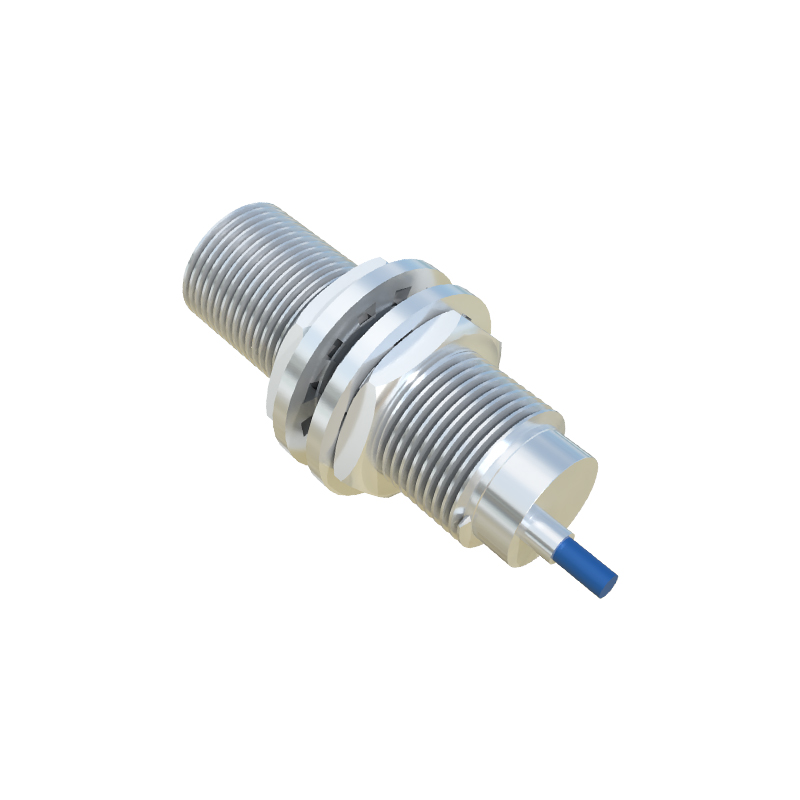
In demanding industrial environments where machinery operates under extreme thermal stress, standard proximity sensors often fail. High temperature proximity sensors are specifically engineered to withstand these harsh conditions, reliably detecting the presence or absence of objects in areas with ambient temperatures that can exceed 200°C (392°F) or even higher. These specialized sensors are critical in industries such as metal processing, glass manufacturing, automotive foundries, and aerospace component production. Their robust construction typically involves high-grade stainless steel housings, specialized seals, and temperature-resistant cabling to ensure operational integrity and longevity. The core sensing technologies, including inductive, capacitive, and magnetic principles, are adapted using components rated for continuous high-temperature exposure.
Key Selection Criteria for Suppliers
Choosing the right supplier for high temperature proximity sensors goes beyond just product specifications. Key criteria include the supplier's proven experience in high-temperature applications, the depth of their product portfolio, and their ability to provide custom solutions. Technical support and engineering expertise are paramount, as installation in extreme environments often requires specific guidance. Additionally, consider the supplier's global certification standards, such as ATEX or IECEx for hazardous areas, and their commitment to quality control and testing protocols. Lead times, supply chain reliability, and after-sales service, including availability of spare parts, are also crucial factors for minimizing downtime in critical industrial processes.
Leading Global Suppliers and Their Offerings
Several established global suppliers dominate the market for industrial-grade high temperature proximity sensors. Companies like Balluff offer a range of inductive sensors with temperature ratings up to 250°C, featuring robust housings and advanced diagnostics. Pepperl+Fuchs is renowned for its expertise in hazardous locations and provides sensors designed for extreme temperatures in metal and glass industries. ifm electronic supplies a comprehensive line of inductive sensors capable of withstanding high ambient and process temperatures, known for their durability and IO-Link communication capabilities. SICK AG provides high-temperature variants in their sensor families, often used in automotive welding and forging applications. Turck offers sensors with high-temperature ratings and a variety of housing styles and connection options for flexible integration.
Specialized and Niche Market Providers
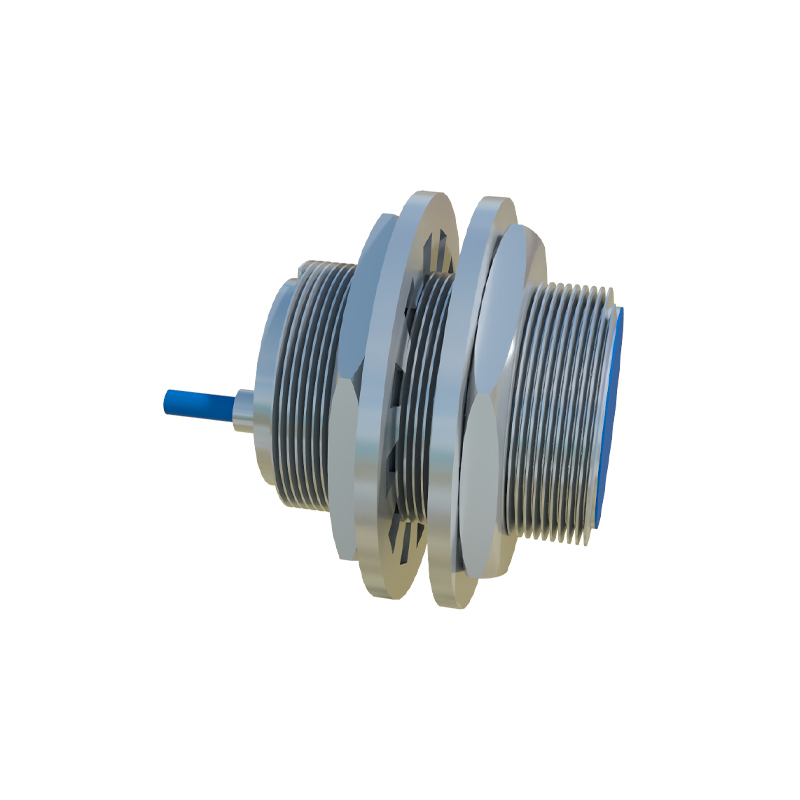
Beyond the major industrial automation suppliers, several specialized manufacturers focus on ultra-high-temperature or unique application needs. Companies like Micro-Epsilon specialize in non-contact measurement and offer specialized sensors for very high-temperature environments in research and development. MTS Sensors provides magnetostrictive position sensors with high-temperature capabilities for hydraulic cylinders in hot presses. For applications in semiconductor manufacturing or vacuum furnaces, suppliers like Keyence offer specialized fiber-optic sensors and amplifiers that can isolate the sensitive electronics from the extreme heat. These niche providers often excel in delivering highly customized solutions for specific technical challenges.
Technological Innovations and Material Science
Innovation in this field is heavily driven by advancements in materials and electronics. Suppliers are increasingly integrating ceramic sensing faces and PEEK (Polyether Ether Ketone) components to replace traditional plastics, significantly boosting thermal resistance. The development of high-temperature-rated ASICs (Application-Specific Integrated Circuits) allows electronics to be placed closer to the sensing point. Furthermore, the integration of wireless communication and Industrial IoT (IIoT) capabilities into high-temperature sensor designs is a growing trend. This enables predictive maintenance by monitoring not just the target object but also the sensor's own health parameters, such as internal temperature drift, in real-time.
Installation and Maintenance Best Practices
Even the best sensor from a top supplier can fail if installed incorrectly. Proper installation is critical for high-temperature applications. This includes ensuring adequate thermal isolation between the sensor body and the mounting surface using spacers or brackets, selecting the correct high-temperature cable gland and cable type (often silicone or fiberglass insulated), and allowing for thermal expansion in mounting hardware. Regular maintenance should involve visual inspections for cracks or degradation in seals and cables, and functional checks to calibrate for any potential signal drift caused by prolonged heat exposure. Suppliers with strong application engineering support are invaluable for this phase.
Future Trends and Market Outlook
The market for high temperature proximity sensors is expected to grow in tandem with automation in heavy industries and the push for higher efficiency. Future trends point toward sensors with even higher temperature thresholds, approaching 300°C and beyond, enabled by new semiconductor materials like silicon carbide (SiC). Miniaturization will also be a focus, allowing sensors to fit into tighter spaces within hot machinery. Furthermore, the convergence of sensing and condition monitoring through embedded intelligence will become standard, offering users deeper insights into their process health and enabling true Industry 4.0 connectivity in the most challenging plant environments.
SEO关键词