Introduction to Photoelectric Sensors in Automotive Systems
Photoelectric sensors are pivotal components in modern automotive electronics, particularly in vehicles like the Nissan Bluebird. These devices operate by emitting a light beam—typically infrared, visible, or laser—and detecting changes in the received light intensity. In the Bluebird, they are integral to systems ranging from automatic headlight control to rain-sensing wipers and proximity detection. Their non-contact nature ensures minimal wear and high reliability, which is crucial for the vehicle's longevity and safety. The fundamental principle involves a transmitter and a receiver; when an object interrupts or reflects the light beam, the sensor triggers an electrical signal to activate specific functions. This technology enhances driver convenience and safety by automating responses to environmental conditions, making it a cornerstone of the Bluebird's advanced electronic architecture.
Key Types of Photoelectric Sensors in the Nissan Bluebird
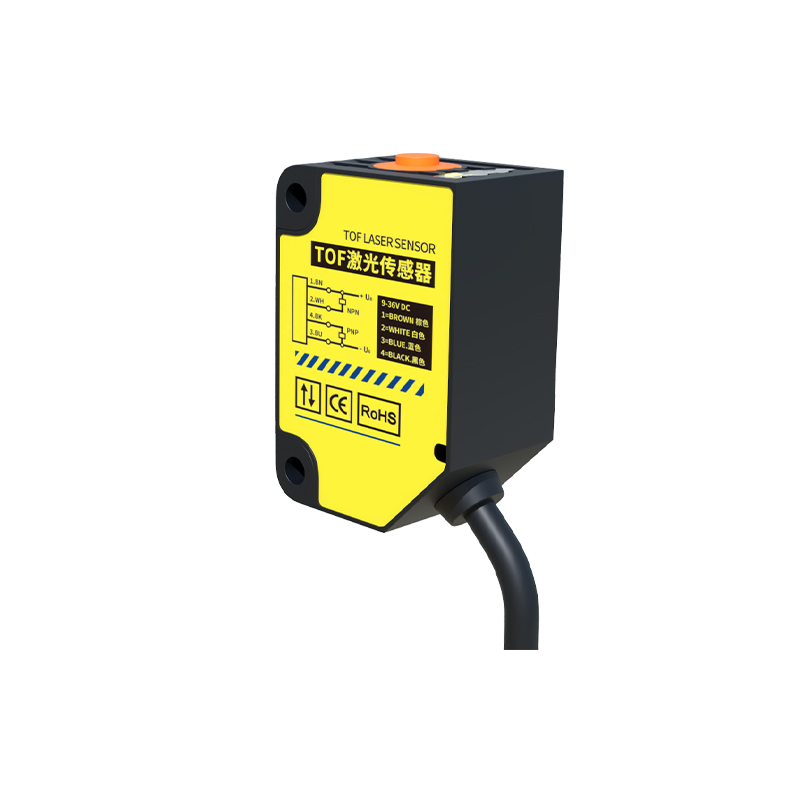
The Nissan Bluebird utilizes several photoelectric sensor types, each tailored for distinct applications. Diffuse reflective sensors are commonly employed for interior cabin features, such as detecting occupancy for airbag deployment or automatic climate control adjustments. Through-beam sensors, with separate transmitter and receiver units, are often used in exterior applications like automatic headlight activation, where they monitor ambient light levels to switch between high and low beams. Retro-reflective sensors, which rely on a reflector to bounce light back, can be found in parking assist systems to detect obstacles. Additionally, the Bluebird may incorporate fiber-optic photoelectric sensors for engine management, monitoring parameters like crankshaft position or fluid levels with high precision. Each type is selected based on factors such as detection range, environmental resistance, and response speed, ensuring optimal performance across the vehicle's diverse operational scenarios.
Installation and Calibration Procedures
Proper installation and calibration are critical for the effective functioning of photoelectric sensors in the Nissan Bluebird. During installation, technicians must ensure sensors are mounted securely and aligned correctly to avoid false triggers or missed detections. For example, in automatic headlight systems, the sensor should be positioned on the dashboard to have an unobstructed view of the sky, free from shadows or glare. Calibration involves adjusting sensitivity thresholds using diagnostic tools, such as Nissan's Consult-III system, to match specific driving conditions. This process may include setting delay times to prevent rapid cycling in fluctuating light or rain. Regular maintenance checks are recommended to clean lens surfaces from dirt or debris, which can impair accuracy. Following manufacturer guidelines from Nissan's service manuals ensures sensors operate within specified tolerances, maintaining system integrity and compliance with safety standards.
Common Issues and Troubleshooting Techniques
Despite their reliability, photoelectric sensors in the Nissan Bluebird can encounter issues that affect performance. Common problems include sensor misalignment due to vibration or impact, leading to erratic behavior like headlights flickering or wipers activating unnecessarily. Contamination from dust, water, or oil on the lens can also reduce sensitivity, causing failures in automatic functions. Electrical faults, such as wiring shorts or connector corrosion, may result in complete sensor failure. To troubleshoot, technicians should first perform visual inspections for physical damage or dirt, cleaning lenses with a soft cloth if needed. Using a multimeter, they can test voltage supply and signal output against specifications in the Bluebird's wiring diagrams. Diagnostic scans with OBD-II tools can identify error codes related to sensor circuits, guiding targeted repairs. In cases of persistent issues, replacing the sensor with genuine Nissan parts ensures compatibility and restored functionality.
Advancements and Future Trends in Sensor Technology
The evolution of photoelectric sensors continues to shape the Nissan Bluebird's capabilities, with recent advancements focusing on integration and intelligence. Modern sensors now feature embedded microprocessors that enable adaptive learning, allowing systems like automatic wipers to adjust speed based on rainfall intensity over time. The adoption of LiDAR (Light Detection and Ranging) technology enhances autonomous driving features, providing precise 3D mapping for collision avoidance. Additionally, miniaturization and energy-efficient designs reduce power consumption, supporting the Bluebird's shift toward hybrid or electric powertrains. Future trends may include the use of multispectral sensors that detect a wider range of wavelengths for improved environmental awareness, and connectivity via IoT (Internet of Things) for real-time diagnostics and over-the-air updates. These innovations promise to elevate the Bluebird's safety, efficiency, and user experience, keeping it competitive in the automotive market.
Conclusion and Best Practices for Maintenance
In summary, photoelectric sensors are essential to the Nissan Bluebird's electronic systems, offering automation and safety benefits through precise light-based detection. To maximize their lifespan and performance, owners and technicians should adhere to best practices, such as conducting regular inspections during routine service intervals. Avoid using harsh chemicals on sensor lenses, and ensure any aftermarket modifications do not obstruct their field of view. When replacements are necessary, sourcing OEM (Original Equipment Manufacturer) components from authorized Nissan dealers guarantees quality and fit. Staying informed about technical service bulletins can provide updates on known issues or improved sensor versions. By prioritizing proper care and leveraging professional diagnostics, Bluebird drivers can rely on these sensors for consistent, reliable operation, enhancing both vehicle longevity and on-road confidence.