Understanding the Fundamentals of Proximity Sensing
Proximity sensors are indispensable components in modern industrial automation, providing non-contact detection of metallic objects. Their operation hinges on generating an electromagnetic field and detecting changes caused by the presence of a target. When discussing the detection of stainless steel, a material ubiquitous in food processing, pharmaceutical, and chemical industries due to its corrosion resistance, specific challenges and considerations arise. Unlike mild steel, stainless steel is not a single material but a family of iron-based alloys containing a minimum of 10.5% chromium. This composition significantly influences its electrical and magnetic properties, which are the primary factors affecting sensor performance. The sensor's ability to reliably detect stainless steel hinges on understanding these material characteristics and selecting the appropriate sensor technology.
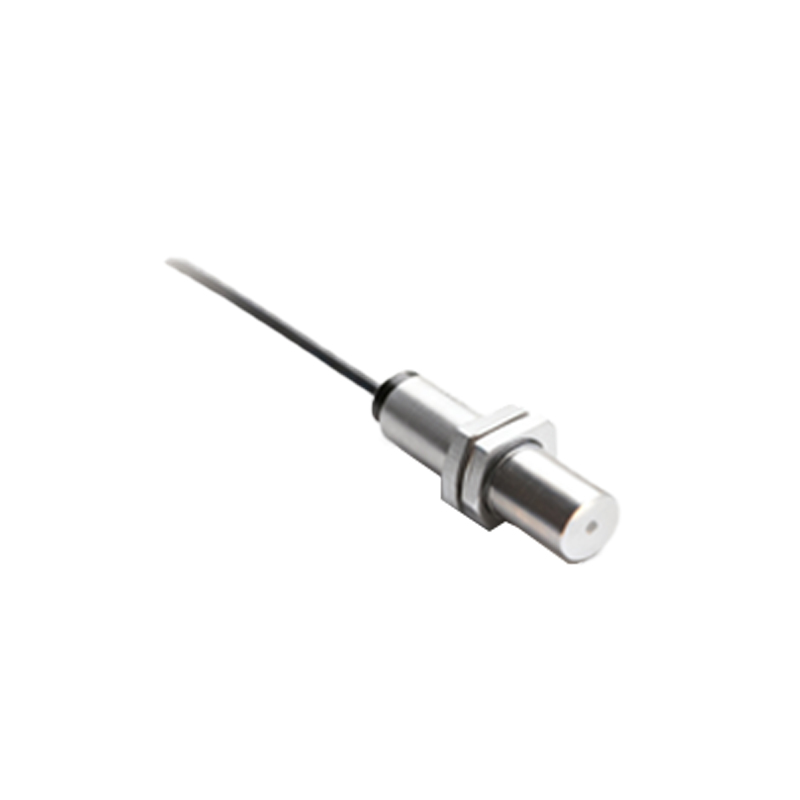
Key Material Properties Affecting Detection
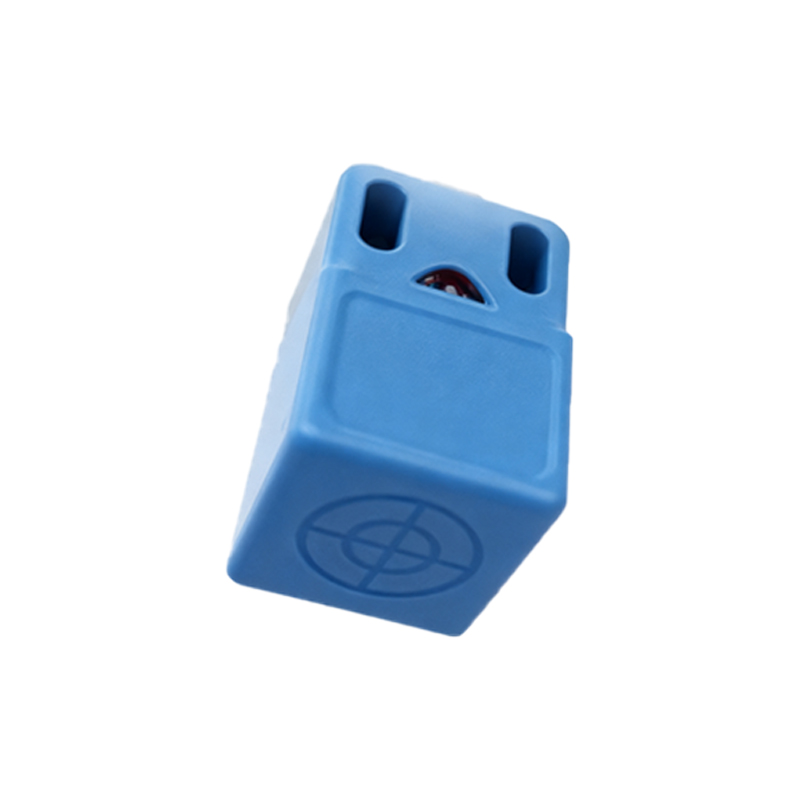
The detectability of stainless steel by inductive proximity sensors is primarily governed by two material properties: electrical conductivity and magnetic permeability. Standard austenitic stainless steels (e.g., 304, 316) are generally non-magnetic or very weakly magnetic in their annealed state. They have lower permeability compared to ferromagnetic materials like mild steel. This results in a reduced sensing distance. The second critical factor is conductivity. While stainless steel is conductive, its conductivity is typically lower than that of copper or aluminum. The combined effect of lower permeability and moderate conductivity means that the eddy currents induced in a stainless steel target are different from those in a mild steel target. Consequently, the rated sensing distance (Sn) specified for mild steel must be derated when applied to stainless steel. This derating factor, often provided by sensor manufacturers, is crucial for correct application.
Sensor Technology Selection: Inductive vs. Capacitive
For detecting metallic objects, inductive proximity sensors are the standard choice. However, for non-magnetic austenitic stainless steels, special "non-ferrous metal" or "all-metal" inductive sensors are often required. These sensors operate at higher frequencies, making them more sensitive to the eddy current losses in conductive but low-permeability materials. They offer a much smaller derating factor compared to standard inductive sensors. In contrast, capacitive proximity sensors can detect both metallic and non-metallic materials by sensing changes in capacitance. While they can detect stainless steel, they are also sensitive to moisture, dust, and other environmental factors, which may lead to false triggering in industrial settings. Therefore, for pure stainless steel detection in harsh environments, advanced inductive sensors designed for non-ferrous metals are usually the more robust and reliable solution.
Critical Application Considerations and Best Practices
Successful implementation requires attention to several practical details. First, always refer to the manufacturer's data sheet for the specific derating factor (e.g., 0.5 x Sn, 0.8 x Sn) for the grade of stainless steel being used. The sensing distance can also vary with the target's size, shape, and thickness. As a rule, the target should be at least equal to the sensor's face diameter and have sufficient thickness (typically 1mm or more) to act as a solid target. Mounting is another critical factor; flush-mountable sensors allow installation in metal without affecting the sensing range, while non-flush sensors offer longer ranges but require a non-metallic surrounding area. Environmental factors like temperature extremes, washdowns with caustic chemicals, or welding spatter must be considered, necessitating sensors with appropriate IP (Ingress Protection) and material ratings, such as stainless steel housings or PTFE-faced models.
Overcoming Common Challenges in Detection
Engineers frequently encounter specific challenges when detecting stainless steel. One major issue is the inconsistent magnetic permeability of some austenitic grades, which can change due to cold working or machining, potentially altering the sensing characteristics. Using a sensor with a sufficient safety margin is advised. Another challenge is detecting small or thin stainless steel parts, such as shims or fasteners. Here, a sensor with a higher frequency and a smaller active face may be necessary. For applications involving different metal types, including stainless steel, "factor 1" all-metal sensors that maintain the full rated sensing distance for all metals provide a simplified solution, though often at a higher cost. Finally, in high-speed counting or positioning applications, the sensor's switching frequency must be high enough to handle the required pulse rate without missing counts.
Future Trends and Advanced Solutions
The evolution of proximity sensor technology continues to address the nuances of material detection. Modern sensors incorporate advanced microprocessor-based electronics that allow for teach-in functionality, enabling automatic calibration to the specific target material, including various grades of stainless steel. This simplifies setup and improves accuracy. Furthermore, the integration of IO-Link communication provides digital parameterization,