Introduction to Proximity Sensors and Shielding
Proximity switch sensors are fundamental components in industrial automation, detecting the presence or absence of an object without physical contact. These sensors operate on principles such as inductive, capacitive, or magnetic fields. A common, yet sometimes misunderstood, element in their application is the use of aluminum foil or shielding. This conductive material plays a critical role in ensuring sensor reliability and accuracy in complex electromagnetic environments.
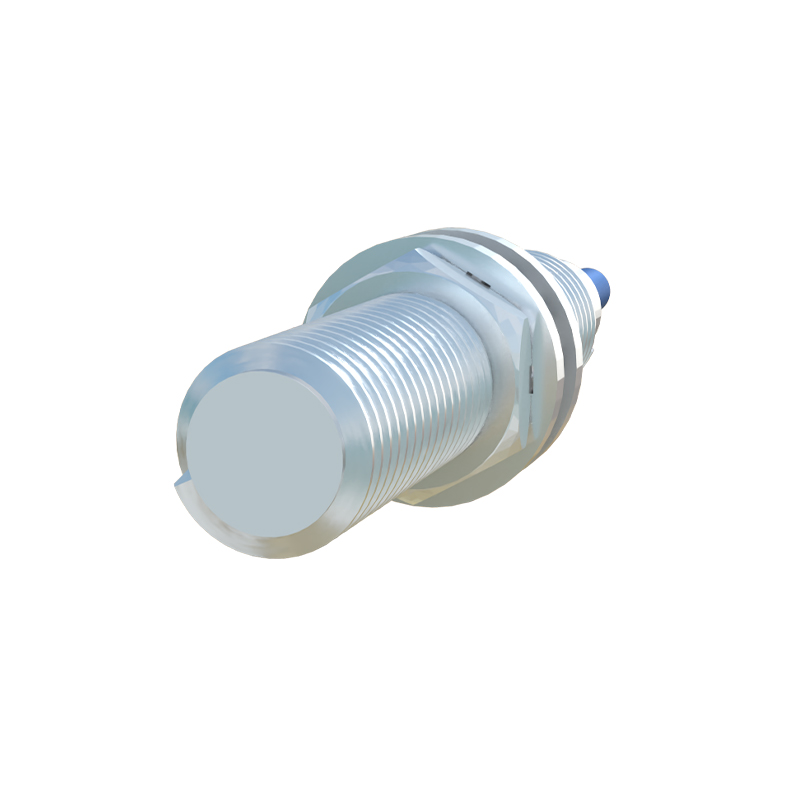
The Core Function: Electromagnetic Shielding
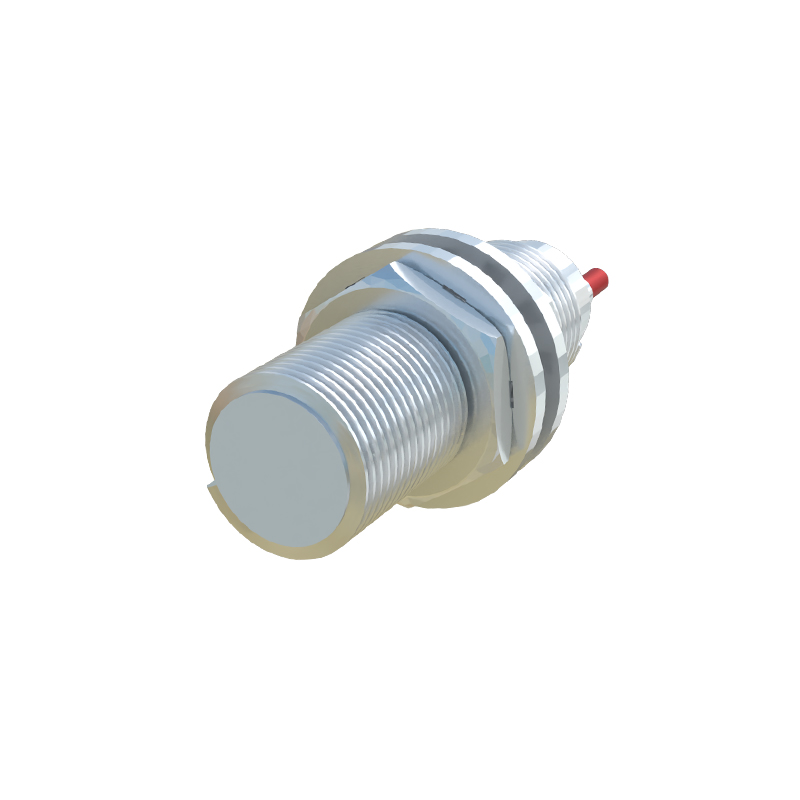
The primary purpose of attaching aluminum foil to a proximity sensor is electromagnetic shielding. Industrial settings are rife with electromagnetic interference (EMI) generated by motors, variable frequency drives (VFDs), welding equipment, and other high-power electrical devices. This EMI can induce stray currents or noise in the sensor's circuitry, leading to false triggering, erratic behavior, or reduced sensing range. Aluminum, being a highly conductive non-ferrous metal, acts as a Faraday cage. It reflects and absorbs these external electromagnetic fields, creating a protected zone for the sensor's sensitive electronics. This ensures the sensor responds only to its intended target.
Mitigating the Effects of Surrounding Metals
For inductive proximity sensors, which detect metallic objects, a significant challenge is "side sensing" or interference from non-target metallic structures in the installation environment, such as machine frames, brackets, or conveyor belts. When mounted close to such structures, the sensor's electromagnetic field can interact with them, potentially causing a false detection or requiring a larger "reset" distance after an object passes. Strategically placed aluminum foil can shield the sides of the sensor from these adjacent metals. By containing the sensor's field to its front-facing sensing area, the foil improves positional accuracy and prevents unwanted actuation.
Enhancing Performance in Capacitive Sensing
While less common than for inductive types, aluminum foil can also be applied to capacitive proximity sensors. These sensors detect objects based on their dielectric constant and can be influenced by moisture, dust, or contamination on the sensor face. A layer of foil, properly insulated from the sensor's active face, can sometimes be used to shape the electric field or protect the sensing element from environmental factors that cause drift or false signals. However, this application requires precise engineering to avoid negatively affecting sensitivity.
Practical Application and Installation Guidelines
The application of aluminum foil is not a universal fix and must be done correctly. The foil must make good electrical contact with the sensor's metal housing or a designated grounding point. An ungrounded or poorly grounded shield can become an antenna, potentially worsening EMI issues. The foil should not cover the active sensing face, as this would block the detection field entirely. Typically, it is wrapped around the sides and back of the sensor barrel. It's also crucial to ensure the foil does not create a short circuit with any electrical terminals. For permanent solutions, manufacturers often offer sensors with integrated metallic shrouds or epoxy-potted electronics designed for high-noise immunity.
Limitations and Material Considerations
It is vital to understand that aluminum is non-ferrous. Therefore, an inductive proximity sensor cannot directly detect a thin piece of aluminum foil as a standard target; the sensing distance for aluminum is significantly shorter than for steel. The foil's function is purely for shielding. For shielding against low-frequency magnetic fields (like from AC power lines), materials with high magnetic permeability like steel or specialized mu-metal are more effective than aluminum, which excels at shielding higher-frequency electric fields and radio frequency interference (RFI).
Conclusion: A Tool for System Optimization
In summary, aluminum foil serves as a practical and effective tool for troubleshooting and optimizing proximity sensor installations. Its key roles are providing electromagnetic shielding against noise and isolating the sensor from interference caused by nearby metallic structures. When applied with proper grounding and without obstructing the sensing face, it can dramatically improve system stability and repeatability. Engineers and technicians should view it as a targeted solution for specific interference problems, not a standard accessory, always prioritizing correct sensor selection, installation, and grounding practices from the outset for robust automation system design.