Introduction to PASSAT Photoelectric Sensors
PASSAT photoelectric sensors represent a cornerstone technology in modern industrial automation, renowned for their reliability and precision. These sensors operate on the fundamental principle of converting light signals into electrical outputs, enabling non-contact detection of objects. The core components typically include an emitter, which projects a light beam (often infrared, visible red, or laser), and a receiver that detects changes in the received light intensity. The disruption or reflection of this beam by an object triggers a switching action. PASSAT sensors are engineered to deliver consistent performance in demanding environments, making them indispensable for tasks ranging from simple object presence detection to complex positioning and counting operations on high-speed production lines. Their robust construction ensures resilience against common industrial challenges such as vibration, ambient light interference, and particulate contamination.
Key Technical Specifications and Variants
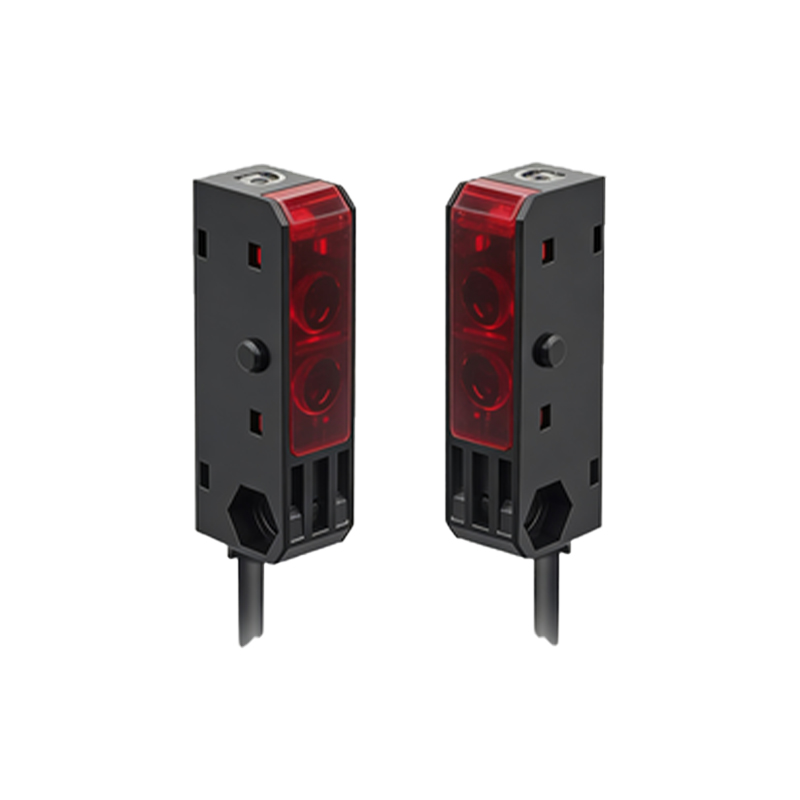
Understanding the technical specifications is crucial for selecting the appropriate PASSAT sensor for a given application. Key parameters include sensing distance, response time, light source type, and output configuration. Models are available in through-beam, retro-reflective, and diffuse-reflective types, each with distinct operational characteristics. Through-beam sensors offer the longest detection ranges and highest reliability, as the emitter and receiver are separate units. Retro-reflective types use a reflector to bounce the beam back, providing a good balance of range and ease of installation. Diffuse-reflective sensors detect objects by measuring the light reflected directly from the target, ideal for close-range applications. Additionally, specifications such as housing material (e.g., metal or plastic), IP rating for ingress protection, and operating voltage range (commonly 10-30V DC) must be carefully evaluated to ensure compatibility with the operational environment.
Installation and Alignment Best Practices
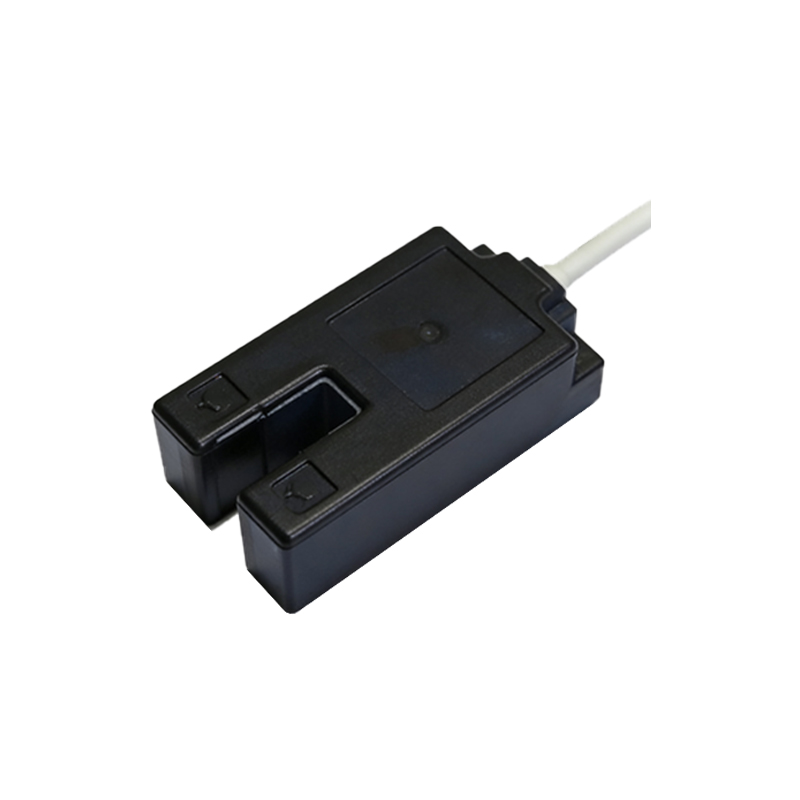
Proper installation and alignment are paramount to achieving optimal performance from PASSAT photoelectric sensors. For through-beam and retro-reflective models, precise alignment between the emitter, receiver, and/or reflector is essential. Misalignment can lead to reduced sensing range, false triggers, or complete failure. It is recommended to use manufacturer-provided alignment tools or indicators, often in the form of LED signals that change state when optimal alignment is achieved. Sensors should be mounted securely to minimize movement due to vibration. Environmental factors must also be considered; for instance, sensors should be positioned to avoid direct exposure to intense ambient light sources and potential obstructions. Regular cleaning of lenses is necessary to prevent buildup of dust or oil that can attenuate the light signal.
Common Applications in Industrial Automation
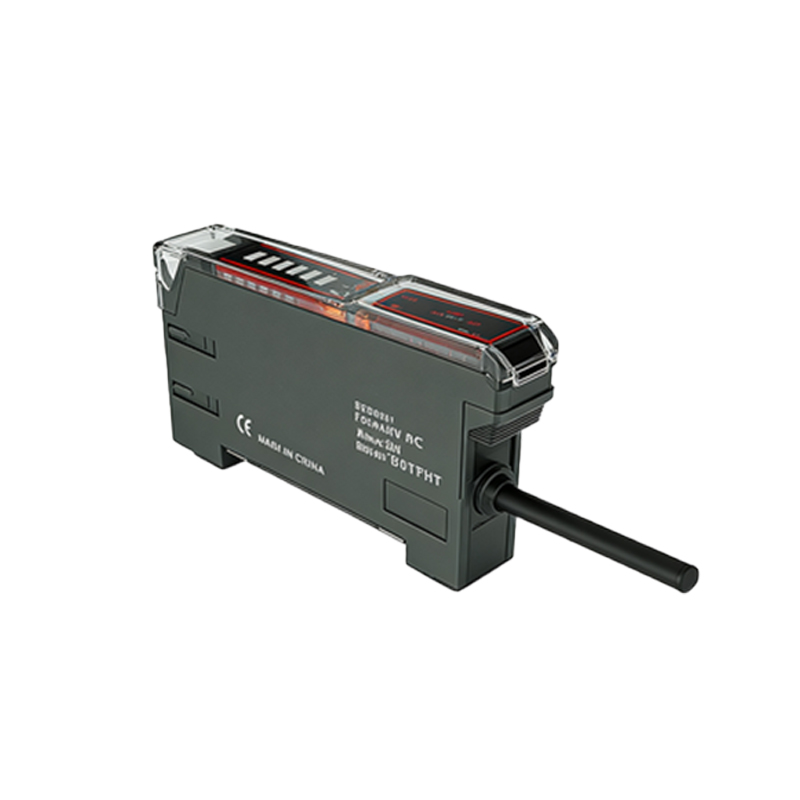
The versatility of PASSAT photoelectric sensors lends them to a vast array of applications across numerous industries. In packaging machinery, they are used for label detection, cap placement verification, and product counting on conveyor belts. Within the automotive manufacturing sector, these sensors ensure precise part positioning for robotic assembly and inspect for the presence of components. They are critical in material handling for detecting pallet positions, monitoring fill levels in containers, and enabling safety light curtains. Furthermore, in the electronics industry, their high precision facilitates PCB board positioning and component insertion checks. The non-contact nature of photoelectric sensing makes it ideal for detecting fragile, hot, or rapidly moving objects where physical contact is undesirable or impossible.
Troubleshooting and Maintenance Guidelines
Even with robust design, occasional issues may arise. Systematic troubleshooting can quickly restore functionality. Common problems include failure to detect objects, intermittent operation, or constant output triggering. The first step is always to verify power supply and wiring connections. Next, check for alignment drift, especially in high-vibration settings. Lens contamination is a frequent culprit; cleaning with a soft, lint-free cloth is advised. Environmental changes, such as new equipment emitting interfering light or the introduction of highly reflective surfaces, can also cause problems. Consulting the sensor's status indicator LEDs is invaluable, as they often provide diagnostic information about power, output state, and signal strength. Preventive maintenance involves periodic checks of alignment, cleanliness, and environmental conditions to ensure long-term, reliable operation.
Future Trends and Advancements
The evolution of PASSAT and similar photoelectric sensors continues to align with broader trends in Industry 4.0 and smart manufacturing. Future advancements are focusing on increased intelligence and connectivity. We are seeing the integration of IO-Link communication, which allows for parameter setting, real-time diagnostics, and process data exchange directly from the sensor to a control system. This enables predictive maintenance and easier integration into digital twin environments. There is also a push towards miniaturization without sacrificing performance or sensing range, allowing sensors to fit into increasingly compact machinery. Enhanced resistance to extreme conditions, such as wider temperature tolerances and improved resistance to chemicals and washdowns, is another key development area, expanding their applicability in food & beverage and pharmaceutical industries.