Introduction to Universal Proximity Sensors
Universal proximity sensors are indispensable components in modern industrial automation, offering non-contact detection of metallic and, in many cases, non-metallic objects. Their versatility across various applications, from packaging and material handling to automotive assembly and robotics, has cemented their status as a critical industrial component. When discussing pricing, it is crucial to distinguish between genuine, original equipment manufacturer (OEM) products and aftermarket or counterfeit alternatives. The cost of a genuine universal proximity sensor is not merely a reflection of its physical components but a composite of research, development, manufacturing precision, quality assurance, and long-term reliability.
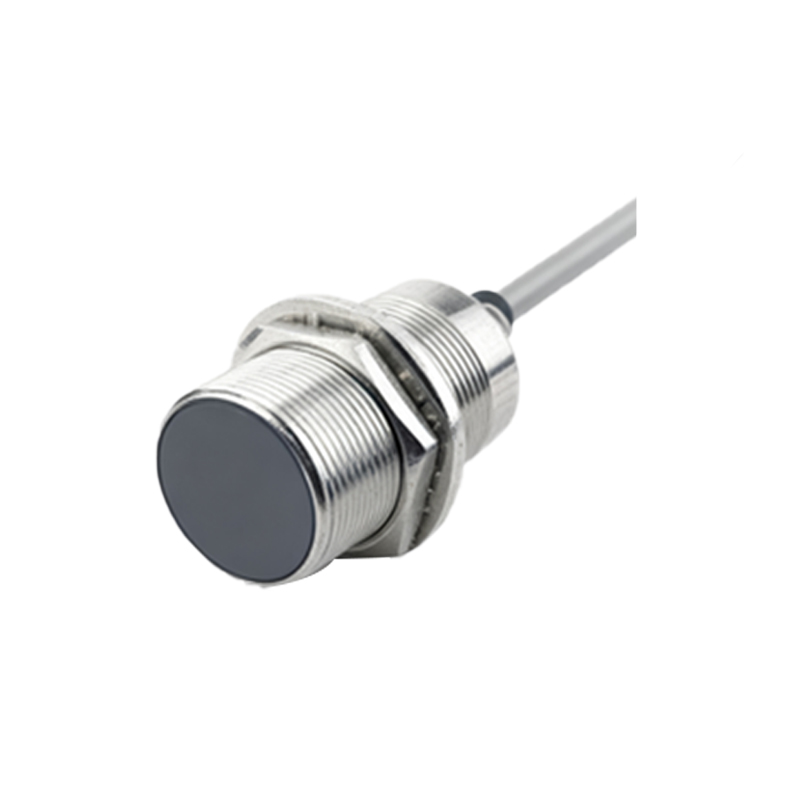
Key Factors Influencing Genuine Sensor Pricing
The price point of an authentic universal proximity sensor is determined by a multifaceted set of engineering and commercial factors. Firstly, the sensing technology itself—whether inductive, capacitive, or ultrasonic—carries different developmental and material costs. Inductive sensors for metal detection are typically the most cost-effective for standard applications, while specialized capacitive or ultrasonic models command a higher price. Secondly, performance specifications such as sensing range, switching frequency, housing material (e.g., stainless steel vs. nickel-plated brass), and ingress protection (IP) rating directly impact cost. A sensor rated for IP67 or IP69K, suitable for harsh washdown environments, involves more complex sealing and robust construction. Thirdly, industry certifications (e.g., UL, CE, ATEX for hazardous areas) add significant value and cost due to rigorous testing and compliance processes.
The Cost of Quality and Reliability
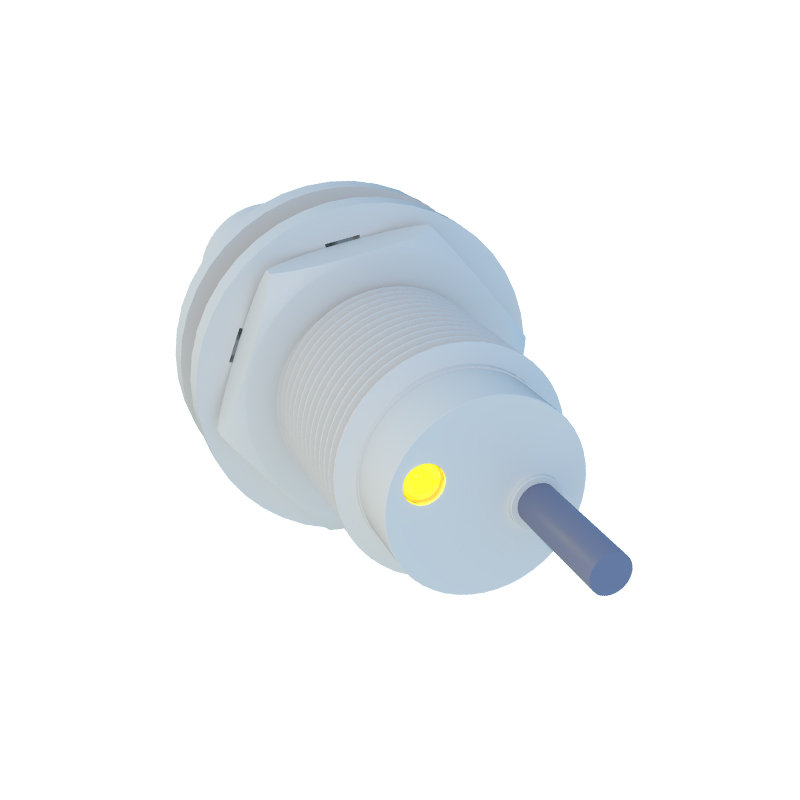
Investing in a genuine OEM sensor is fundamentally an investment in predictable performance and minimized downtime. The price incorporates extensive quality control procedures, including 100% functional testing, environmental stress screening, and longevity validation. Manufacturers use high-grade electronic components, precision-wound coils, and stable oscillator circuits to ensure consistent operation over millions of cycles and across temperature fluctuations. This engineering rigor prevents false triggers, maintains stable sensing distances, and extends product lifespan, thereby reducing the total cost of ownership despite a higher initial purchase price. Counterfeit sensors, while cheap upfront, often fail prematurely, causing costly production stoppages and potential safety hazards.
Price Range and Configuration Variables
The market price for a standard, genuine inductive proximity sensor from a leading OEM like Siemens, Omron, Pepperl+Fuchs, or Balluff can range from approximately $25 to $150 or more per unit. This broad range is attributable to specific configurations. Basic, barrel-style sensors with a 5-10mm range and PVC cable are at the lower end. Prices increase for models with extended sensing ranges (e.g., 15-40mm), built-in amplifiers, analog outputs (4-20mA, 0-10V), or IO-Link digital communication capabilities. Special form factors, such as rectangular or ring sensors, and those with advanced features like weld-field immunity (for robotic welding) or high-temperature tolerance also occupy the premium price segment. Bulk purchasing for OEM integration often attracts significant discounts.
The Impact of Supply Chain and Availability
Global supply chain dynamics profoundly affect the pricing and availability of genuine components. Factors such as raw material costs (copper, semiconductors), logistics, regional tariffs, and market demand create price volatility. During periods of high demand or component shortages, lead times can extend, and prices may rise. Authorized distributors typically maintain stable pricing aligned with manufacturer policies, but availability can fluctuate. Sourcing from unauthorized channels may offer lower prices but carries the high risk of receiving counterfeit, refurbished, or obsolete products misrepresented as new and genuine.
Total Cost of Ownership Analysis
A comprehensive financial assessment for procurement departments must look beyond the unit price. The Total Cost of Ownership (TCO) for genuine sensors includes installation cost, maintenance intervals, mean time between failures (MTBF), and the cost of unplanned downtime. Genuine sensors offer documented MTBF figures often exceeding 100,000 hours, backed by warranties. Their interoperability with control systems and programming software ensures seamless integration. The TCO for a non-genuine sensor can be exponentially higher when factoring in frequent replacements, troubleshooting man-hours, and production losses due to unreliable operation, making the genuine article a more economical choice over the asset's lifecycle.
Conclusion and Procurement Recommendations
The pricing of genuine universal proximity sensors reflects their engineered value, reliability, and the support ecosystem of the manufacturer. While initial cost is a consideration, it should not be the sole deciding factor. Specifiers and buyers are advised to source exclusively from authorized distributors or directly from the manufacturer. Verify product authenticity through serial numbers and holographic labels offered by many OEMs. Request detailed datasheets and ensure the selected model meets all application requirements for