Introduction to Steute Photoelectric Sensors
Steute, a renowned German manufacturer, has established itself as a leader in the field of industrial sensor technology, particularly with its extensive range of photoelectric sensors. These devices are fundamental components in modern automation, providing non-contact detection of objects, positions, and conditions. Steute's photoelectric sensors are engineered for reliability, precision, and durability, making them suitable for demanding environments across various sectors including packaging, material handling, automotive, and food & beverage industries. The core principle involves emitting a light beam—typically infrared, visible red, or laser—and detecting changes in the received light to sense the presence, absence, or distance of an object.
Key Technologies and Operating Principles
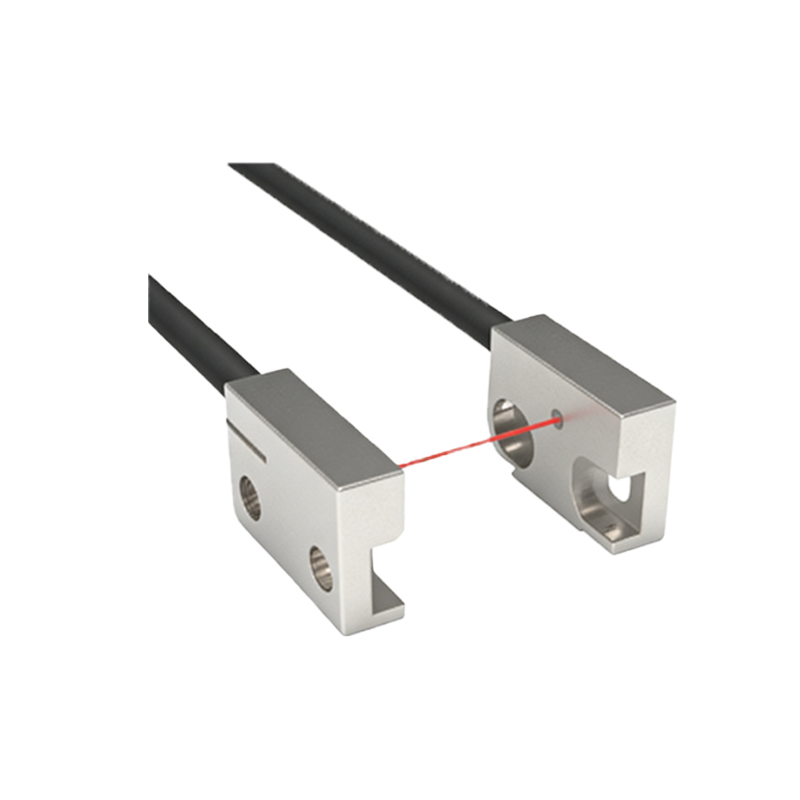
Steute photoelectric sensors utilize several primary operating modes to cater to diverse application needs. The through-beam sensor, consisting of separate transmitter and receiver units, offers the longest sensing ranges and highest reliability, ideal for precise detection tasks. Retro-reflective sensors use a combined transmitter/receiver and a reflector, simplifying installation while maintaining good range. Diffuse reflective sensors, or proximity sensors, detect objects by measuring the light reflected directly from the target, offering a compact, single-unit design. Advanced models incorporate background suppression technology, which allows them to ignore objects beyond a set distance, and fiber optic versions for detecting extremely small objects or operating in high-temperature or space-constrained areas.
Highlighted Model Series and Their Specifications
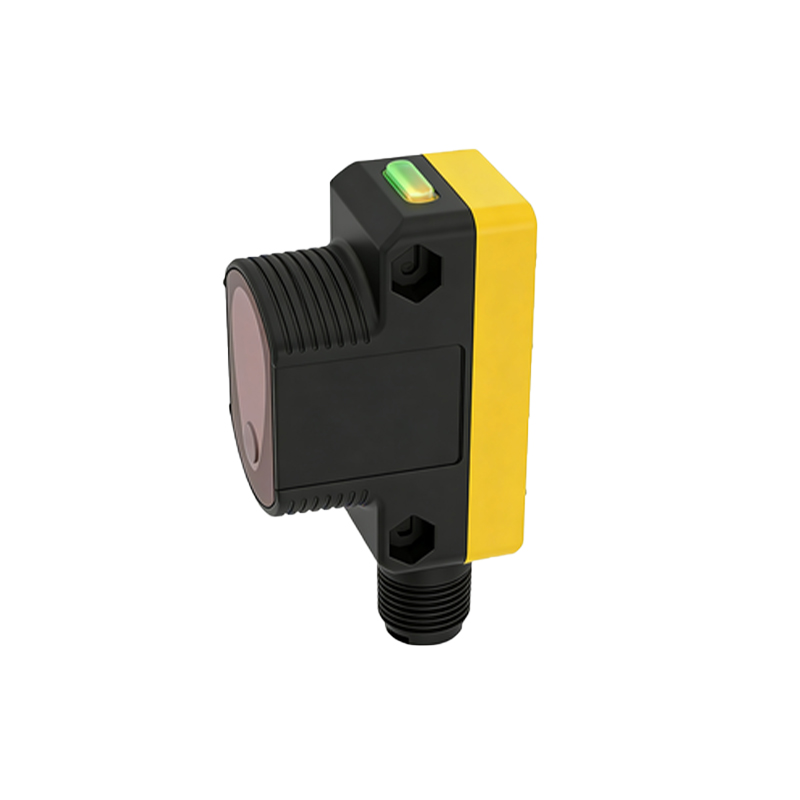
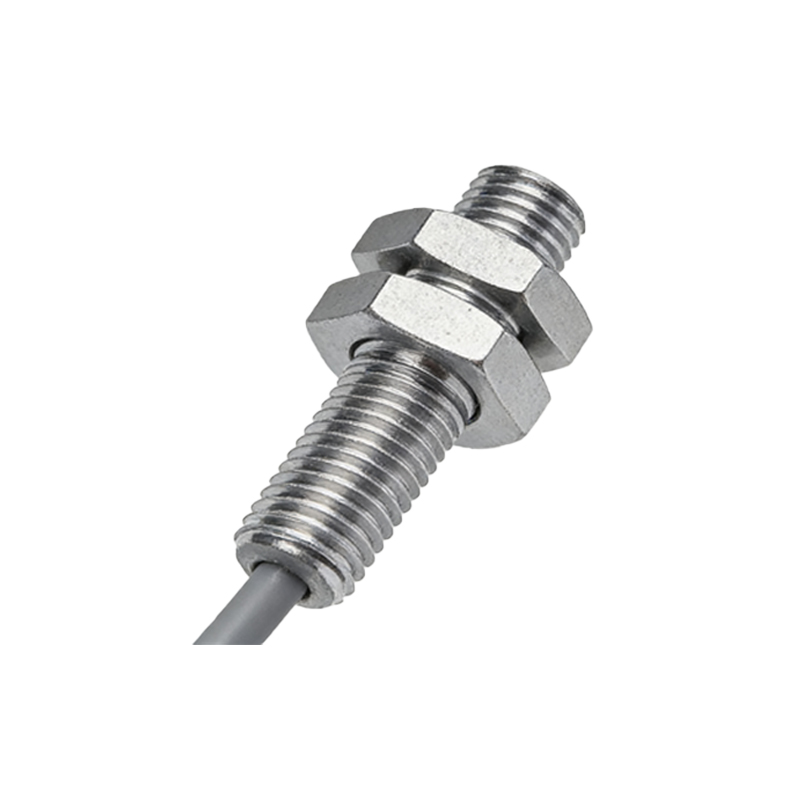
The Steute portfolio includes several distinguished series. The MCS series comprises miniature photoelectric sensors known for their compact housing, making them perfect for installations with limited space. They are available in various output configurations (PNP/NPN) and sensing modes. The LCS series represents laser photoelectric sensors, providing a highly focused beam for precise detection of minute objects or applications requiring exact positioning, often with visible red laser light for easy alignment. For harsh industrial environments, the RKS series offers robust photoelectric sensors with high protection ratings (up to IP69K), resistant to washdowns, chemicals, and mechanical stress, commonly used in food processing and outdoor applications.
Advanced Features and Intelligent Functions
Modern Steute photoelectric sensors integrate sophisticated features that enhance their functionality. Many models come with teach-in functionality, allowing for quick and easy configuration of sensing ranges or thresholds directly on the device. Integrated diagnostics via LED indicators or IO-Link communication provide real-time status information, facilitating predictive maintenance and reducing downtime. Models with adjustable sensitivity or time delays offer greater application flexibility. Specialized variants include color recognition sensors, contrast sensors for label detection, and luminescence sensors for detecting marks invisible to the human eye.
Application Scenarios in Industry
The application scope for Steute photoelectric sensors is vast. In packaging machinery, they reliably detect product presence on conveyor belts, control filling levels, and verify label placement. Automated assembly lines use them for part positioning, robot guidance, and quality control checks. In the automotive sector, they monitor component sequences and ensure correct assembly. Within the food industry, their hygienic designs detect bottles, cans, and packages on high-speed production lines, even under frequent cleaning cycles. Logistics and warehouse automation rely on them for parcel dimensioning, palletizing, and sortation systems.
Selection Criteria and Installation Guidelines
Selecting the appropriate Steute photoelectric sensor requires careful consideration of several parameters. The sensing distance, object size, material, color, and surface finish directly influence the choice of operating principle and model. Environmental conditions such as ambient light, temperature, humidity, and potential exposure to dust, water, or chemicals dictate the required housing material and ingress protection (IP) rating. Electrical characteristics like supply voltage, output type (e.g., relay, solid-state), and connection method are also critical. For installation, ensuring precise alignment, maintaining a clean lens, and providing stable mounting are essential for optimal performance and longevity.
Maintenance, Troubleshooting, and Support
While designed for longevity, Steute photoelectric sensors benefit from periodic maintenance. Keeping the lens clean from dust, grease, or condensation is paramount. Regular checks of alignment and mounting stability prevent false triggers. Common issues like no output signal or erratic behavior can often be traced to power supply problems, misalignment, dirty optics, or unsuitable sensing object properties. Steute provides comprehensive technical documentation, datasheets, and application notes for each model. Their global support network and partnership with distributors ensure access to expert advice, spare parts, and configuration tools.
Conclusion and Future Outlook
Steute photoelectric sensors represent a blend of German engineering precision and practical innovation, offering solutions that enhance efficiency, safety, and reliability in industrial automation. From miniature standard sensors to ruggedized intelligent units, the range addresses nearly every conceivable detection challenge. As Industry 4.0 progresses, the integration of smart sensor data into networked systems will become even more crucial. Steute is poised to continue its leadership by further developing sensors with enhanced connectivity, diagnostic capabilities, and adaptability to meet the evolving demands of smart factories and interconnected production environments.