Introduction to Projective Finger-Mounted Photoelectric Sensors
Projective finger-mounted photoelectric sensors represent a specialized and compact category within the broader field of industrial automation sensing. Unlike traditional through-beam or diffuse sensors, these devices are characterized by their unique form factor—designed to mount on the "fingers" or grippers of robotic arms or automated handling systems. Their primary function is to detect the presence, absence, or position of an object directly in the gripper's vicinity, enabling precise and real-time feedback for intricate pick-and-place, assembly, and inspection tasks. This integration at the point of action is crucial for enhancing the intelligence and adaptability of robotic systems, particularly in environments demanding high precision and flexibility, such as electronics manufacturing, pharmaceutical packaging, and small parts assembly.
Core Working Principle and Technology
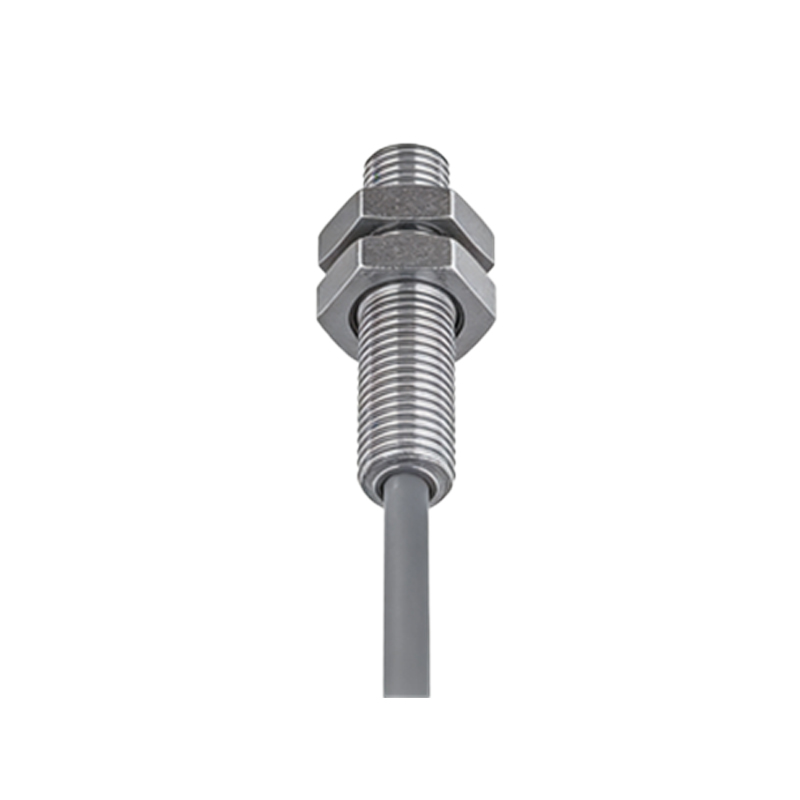
At their heart, these sensors operate on the standard photoelectric principle but are miniaturized and optimized for close-range, projective sensing. They typically consist of a compact emitter and a receiver housed within a single, ruggedized casing shaped for finger mounting. The emitter projects a focused beam of light—often visible red or laser—towards a target area. The receiver then detects the light reflected from the object. Most projective finger sensors use the diffuse reflective mode for this application. They measure the intensity of the reflected light; a significant change indicates the presence of an object within a very specific, short sensing range. Advanced models may incorporate background suppression technology, which allows them to ignore reflections from surfaces beyond a set distance, ensuring reliable detection even when objects are placed against varying backgrounds. This precise, localized detection is key to verifying successful grip, detecting misaligned parts, or preventing collisions.
Key Design Features and Advantages
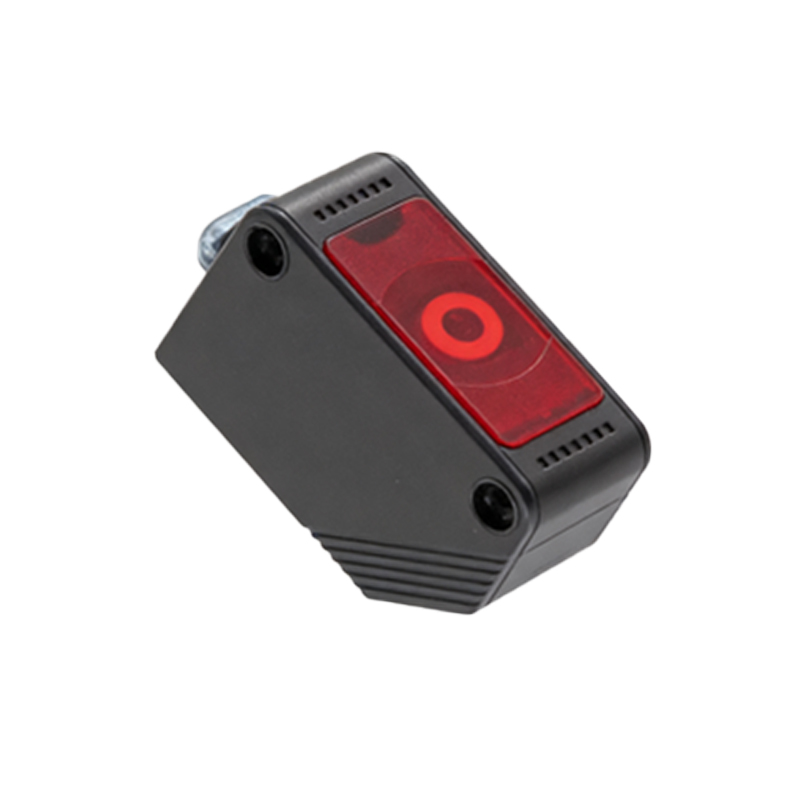
The design of projective finger-mounted sensors addresses several critical challenges in robotic integration. First is their ultra-compact size and low-profile housing, which allows installation without interfering with the gripper's mechanics or the workspace. They are built with exceptional durability to withstand constant motion, potential impacts, and vibrations inherent in robotic operations. Materials like stainless steel or ruggedized plastics are common. Many models offer adjustable sensing ranges or sensitivity via potentiometers or teach-in functions, providing flexibility for different object colors, materials, and sizes. A significant advantage is their ability to provide immediate, point-of-action feedback. This eliminates latency associated with sensors mounted further away on the machine frame, leading to faster cycle times, improved accuracy, and enhanced process reliability by confirming part presence before a critical movement occurs.
Primary Industrial Applications
The applications for these sensors are vast and growing within automated systems. In robotic bin picking, they are indispensable for confirming that a part has been successfully acquired from a bin before the robot retracts, preventing empty grips and process errors. In assembly lines, they verify the correct insertion of components—for instance, confirming a semiconductor chip is present in a socket before proceeding. They are used for gap and flushness detection in automotive assembly, ensuring panels are aligned correctly. In packaging machinery, they detect whether a blister pack is correctly positioned in a carton before sealing. Furthermore, they serve as a critical safety feature by detecting obstructions in the gripper's closing path, helping to prevent damage to both the robot and the workpiece. Their role is fundamental in enabling error-proofing and quality control at the most granular level of automation.
Critical Selection Criteria and Installation Tips
Selecting the right projective finger sensor requires careful consideration of several parameters. The sensing range must be appropriate for the gap between the gripper finger and the target object; typical ranges are from a few millimeters up to several centimeters. The size and shape of the sensor must fit the physical constraints of the gripper design. The type of light source (red LED, laser) influences spot size and detection precision for small objects. Environmental factors are crucial: the sensor must have an adequate IP rating (e.g., IP67) for resistance to dust, coolants, or washdowns. Electrical output type (PNP/NPN, NO/NC) must be compatible with the robot's controller. For installation, precise alignment is key to ensuring the beam targets the correct detection point. Cables should be routed securely using strain relief and cable carriers to prevent snagging or wire fatigue from constant robotic movement. Proper shielding may be necessary in electrically noisy environments.
Future Trends and Conclusion
The future of projective finger-mounted sensors is aligned with trends in Industry 4.0 and smart manufacturing. Integration of IO-Link communication is becoming more common, allowing for remote configuration, real-time diagnostic data (like signal strength or lens contamination warnings), and easier integration into digital twin models. Sensor fusion, where photoelectric data is combined with input from force/torque sensors or vision systems on the same gripper, will create even more intelligent and adaptive end-effectors. Miniaturization will continue, enabling their use in micro-assembly applications. As collaborative robots (cobots) become more prevalent, the demand for these small, precise, and safe sensors will grow further. In conclusion, projective finger-mounted photoelectric sensors are a pivotal technology for advancing robotic dexterity and intelligence. By providing reliable, immediate feedback at the very point of interaction with a workpiece, they form a critical sensory link that transforms a simple gripper into a perceptive and reliable tool, driving efficiency, quality, and flexibility in modern automated production.