Introduction to Photoelectric Sensors in Hydraulic Environments
Photoelectric sensors have become indispensable in modern industrial automation, particularly within systems incorporating hydraulic machinery. These sensors operate by emitting a light beam—typically infrared, visible red, or laser—and detecting changes in the received light intensity. In hydraulic applications, they are engineered to withstand harsh conditions such as high pressure, oil mist, vibration, and temperature fluctuations. Their primary function is to provide non-contact detection of objects, positions, and levels, translating physical presence into precise electrical signals for control systems. The integration of photoelectric technology into hydraulic circuits enables enhanced precision, reliability, and safety, forming a critical interface between fluid power and electronic control.
Core Functions and Operational Principles
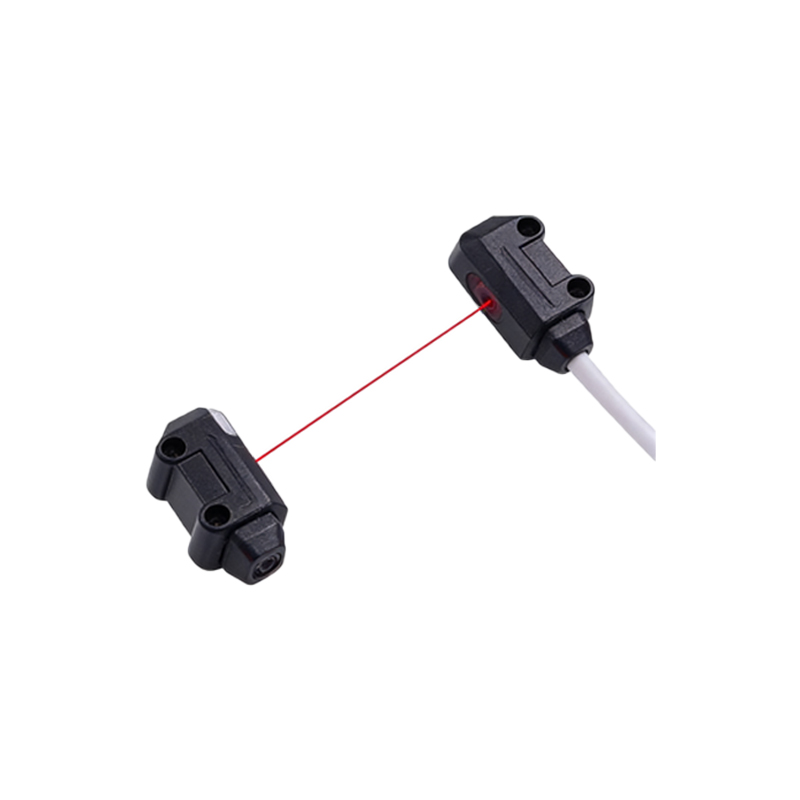
The fundamental operation hinges on three main configurations: through-beam, retro-reflective, and diffuse reflective. Through-beam sensors, with separate emitter and receiver units, offer the longest sensing ranges and highest immunity to environmental interference, ideal for detecting large components on hydraulic presses. Retro-reflective types use a single unit and a reflector, suitable for medium-range tasks like monitoring cylinder rod positions. Diffuse sensors detect light reflected directly from the target, perfect for short-range applications such as fluid level sensing in hydraulic reservoirs. Advanced models incorporate background suppression or foreground suppression technologies, allowing them to ignore distant or close interfering objects—a crucial feature in complex hydraulic assemblies where multiple moving parts coexist.
Key Applications in Hydraulic Systems
In hydraulic systems, these sensors perform diverse roles. They are extensively used for position feedback on hydraulic cylinders, ensuring precise extension and retraction for automated machinery. In mobile hydraulics, such as construction equipment, they monitor bucket angles or boom positions, contributing to operational safety and efficiency. Another vital application is fluid level monitoring in hydraulic tanks; sensors detect minimum and maximum levels to prevent pump dry-running or overfilling, often triggering alarms or automatic shut-off valves. Additionally, they serve in condition monitoring by detecting leaks—oil streaks or droplets interrupting a light beam can activate maintenance alerts. On production lines with hydraulic clamping units, sensors verify part presence before a cycle begins, preventing damage and ensuring operator safety.
Design Features for Hydraulic Compatibility
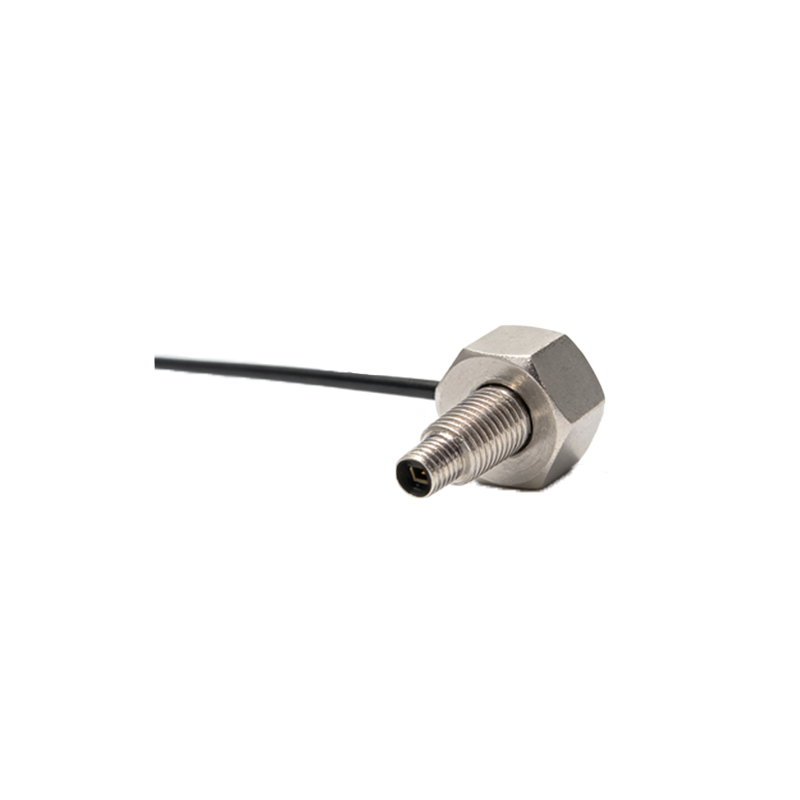
To endure demanding hydraulic environments, specialized photoelectric sensors incorporate robust design elements. Housings are typically constructed from stainless steel or ruggedized plastics with high IP (Ingress Protection) ratings, such as IP67 or IP69K, ensuring resistance to oil ingress and high-pressure washdowns. Lenses are made from materials like polycarbonate that resist scratching and chemical corrosion from hydraulic fluids. Internal components are often potted to dampen vibrations from pumps and motors. Electrical connections may include M12 or M8 quick-disconnect couplings with sealed conduits to maintain integrity. Some sensors feature built-in diagnostics via LED indicators or IO-Link communication, providing real-time status updates on signal strength and contamination levels, which is invaluable for predictive maintenance in hydraulic systems.
Advantages Over Alternative Sensing Technologies
Compared to other sensors like inductive proximity switches or capacitive sensors, photoelectric variants offer distinct benefits in hydraulic contexts. Their ability to detect non-metallic objects—such as plastic tubing, rubber seals, or fluid levels—makes them versatile where inductive sensors fail. They provide faster response times, often in microseconds, crucial for high-speed hydraulic valve sequencing. With longer sensing ranges, they enable flexible mounting away from direct contact with moving parts, reducing mechanical wear. Furthermore, their precision in detecting small objects or thin materials enhances quality control in hydraulic assembly processes. While magnetic sensors are common for cylinder positioning, photoelectric sensors deliver higher resolution and are unaffected by magnetic fields generated by nearby electric motors or solenoids.
Integration with Control Systems and Industry 4.0
Modern photoelectric sensors seamlessly integrate into broader automation architectures. Outputs typically include PNP/NPN discrete signals or analog signals proportional to distance, directly interfacing with PLCs (Programmable Logic Controllers) governing hydraulic actuators. The advent of Industry 4.0 has seen these sensors equipped with smart communication protocols like IO-Link, which transmits detailed operational data to supervisory systems. This enables continuous monitoring of sensor health, automatic parameter adjustment for different hydraulic fluids or targets, and data collection for analytics. In a networked hydraulic system, photoelectric sensors contribute to predictive maintenance models, alerting technicians to deteriorating conditions before failures cause downtime, thus optimizing the lifecycle of hydraulic components.
Selection Criteria and Installation Best Practices
Selecting the appropriate sensor requires evaluating several factors. The sensing range must accommodate the application distance, considering potential obstructions in hydraulic machinery. The light source type—infrared for immunity to ambient light, or laser for precise small-target detection—should match the environment. Environmental ratings must exceed the expected exposure to oil, pressure spikes, and temperature ranges. Mounting hardware should use vibration-resistant brackets to maintain alignment. During installation, ensure the lens is clean and free from oil film, and align beams precisely to avoid false triggers from reflective metal surfaces common in hydraulic systems. Regular maintenance involves periodic lens cleaning and verification of signal stability, as oil mist accumulation can gradually attenuate the light beam.
Future Trends and Technological Evolution
The future of photoelectric sensors in hydraulics points toward greater intelligence and miniaturization. Emerging trends include the development of sensors with integrated pressure and temperature compensation, automatically adjusting sensitivity in varying hydraulic conditions. Enhanced connectivity through Ethernet-APL or wireless protocols will facilitate easier integration into IIoT (Industrial Internet of Things) platforms. Furthermore, advancements in TOF (Time-of-Flight) technology will enable more accurate distance measurement for proportional hydraulic control. Research into novel materials for lenses and housings aims to improve resistance to synthetic ester-based hydraulic fluids and extreme pressures. As hydraulic systems evolve toward electro-hydraulic hybrids, the role of photoelectric sensors as precise, reliable feedback devices will only expand, driving efficiency and innovation in automation.