Introduction to Square Stainless Steel Proximity Sensors
In the demanding world of industrial automation, reliability and durability are paramount. Square stainless steel proximity sensors have emerged as a cornerstone technology for object detection in harsh environments. Unlike their cylindrical counterparts, these sensors offer a distinct profile that is often better suited for specific mounting configurations and space-constrained applications. The defining characteristic, however, is the robust stainless steel housing. This material provides exceptional resistance to corrosion, chemicals, high-pressure washdowns, and physical impacts, making these sensors ideal for industries such as food and beverage processing, pharmaceutical manufacturing, marine applications, and aggressive chemical plants. Their sealed construction typically meets high Ingress Protection (IP) ratings, such as IP67, IP68, or IP69K, ensuring long-term performance where other sensors would fail.
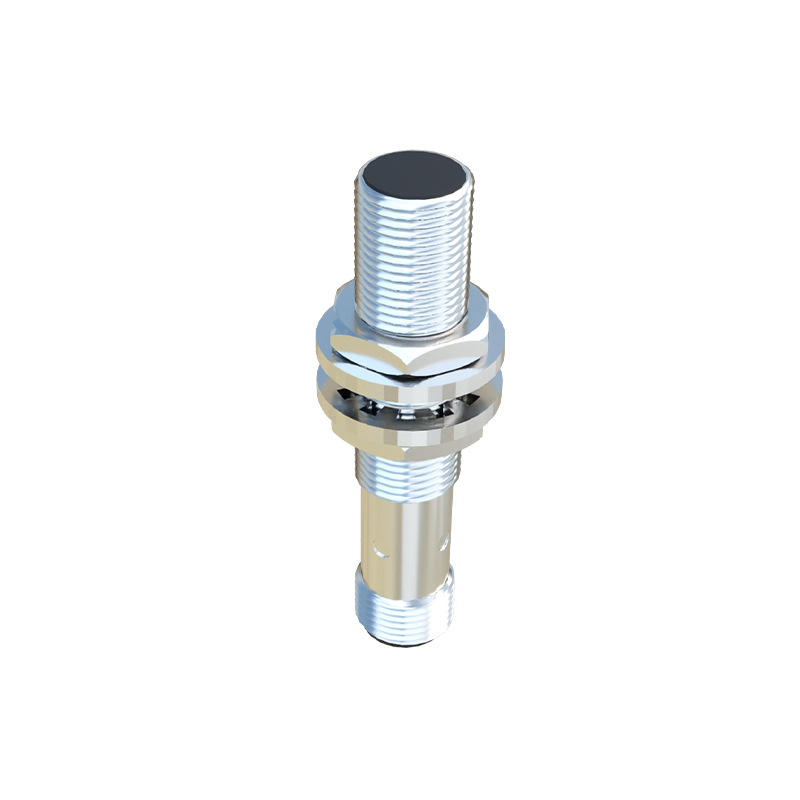
Key Operating Principles and Technologies
Square stainless steel housings can encapsulate various sensing technologies, each with unique advantages. The most common type is the inductive proximity sensor. These sensors generate an electromagnetic field and detect the presence of conductive metal targets without physical contact. They are exceptionally reliable for detecting metals like steel, aluminum, and copper. Another prevalent technology is the capacitive proximity sensor. These devices can detect both metallic and non-metallic materials—liquids, plastics, wood, or glass—by sensing changes in capacitance. This makes them versatile for level detection or presence sensing of packaging materials. Some square designs also incorporate ultrasonic or photoelectric sensing principles, though inductive remains the most common due to its simplicity and robustness for metal detection in tough conditions.
Design Advantages and Mechanical Features
The square form factor provides several practical benefits. The flat surfaces allow for easy and secure mounting, often using standard brackets or directly onto machinery frames. This shape minimizes the risk of sensor rotation after installation, ensuring consistent sensing alignment. Many models feature built-in mounting holes or slots for flexible integration. The stainless steel casing is not just for protection; it also acts as an effective shield against electromagnetic interference (EMI), which is crucial in environments with heavy motor drives or welding equipment. Furthermore, the sensing face is often made of a specialized material, like PTFE (Teflon) or a specific grade of stainless steel, to prevent material buildup—a critical feature in food processing where hygiene is a priority.
Electrical Specifications and Output Configurations
Understanding the electrical parameters is essential for correct integration. These sensors are predominantly available in DC versions (commonly 10-30V DC) or AC versions (e.g., 90-250V AC). The output is typically a solid-state switch, either as a PNP (sourcing) or NNP (sinking) transistor for DC models, or a relay output for AC models. The choice between PNP and NNP depends on the control system's input card configuration. Many modern square proximity sensors feature short-circuit and reverse polarity protection, enhancing their resilience to wiring errors. The sensing range, while generally shorter than cylindrical sensors due to the square form factor, is precisely defined and stable, with standard ranges from 2mm to 15mm for inductive types. LED status indicators are almost universally integrated for visual diagnostics of power and output state.
Critical Application Considerations
Selecting the right sensor requires careful analysis of the application. First, identify the target material. For metals, an inductive sensor is appropriate; for other materials, a capacitive model is needed. The operating environment is the next critical factor. While stainless steel offers excellent protection, one must verify the specific grade (e.g., 304 or 316 stainless steel) against the chemicals present. The required sensing distance should be chosen with a safety margin, typically 70-80% of the rated nominal range, to account for mechanical tolerances and temperature variations. Mounting is crucial; sensors should be installed to avoid interference from surrounding metal (a phenomenon called flanking) as per manufacturer guidelines. For washdown areas, ensuring the correct IP69K rating is non-negotiable.
Installation, Wiring, and Maintenance Best Practices
Proper installation maximizes sensor lifespan and reliability. Always follow the manufacturer's specified mounting distances and clearances. Use shielded cables in electrically noisy environments and ground the shield properly at the controller end. For long cable runs, consider the voltage drop, especially with DC sensors. Maintenance is generally minimal due to the non-contact nature of operation. However, regular visual inspections are recommended to check for physical damage, corrosion on connectors, or contamination buildup on the sensing face. Cleaning should be done with appropriate solvents that do not degrade the housing or seal materials. Never use abrasive tools on the sensing face, as this can alter its detection characteristics.