Introduction to Capacitive Proximity Sensors
Capacitive proximity sensors are versatile devices used to detect both metallic and non-metallic objects, including liquids, powders, and granular materials. Operating on the principle of capacitance change, these sensors generate an electrostatic field. When an object enters this field, it alters the capacitance, triggering the sensor's output. This technology is fundamental across numerous industries such as food and beverage, pharmaceutical, packaging, and material handling. The demand for reliable, non-contact detection drives their widespread adoption, making their market dynamics and pricing a critical area of focus for engineers and procurement specialists.
Key Factors Influencing Sensor Pricing
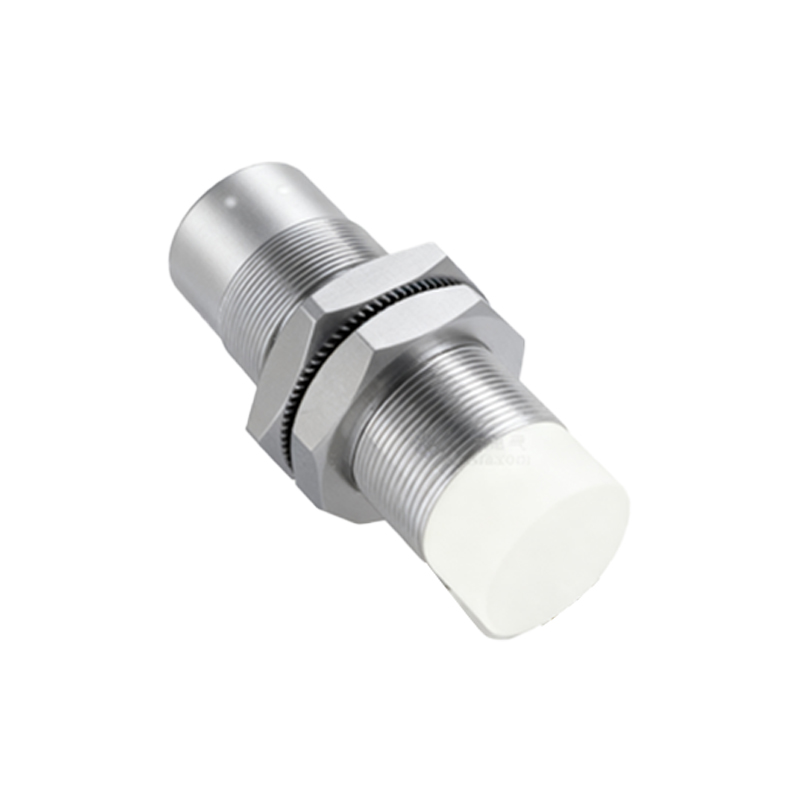
The price of a capacitive proximity sensor is not a fixed value but a variable influenced by several interconnected factors. Firstly, the sensing range is paramount; sensors with longer ranges typically incorporate more complex electronics and materials, commanding a higher price. Secondly, the housing material, such as stainless steel for harsh environments versus PBT plastic for standard use, significantly impacts cost. Thirdly, output configuration (e.g., NPN, PNP, analog, IO-Link) and switching frequency add layers of complexity and cost. Finally, brand reputation, certification standards (IP ratings, ATEX for hazardous areas), and the inclusion of advanced features like temperature compensation or programmable settings contribute to the final price point. Understanding these variables is essential for making cost-effective selections.
Current Market Price Range Overview
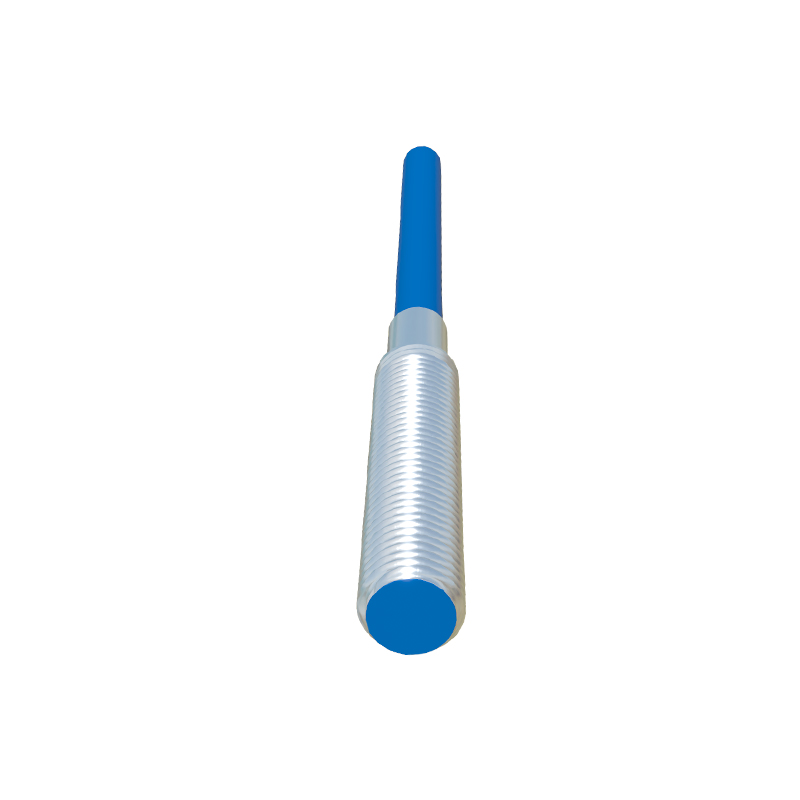
As of the current market analysis, capacitive proximity sensors exhibit a broad price spectrum. Basic, standard-range sensors with plastic housings and simple digital outputs can start from as low as $20 to $50 per unit. Mid-range models, offering enhanced ranges up to 25mm, metal housings, and analog or configurable outputs, typically fall between $50 and $150. High-end sensors, designed for extreme conditions, with very long ranges (40mm+), specialized materials like Teflon-coated bodies, advanced diagnostics, and industrial network compatibility (IO-Link, PROFINET), can range from $150 to over $400. Bulk purchasing through distributors or OEM channels often results in substantial discounts, sometimes reducing unit costs by 15-30%.
Impact of Global Supply Chain and Raw Materials
The global electronics supply chain exerts a profound influence on sensor pricing. Fluctuations in the cost of critical raw materials like copper, nickel, and semiconductors directly affect manufacturing expenses. Recent years have seen volatility due to logistical challenges, geopolitical tensions, and increased demand for industrial automation components. This volatility can lead to periodic price adjustments from manufacturers. Furthermore, regional production hubs affect landed costs; sensors manufactured in Europe or North America often carry a premium compared to those produced in Asia, though quality and compliance standards may vary. Engineers must factor in lead times and potential supply chain surcharges when budgeting for projects.
Price Comparison: Standard vs. Specialized Sensors
A clear cost differentiation exists between standard and specialized capacitive sensors. Standard sensors, used for common object detection tasks, benefit from economies of scale and are highly competitive in price. Their design is optimized for volume production. In contrast, specialized sensors for unique applications—such as detecting very small objects, functioning in high-temperature environments, or complying with stringent food-grade (FDA, EHEDG) or washdown (IP69K) standards—incur significantly higher R&D and manufacturing costs. These sensors might use exotic materials and require meticulous calibration, often resulting in prices two to five times higher than their standard counterparts. The justification for this premium lies in reliability and performance under specific, demanding conditions.
Future Price Trends and Economic Outlook
Analyzing future trends suggests a dual trajectory for capacitive sensor pricing. On one hand, technological advancements and increased manufacturing automation are expected to exert downward pressure on the cost of standard, high-volume sensor models. The integration of more functionality into single chips (ASICs) can reduce component counts and costs. On the other hand, the growing demand for smart, connected sensors with Industry 4.0 capabilities (like IIoT connectivity and data analytics) will likely keep prices for advanced models stable or even rising due to added value. Furthermore, global pushes for sustainability and stricter environmental regulations may introduce new material costs. Overall, the market is anticipated to see moderate price inflation for standard units (2-5% annually) while high-end sensor pricing remains more volatile and feature-dependent.
Procurement Strategies for Cost Optimization
To navigate this pricing landscape effectively, engineers and purchasers should adopt strategic procurement practices. Firstly, accurately define the application requirements to avoid over-specifying and paying for unnecessary features. Secondly, consider establishing long-term partnerships with reputable distributors or manufacturers to secure volume-based pricing and consistent supply. Thirdly