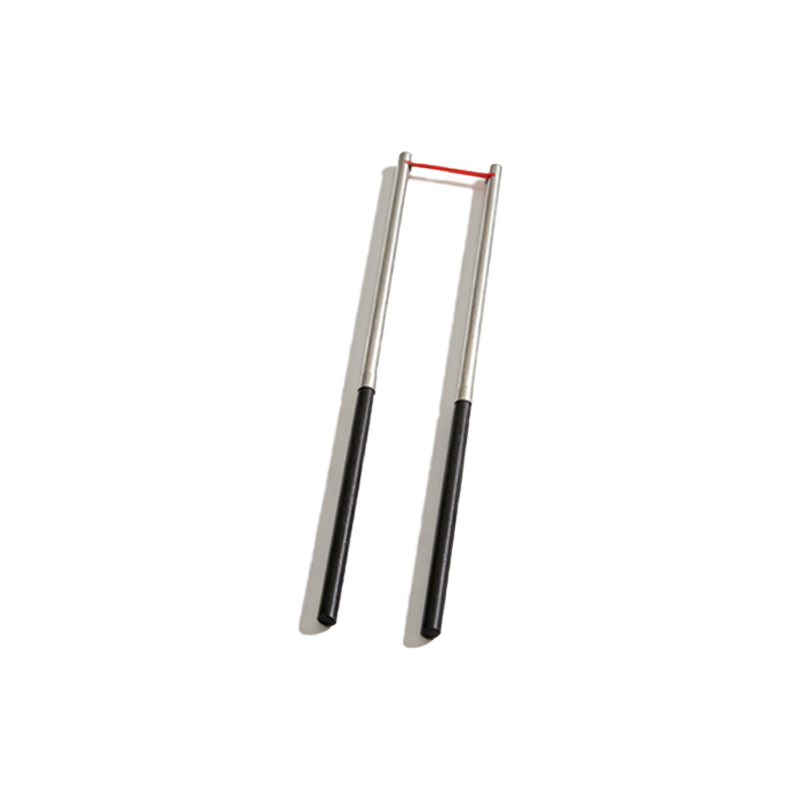
Introduction to Zhijiang Photoelectric Sensors
Zhijiang photoelectric sensors represent a significant advancement in industrial automation, offering precise detection capabilities across various environments. These sensors utilize light beams to detect objects, measure distances, or identify changes in conditions, making them indispensable in manufacturing, logistics, and safety systems. With a focus on reliability and efficiency, Zhijiang has developed a range of sensors that cater to diverse industrial needs, from simple presence detection to complex analytical tasks. The technology behind these sensors involves emitting light, typically infrared or visible, and analyzing the reflected signal to determine object characteristics. This non-contact method ensures minimal wear and tear, enhancing longevity and reducing maintenance costs. As industries increasingly adopt smart automation, Zhijiang photoelectric sensors play a crucial role in optimizing processes and improving productivity.
Key Technologies and Design Features
The core of Zhijiang photoelectric sensors lies in their advanced optical and electronic components. They incorporate high-quality LEDs or laser diodes for light emission, paired with sensitive phototransistors or photodiodes for reception. This setup allows for accurate detection even in challenging conditions, such as low light or high ambient noise. Many models feature adjustable sensing ranges, enabling customization for specific applications. Additionally, Zhijiang sensors often include built-in amplifiers and signal processors that filter out interference, ensuring stable performance. Design innovations, such as compact housings and robust materials, make them suitable for harsh industrial environments, resisting dust, moisture, and temperature fluctuations. These features collectively contribute to their reputation for durability and precision in sectors like automotive, packaging, and robotics.
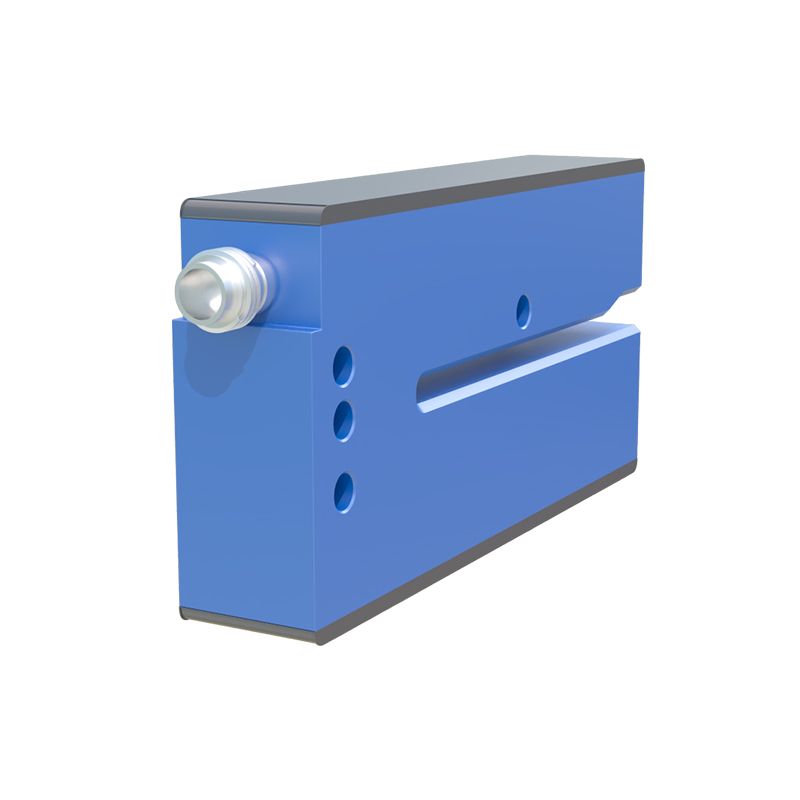
Applications in Industrial Automation
In industrial settings, Zhijiang photoelectric sensors are widely used for object detection, positioning, and quality control. For instance, in assembly lines, they verify the presence of components, ensuring correct placement before further processing. In logistics, sensors monitor conveyor belts, detecting items for sorting or counting purposes. They also enhance safety by creating light curtains that halt machinery when an obstruction is detected, preventing accidents. Beyond basic functions, these sensors enable sophisticated tasks like color recognition and contrast measurement, vital in printing or textile industries. Their versatility extends to agricultural automation, where they assist in monitoring crop levels or equipment alignment. By integrating with PLCs and IoT systems, Zhijiang sensors facilitate real-time data collection, supporting predictive maintenance and process optimization.
Advantages Over Traditional Sensing Methods
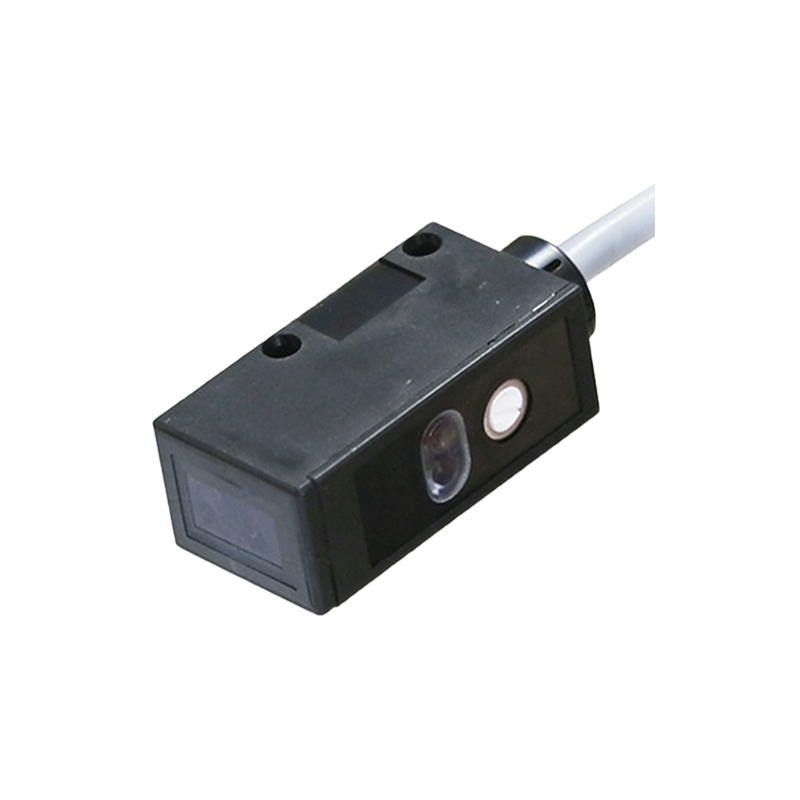
Compared to mechanical or capacitive sensors, Zhijiang photoelectric sensors offer several benefits. Their non-contact operation eliminates physical wear, leading to longer service life and reduced downtime. They provide faster response times, often in milliseconds, which is critical for high-speed production lines. The ability to detect a wide range of materials, including transparent or reflective objects, sets them apart from alternatives. Moreover, their immunity to electromagnetic interference ensures reliable performance in electrically noisy environments. Energy efficiency is another advantage, as modern designs consume minimal power while delivering high output. These factors make Zhijiang sensors a cost-effective solution, lowering operational expenses and boosting overall system efficiency in competitive industrial landscapes.
Future Trends and Innovations
The future of Zhijiang photoelectric sensors is shaped by emerging technologies like AI and IoT integration. Upcoming models are expected to feature enhanced connectivity, allowing seamless communication with cloud platforms for advanced analytics. Miniaturization will enable their use in compact devices, expanding applications in electronics and medical equipment. Innovations in light source technology, such as the adoption of UV or laser-based systems, may improve detection accuracy for specialized tasks. Additionally, sustainability efforts are driving the development of eco-friendly materials and energy-saving modes. As Industry 4.0 progresses, Zhijiang is likely to focus on smart sensors with self-diagnostic capabilities, further reducing maintenance needs and supporting autonomous operations in global industries.