Introduction to Photoelectric Sensor Fundamentals
Photoelectric sensors are pivotal components in modern industrial automation, leveraging light beams to detect the presence, absence, or distance of objects. Their operation hinges on the emission of light—typically from an LED or laser diode—and the reception of reflected or transmitted light by a photodetector. The core principle involves the modulation of light to mitigate ambient interference, ensuring reliable performance in diverse environments such as manufacturing lines, packaging systems, and material handling. Understanding these basics is essential before delving into parameter design, as it informs the selection of sensor type (e.g., through-beam, retro-reflective, diffuse) based on application needs. Key factors include the light source (infrared, visible red, or laser), which affects detection range and precision, and the sensing method, which determines how light interacts with targets. By grasping these fundamentals, engineers can lay a groundwork for optimizing parameters like sensing distance, response time, and environmental resilience, ultimately enhancing system efficiency and reducing downtime in automated processes.
Critical Parameters for Optimal Performance
Designing photoelectric sensors requires meticulous attention to several critical parameters that dictate functionality. Sensing distance, often specified as the maximum range for reliable detection, varies with sensor type and target properties—for instance, diffuse sensors may have shorter ranges due to dependence on reflectivity. Response time, measured in milliseconds, is crucial for high-speed applications; faster sensors enable rapid object counting or sorting without lag. Another vital parameter is the light spot size, which influences detection accuracy; a smaller spot allows for precise targeting of tiny objects, while a larger one suits broader coverage. Additionally, hysteresis—the difference between the switch-on and switch-off points—prevents output chattering in unstable conditions, ensuring stable operation. Engineers must also consider the sensor's resolution, defined as the minimum detectable object size, and its repeatability, which ensures consistent performance over time. By balancing these parameters, designers can tailor sensors to specific tasks, such as detecting transparent materials or operating in dusty settings, thereby maximizing reliability and minimizing false triggers in industrial systems.
Environmental Considerations and Durability
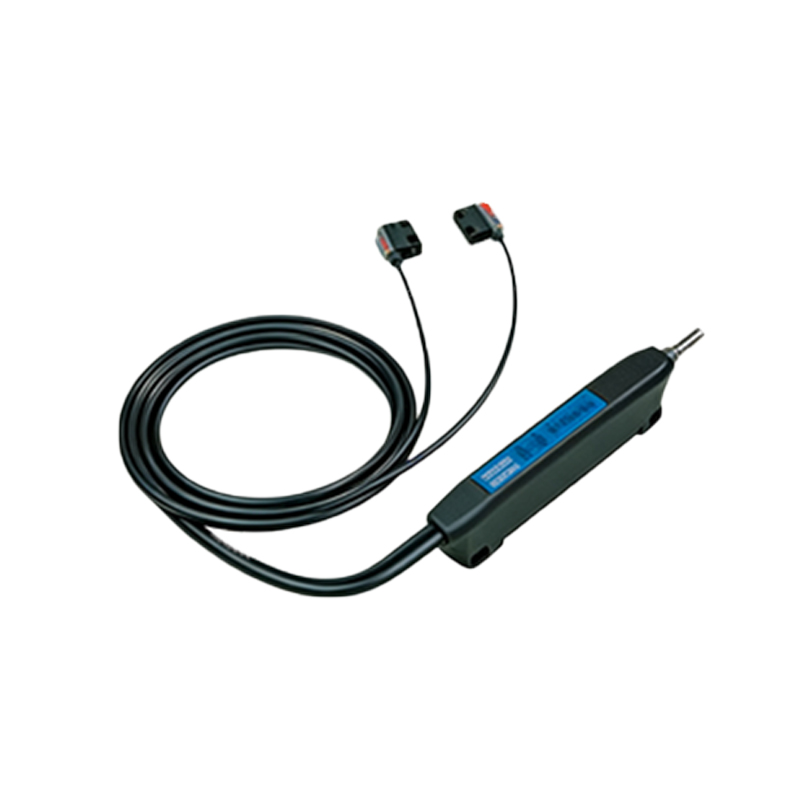
Industrial environments pose challenges like dust, moisture, temperature fluctuations, and vibration, all of which impact photoelectric sensor performance. To ensure durability, parameters such as ingress protection (IP) ratings and housing materials must be selected based on operational conditions. For example, sensors with IP67 or higher ratings resist water and dust ingress, making them suitable for harsh outdoor or washdown applications. Temperature tolerance is another key factor; standard sensors typically operate between -25°C to 70°C, but specialized variants can handle extremes. Vibration resistance, often achieved through robust mounting and shock-absorbent designs, prevents misalignment or damage in high-motion areas. Additionally, ambient light immunity—enhanced by modulated light sources and optical filters—reduces interference from sunlight or artificial lighting. Engineers should also account for target characteristics, such as color, reflectivity, and surface texture, which affect light absorption and reflection. By integrating these environmental considerations into parameter design, sensors can maintain accuracy and longevity, reducing maintenance needs and ensuring continuous operation in demanding settings like automotive plants or food processing facilities.
Electrical and Output Configuration
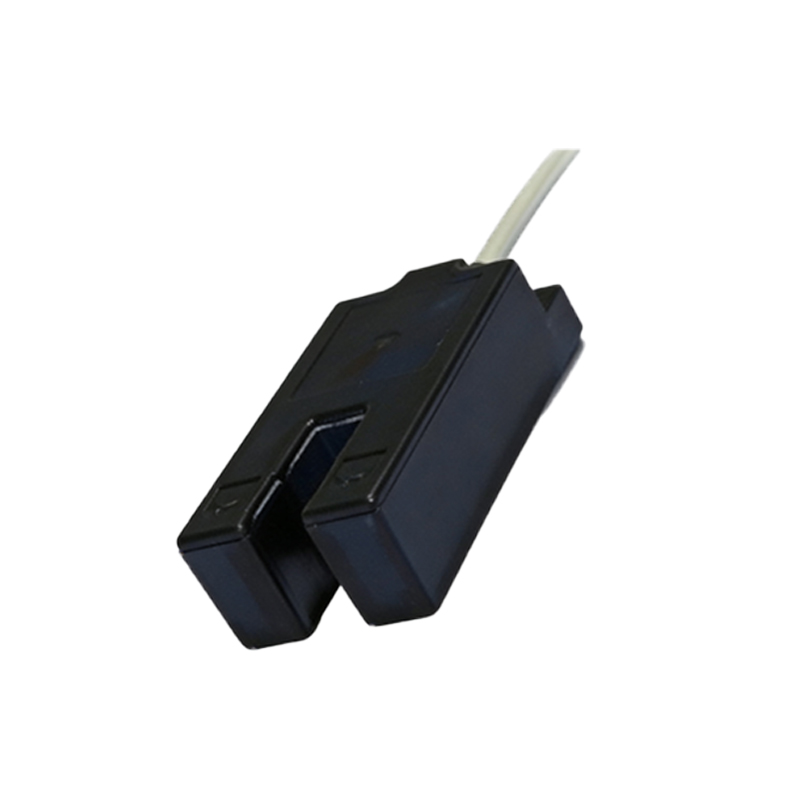
The electrical parameters of photoelectric sensors are integral to their integration with control systems. Supply voltage, commonly ranging from 10-30V DC for industrial models, must match the plant's power infrastructure to avoid malfunctions. Current consumption, typically low to minimize energy use, influences wiring and power supply sizing. Output types—such as digital (PNP/NPN) or analog (0-10V, 4-20mA)—determine how detection signals are communicated; digital outputs suit simple on/off tasks, while analog outputs provide continuous data for distance or intensity measurements. Wiring configuration, including 2-wire, 3-wire, or 4-wire setups, affects installation complexity and compatibility with PLCs or relays. Furthermore, protection features like short-circuit and reverse-polarity safeguards prevent damage from electrical faults. Engineers should also evaluate switching frequency, which defines how many operations per second the sensor can handle, aligning it with application speed requirements. By optimizing these electrical parameters, designers ensure seamless connectivity and reliable signal transmission, enhancing overall system responsiveness and safety in automated workflows.
Calibration and Maintenance Best Practices
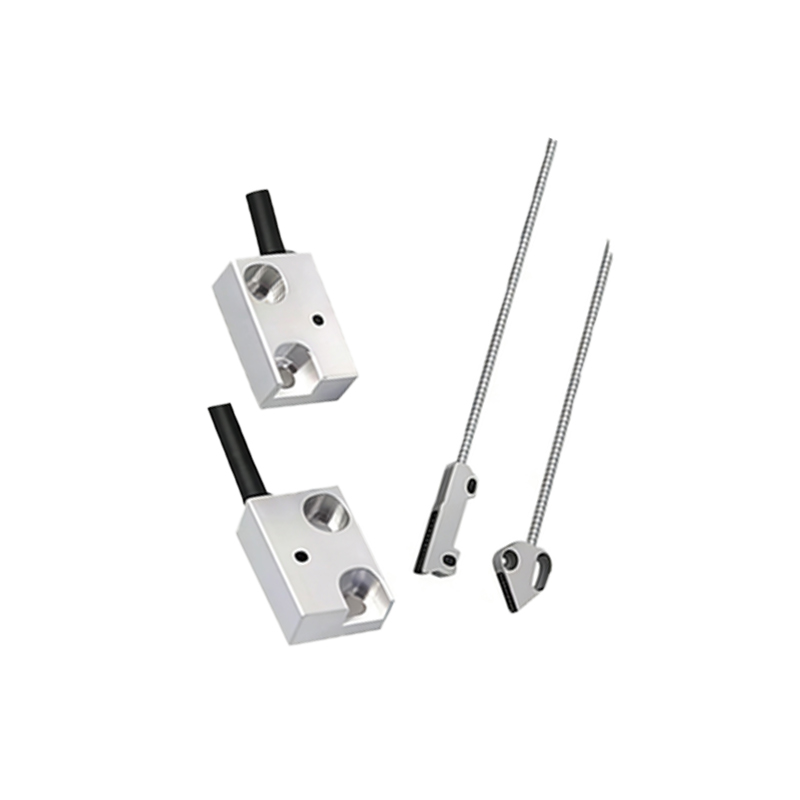
Proper calibration and maintenance are essential for sustaining photoelectric sensor performance over time. Initial calibration involves adjusting sensitivity thresholds to match target reflectivity and environmental conditions, often using potentiometers or teach-in functions for fine-tuning. Regular maintenance includes cleaning lenses to prevent dirt buildup that can attenuate light beams, and verifying alignment to ensure accurate detection. Monitoring parameters like signal strength via diagnostic LEDs or IO-Link communication helps identify degradation early, allowing proactive adjustments. Additionally, environmental factors like temperature drift may necessitate periodic recalibration to maintain precision. Engineers should follow manufacturer guidelines for inspection intervals and replacement parts, such as light sources that degrade with age. By implementing these best practices, industries can extend sensor lifespan, reduce downtime, and uphold consistent detection accuracy, ultimately supporting efficient and cost-effective automation processes.