Introduction to the 3020pum Proximity Sensor
The 3020pum represents a robust and reliable solution in the realm of inductive proximity sensors, engineered for demanding industrial environments. This cylindrical, tubular sensor is designed for non-contact detection of metallic objects, offering a precise and maintenance-free alternative to mechanical limit switches. Its construction typically features a stainless-steel housing, providing exceptional resistance to mechanical stress, cutting fluids, and coolants commonly found in machine tools, automated assembly lines, and material handling systems. The core functionality relies on the principle of electromagnetic induction, where an oscillator circuit generates a high-frequency electromagnetic field at the active face of the sensor. When a ferrous or non-ferrous metal target enters this field, eddy currents are induced, causing a change in the oscillator's amplitude. This change is detected by the evaluation circuitry, which subsequently triggers a solid-state output switch.
Key Technical Specifications and Performance Data
The performance of the 3020pum is defined by a set of critical specifications. The nominal sensing distance, or Sn, is a fundamental parameter, typically standardized at a specific value (e.g., 2mm, 5mm, 8mm) for this model series, ensuring reliable detection within its rated range. It is crucial to note that the effective operating distance can be influenced by the target material's properties, such as its size, shape, and composition; standardized correction factors are applied for non-ferrous metals like aluminum or copper. The sensor operates on a standard DC voltage supply, commonly 10-30V DC, with reverse polarity protection to prevent damage from incorrect wiring. Its output configuration is typically a 3-wire design, featuring a PNP (sourcing) or NPN (sinking) transistor output, allowing seamless integration with programmable logic controllers (PLCs) and other control systems. Key performance indicators also include a high switching frequency, enabling the detection of rapidly moving objects, and a minimal hysteresis value, which ensures precise and repeatable switching points.
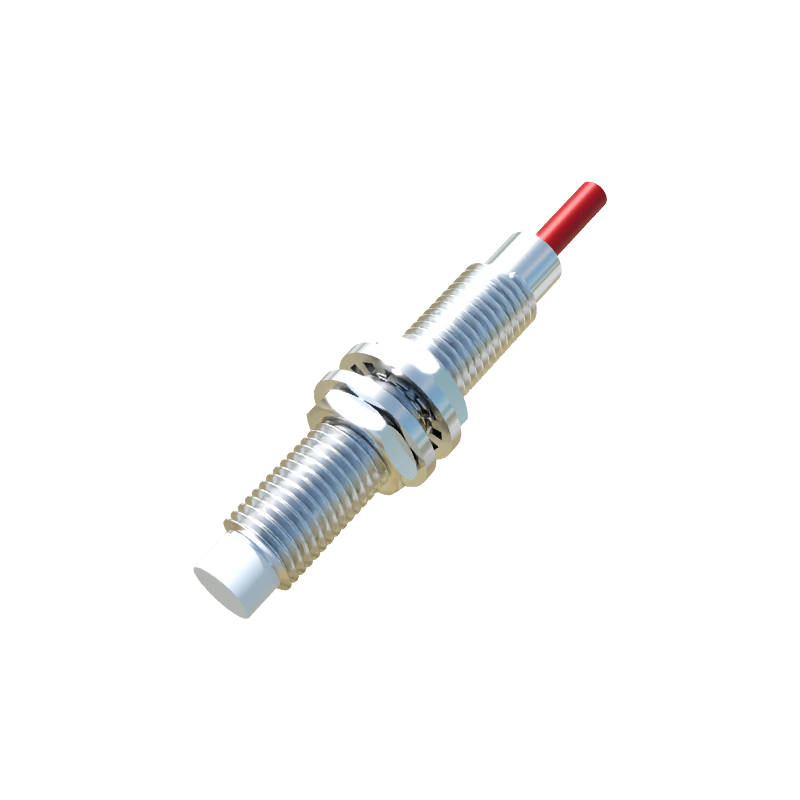
Electrical Connection and Wiring Considerations
Proper installation and wiring are paramount for the optimal and safe operation of the 3020pum sensor. The standard three-wire configuration comprises a brown wire for the positive supply voltage (V+), a blue wire for the negative supply or common (0V), and a black wire as the switched output signal. For a PNP version, the black wire sources current to the load when a target is detected. It is essential to connect a protective load, such as the coil of a relay or the input of a PLC, between the black output wire and the blue common wire. Shielding and cable routing should follow best practices to minimize electromagnetic interference (EMI) from nearby motors or frequency drives. Many models in this series feature a built-in LED status indicator, providing immediate visual confirmation of the sensor's power state and switching activity, which is invaluable for commissioning and troubleshooting.
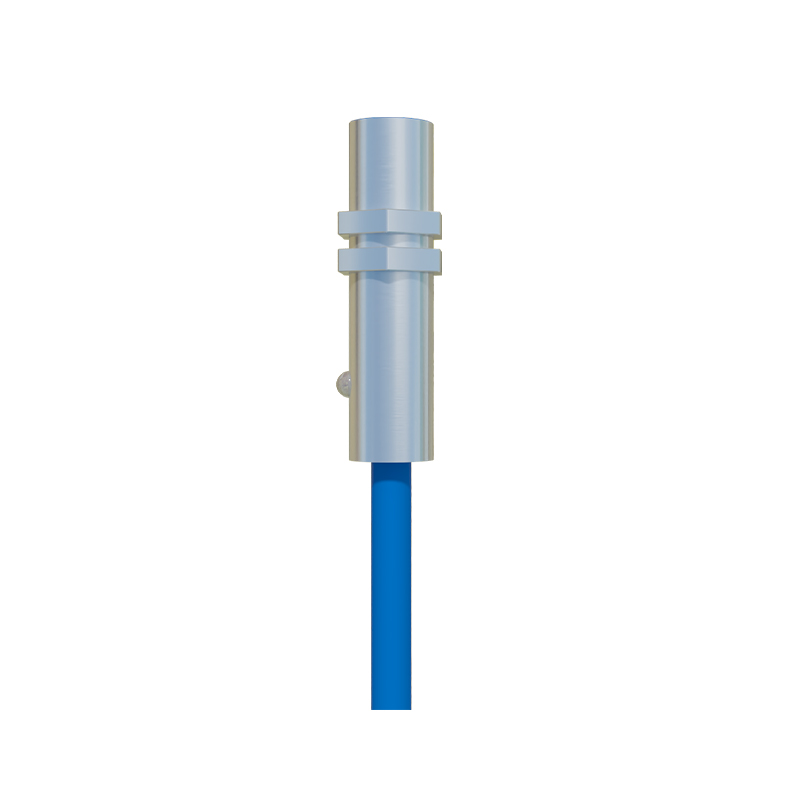
Environmental Robustness and Protection Ratings
Engineered for industrial durability, the 3020pum sensor boasts high ingress protection ratings, typically IP67 or IP68. This signifies complete protection against dust ingress and the ability to withstand temporary or prolonged immersion in water under specified conditions. The stainless-steel sensing face and housing offer excellent resistance to physical impacts, vibrations, and exposure to oils and coolants. Furthermore, these sensors are designed to operate reliably across a wide temperature range, often from -25°C to +70°C, ensuring functionality in both cold storage and hot manufacturing settings. This environmental resilience makes the 3020pum a suitable choice for harsh applications in automotive manufacturing, food and beverage processing (with appropriate housing materials), packaging machinery, and heavy industrial plants.
Application Examples in Automation Systems
The versatility of the 3020pum proximity sensor lends itself to a multitude of automation tasks. A primary application is position sensing, such as verifying the end-of-travel for a pneumatic cylinder or confirming the presence of a workpiece on a conveyor pallet. In rotary applications, it can be used for speed monitoring or zero-point detection by sensing bolts, gear teeth, or slots on a rotating shaft. Within robotic cells, these sensors provide critical feedback for gripper position (open/closed) or for ensuring a tool is correctly seated. In machine safety, they can act as part of an interlock system to confirm a guard door is securely closed before machine initiation. Their non-contact nature eliminates wear and tear, providing a long service life and reducing maintenance downtime compared to mechanical switches.
Installation Guidelines and Mounting Practices
Correct mounting is critical to achieving the specified sensing performance. The sensor should be mounted securely using the provided locknut, ensuring it