Introduction to Photoelectric Sensor Circuitry
Photoelectric sensors are pivotal components in modern automation and control systems, converting light signals into electrical outputs. The core of their functionality lies in the precision of their circuit design. A well-engineered circuit diagram dictates the sensor's performance in terms of response time, sensing range, stability, and immunity to environmental interference. Manufacturers specializing in these circuits must balance complex electronic principles with practical industrial demands, ensuring reliability in diverse applications from packaging lines to safety systems. The choice of components, from the light emitter (typically an LED or laser diode) to the phototransistor or photodiode receiver, and the supporting signal conditioning circuitry, is critical. This foundational understanding is essential for evaluating potential manufacturers in this specialized field.
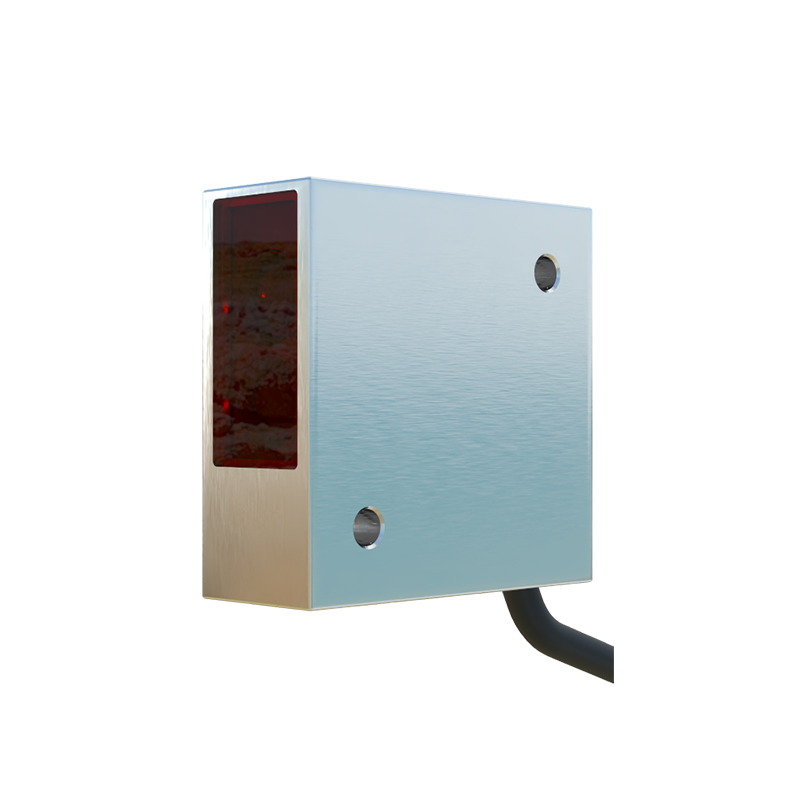
Key Considerations for Circuit Design
When assessing photoelectric sensor circuit diagram manufacturers, several technical factors come to the forefront. Firstly, the circuit topology—whether it employs a modulated (pulsed) light source or operates on a direct, continuous beam—significantly affects performance. Modulated circuits, often using specific ICs for drive and demodulation, offer superior immunity to ambient light, a crucial feature for industrial settings. Secondly, the output stage design (e.g., NPN/PNP transistor, relay, or analog output) must align with the control systems it will interface with. Thirdly, protection circuits against overvoltage, reverse polarity, and short circuits are non-negotiable for durability. Leading manufacturers provide detailed diagrams that explicitly include these protective elements, showcasing a commitment to product longevity and safety.
Leading Manufacturers and Their Expertise
The market features established global players and specialized firms, each with distinct strengths. Companies like Omron, Keyence, and Sick AG are renowned not only for complete sensor units but also for the sophistication of their underlying circuit designs, which are often proprietary. These industry giants invest heavily in R&D to integrate advanced features like background suppression, precise alignment indicators, and diagnostic feedback directly into their circuitry. Conversely, several specialized electronic component manufacturers and design houses focus specifically on supplying reference circuit diagrams and application-specific integrated circuits (ASICs) for photoelectric sensing. These firms cater to OEMs looking to integrate sensing capabilities into their own products, offering flexibility and customization in circuit design that off-the-shelf sensors cannot provide.
The Role of Customization and Support
Beyond standard designs, the ability to customize a circuit diagram is a key differentiator. Top-tier manufacturers work closely with clients to modify parameters such as sensing distance, output type, or housing constraints. This collaborative process often involves simulating circuit behavior under different conditions before prototyping. Furthermore, comprehensive technical support is indispensable. This includes providing not just a schematic, but also a full bill of materials (BOM), PCB layout recommendations, and detailed notes on calibration and testing procedures. A manufacturer's willingness to share application notes and troubleshooting guides reflects their expertise and commitment to the client's success, turning a simple circuit diagram into a complete solution package.
Quality Standards and Certification
Industrial applications demand adherence to stringent quality and safety standards. Reputable photoelectric sensor circuit manufacturers design their products to comply with international certifications such as IEC, UL, CE, and ATEX for hazardous environments. The circuit diagrams themselves should facilitate this compliance, clearly indicating components rated for specific voltages, temperatures, and electromagnetic compatibility (EMC). When evaluating a manufacturer, verifying their quality management system certifications (e.g., ISO 9001) is as important as analyzing their technical specifications. These standards ensure that the circuit design is not only theoretically sound but also consistently manufacturable and reliable in real-world, high-volume production.
Future Trends in Sensor Circuitry
The evolution of photoelectric sensor circuits is closely tied to broader technological advancements. Miniaturization is a persistent trend, driving the need for surface-mount device (SMD) expertise and low-power circuit design for IoT applications. Integration of digital intelligence, such as IO-Link communication interfaces, directly into the sensor's circuit is becoming commonplace, requiring manufacturers to be proficient in mixed-signal design. Additionally, the use of advanced materials for emitters and receivers promises greater efficiency and new wavelength capabilities. Forward-thinking manufacturers are already investing in these areas, developing circuit architectures that are smarter, more connected, and more energy-efficient, positioning themselves at the forefront of the next generation of industrial sensing.