Introduction to ECG Photoelectric Sensor Technology
The integration of ECG (electrocardiogram) and photoelectric sensor technology in wearable watches represents a significant leap forward in personal health monitoring. These advanced devices combine the principles of electrocardiography, which measures the heart's electrical activity, with photoplethysmography (PPG), which uses light to detect blood volume changes. This dual-sensor approach allows for continuous, non-invasive tracking of cardiovascular metrics. The ECG sensor typically requires direct skin contact, often through electrodes on the watch case or a dedicated finger touch, capturing precise electrical signals of the heart. Simultaneously, the photoelectric sensor on the underside of the watch emits light into the skin and measures the reflected or transmitted light to calculate heart rate, blood oxygen saturation, and even estimate stress levels. This synergy enables a more comprehensive health assessment than either technology alone, providing users with critical insights into their heart rhythm, potential arrhythmias like atrial fibrillation, and overall circulatory health.
Technical Architecture and Sensor Fusion
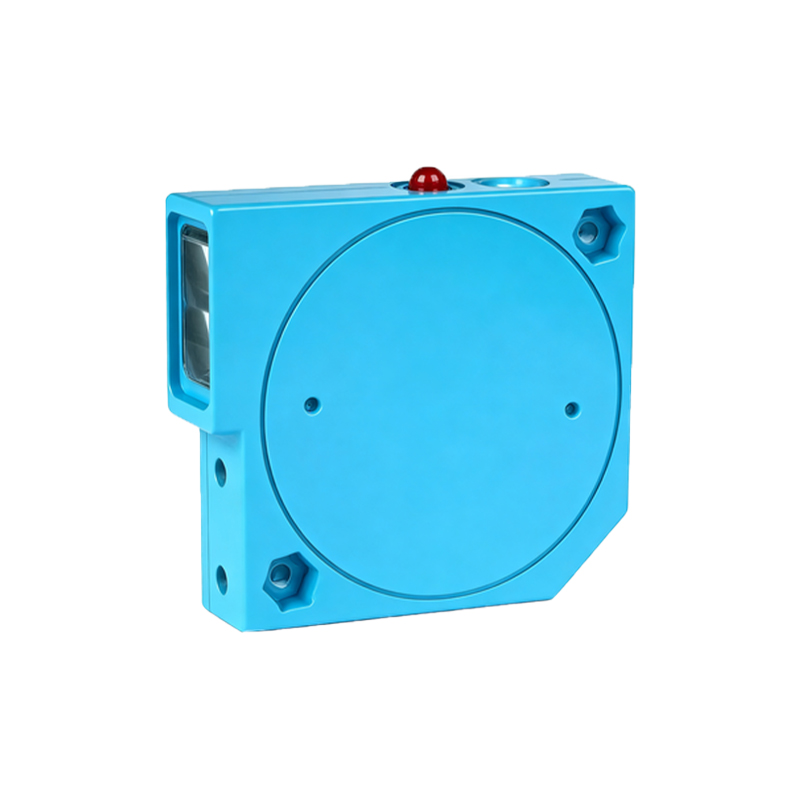
The core of an ECG photoelectric sensor watch lies in its sophisticated technical architecture. The ECG component usually consists of dry electrodes integrated into the watch body and sometimes a secondary electrode on the crown or bezel. When activated, these electrodes form a single-lead ECG system, capturing the electrical potential between two points on the body. The signal is then amplified, filtered to remove noise (such as motion artifacts), and digitized by an analog-to-digital converter. The photoelectric sensor, typically a green LED paired with a photodiode for heart rate and a red/infrared LED for blood oxygen, operates on the principle of light absorption by hemoglobin. Advanced algorithms perform sensor fusion, merging data from both sources to enhance accuracy. For instance, ECG provides precise R-R interval timing for heart rate variability (HRV) analysis, while PPG offers continuous pulse wave data. This fusion is processed by a dedicated microcontroller unit (MCU) with low power consumption, ensuring the watch can operate for extended periods without frequent charging.
Clinical Accuracy and Validation Standards
A paramount concern for engineers and medical professionals is the clinical accuracy of these consumer devices. Leading manufacturers subject their ECG photoelectric sensor watches to rigorous validation studies, often following protocols akin to those for medical-grade equipment. Accuracy is typically measured against a standard 12-lead ECG or a chest-worn Holter monitor. Key performance metrics include sensitivity and specificity for detecting arrhythmias, particularly atrial fibrillation. The photoelectric sensor's accuracy for heart rate and SpO2 (peripheral oxygen saturation) is validated against pulse oximeters and other reference devices. It is crucial to note that while these watches can provide valuable screening and trend data, they are not certified as diagnostic devices in most jurisdictions. However, their ability to capture intermittent events and provide long-term trend analysis makes them powerful tools for proactive health management, potentially alerting users to seek professional medical evaluation when anomalies are detected.
Power Management and Operational Challenges
Designing for optimal power management is a critical engineering challenge. Continuous operation of both ECG and PPG sensors can rapidly deplete a small battery. Engineers employ several strategies to mitigate this. These include adaptive sampling rates, where the sensor frequency increases during activity and decreases during rest; duty cycling, which periodically powers down sensors; and the use of ultra-low-power MCUs and efficient LEDs. Another significant challenge is mitigating motion artifacts, which can severely degrade signal quality. Advanced signal processing algorithms, such as adaptive filtering and machine learning models, are implemented to distinguish noise from true physiological signals. Furthermore, ensuring consistent skin contact for the ECG electrode and proper optical coupling for the PPG sensor across diverse skin tones, wrist sizes, and environmental conditions requires careful mechanical design and algorithmic calibration.

Data Security, Privacy, and User Interface
With sensitive health data being generated, robust data security and privacy measures are non-negotiable. Data encryption, both at rest on the device and in transit to companion smartphones or cloud servers, is standard. User consent and transparent data usage policies are essential. The user interface (UI) and experience (UX) design must present complex data in an intuitive, actionable manner. Companion applications typically visualize ECG waveforms, heart rate trends, SpO2 levels, and HRV metrics. They may include features for exporting PDF reports of ECG readings to share with healthcare providers. The design must balance detail for the engaged user with simplicity for the general consumer, ensuring the technology is accessible and beneficial without causing unnecessary anxiety from data overload or false positives.
Future Trends and Industry Applications
The future trajectory of ECG photoelectric sensor watches points toward even greater integration into the healthcare ecosystem. Emerging trends include the addition of more biomarkers, such as non-invasive blood glucose monitoring or hydration levels, using advanced spectroscopic techniques with photoelectric sensors. Deeper integration with telemedicine platforms will allow for real-time remote patient monitoring. Furthermore, the application of artificial intelligence for predictive analytics is expanding, aiming to forecast potential health events based on longitudinal data patterns. In industrial and occupational settings, these watches could monitor worker fatigue and stress in high-risk environments. The convergence of consumer electronics with medical-grade monitoring promises a new era of decentralized, preventative healthcare, empowering individuals with unprecedented visibility into their own physiological state.