Introduction to Photoelectric Sensors in Safety Door Applications
Photoelectric sensors are pivotal components in modern industrial safety systems, particularly for safety doors on machinery and automated equipment. These devices operate by emitting a beam of light—typically infrared, visible red, or laser—toward a receiver. When an object, such as a safety door, interrupts this beam, the sensor triggers a signal to halt machine operation, thereby preventing access to hazardous areas during active cycles. The reliability and non-contact nature of photoelectric sensors make them ideal for ensuring personnel safety while maintaining operational efficiency. In safety door applications, they are often part of a larger safety interlock system, complying with international standards like ISO 13849 and IEC 61496.
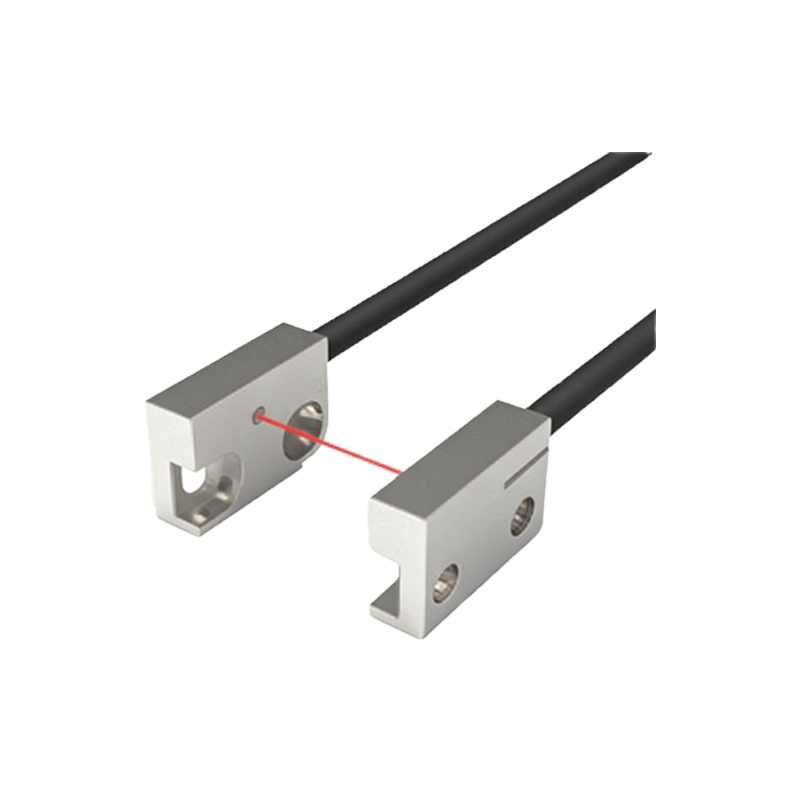
Key Features and Technical Specifications
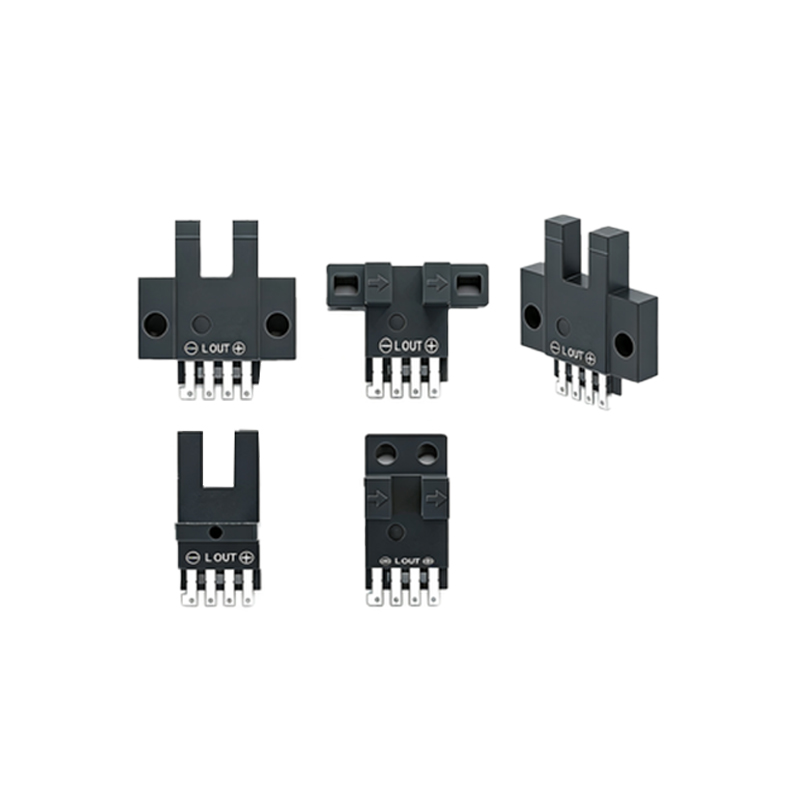
A typical photoelectric safety door sensor comprises an emitter and a receiver, often housed in rugged enclosures rated IP67 or higher for dust and water resistance. Key specifications include sensing range, response time, and output type. For safety doors, through-beam sensors are common, offering long ranges up to 100 meters and high reliability due to separate units for emission and reception. Retro-reflective and diffuse sensors are also used in specific configurations. Response times are critical, usually under 1 millisecond, to ensure immediate machine stoppage. Outputs often include solid-state relays or safety-rated PLC interfaces, supporting functions like muting or bypass for controlled access during maintenance.
Interpreting Photoelectric Sensor Images and Diagrams
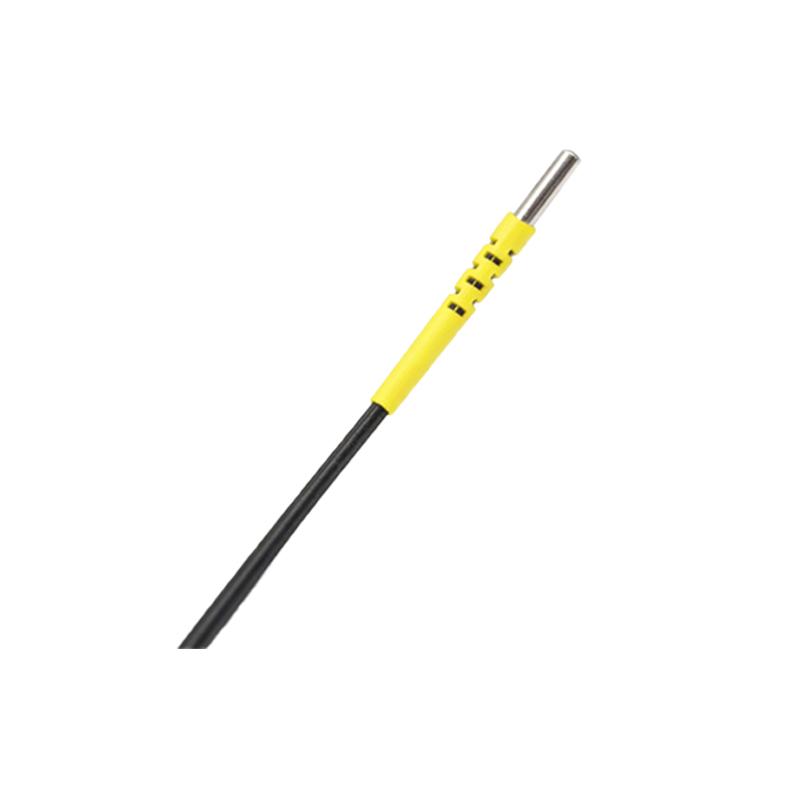
Images of photoelectric sensors for safety doors typically showcase compact, rectangular or cylindrical designs with alignment indicators and status LEDs. In diagrams, the emitter is denoted by a light source symbol, while the receiver shows a phototransistor or similar element. Wiring schematics highlight connections to safety controllers, with color-coded cables for power, output, and diagnostic signals. Cross-sectional views may reveal internal optics, such as lenses that focus the beam for enhanced accuracy. When reviewing images, note mounting brackets, which allow adjustable positioning to align the beam precisely with the door's movement path, ensuring consistent interruption detection.
Installation and Alignment Best Practices
Proper installation is crucial for optimal performance. Mount the emitter and receiver on opposite sides of the safety door frame, ensuring they are parallel and at the same height. Use alignment tools or built-in LEDs to verify beam integrity; a steady green light often indicates correct alignment. Avoid obstructions like dirt or vibrations that could cause false triggers. For environments with high ambient light, select sensors with modulated light to reduce interference. Regular testing, such as checking the sensor's response by interrupting the beam during machine idle periods, helps maintain compliance with safety regulations.
Common Applications and Industry Use Cases
Photoelectric sensors for safety doors are widely deployed in manufacturing sectors, including automotive assembly lines, packaging machinery, and robotic cells. In automotive plants, they secure access to welding robots, while in food processing, stainless-steel variants resist corrosion. Integration with safety relays or programmable logic controllers (PLCs) enables complex logic, such as allowing door opening only when machinery is in a safe state. Case studies show that these sensors reduce downtime by preventing accidental trips and enhance overall safety culture through reliable, visible protection measures.
Maintenance and Troubleshooting Tips
Routine maintenance involves cleaning lenses with a soft cloth to prevent buildup that could weaken the beam. Inspect cables for wear and ensure tight connections. If a sensor fails, diagnostic LEDs often flash error codes—refer to the manual for interpretations. Common issues include misalignment due to door sagging or electrical noise from nearby equipment. Use shielded cables and proper grounding to mitigate noise. For persistent problems, consider upgrading to models with self-checking features that monitor internal function and report faults proactively, aligning with safety integrity levels (SIL).
Future Trends and Technological Advancements
Emerging trends in photoelectric sensors for safety doors include IoT connectivity for remote monitoring and predictive maintenance. Smart sensors can transmit data on beam integrity and usage patterns to central systems, alerting technicians before failures occur. Enhanced designs with multi-beam arrays offer redundancy, improving reliability in high-risk applications. Additionally, miniaturization allows integration into smaller doors without compromising performance. As industries adopt more collaborative robots, sensors with advanced sensitivity settings will enable safer human-machine interaction, driving innovation in safety standards and sensor technology.