Introduction to Multi-Emitting Head Technology
In the realm of industrial automation, photoelectric sensors are indispensable for tasks ranging from object detection and positioning to counting and quality inspection. Traditional single-emitter sensors, while reliable in many scenarios, face limitations in complex or demanding environments. This is where multi-emitting head photoelectric sensors present a significant technological advancement. These innovative devices incorporate multiple, independently controlled light-emitting elements within a single sensor housing. This architecture fundamentally shifts the paradigm from a single point of detection to a configurable detection field, offering engineers unprecedented control over the sensing application. The core principle involves emitting light beams from different points, which can be used in various operational modes—such as simultaneous emission, sequential scanning, or pattern-based emission—to solve challenges that stump conventional sensors.
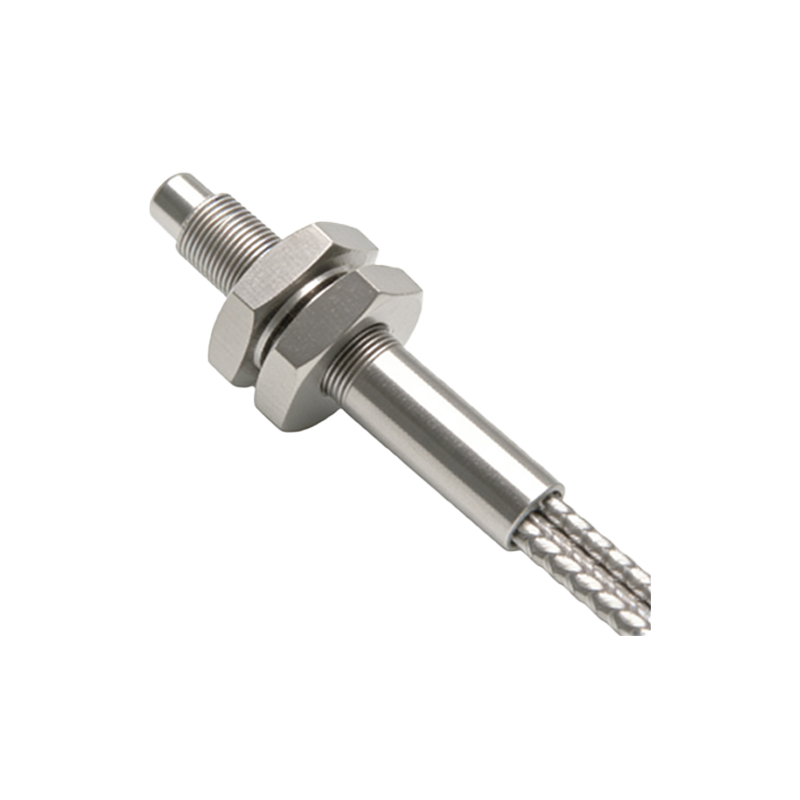
Core Operational Principles and Configurations
The functionality of a multi-emitting head sensor hinges on its ability to manage several light paths. Typically, these sensors contain an array of LEDs (often infrared, red, or laser) and a corresponding phototransistor or photodiode receiver. The control logic within the sensor's microprocessor can activate these emitters in distinct patterns. In a common through-beam configuration, multiple emitters are aligned with a single receiver across a distance, creating a curtain of light rather than a single beam. In retro-reflective or diffuse-reflective modes, the multiple heads can project light at different angles or intensities. This allows for the creation of defined detection zones, the ability to ignore background objects, or the generation of a specific light pattern that must be completely broken or recognized to trigger an output. The scanning or sequencing speed is so high that it appears instantaneous to the process, enabling real-time, multi-point monitoring.
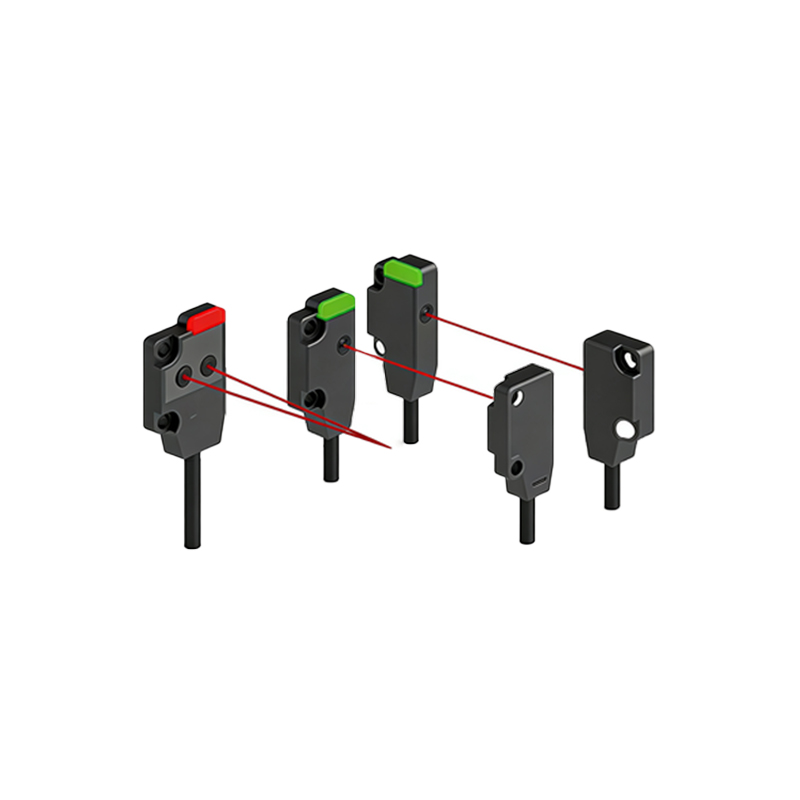
Key Advantages Over Conventional Sensors
The benefits of deploying multi-emitting head sensors are substantial and address specific industrial pain points. First and foremost is enhanced reliability and reduced nuisance tripping. By requiring a specific pattern of beams to be interrupted, the sensor can effectively distinguish between the target object and environmental noise like dust, steam, or stray light. Secondly, they offer remarkable flexibility. A single multi-head sensor can often replace several single-beam sensors, simplifying mechanical design, reducing wiring, and lowering overall system cost and complexity. Thirdly, they enable precise edge detection and profile monitoring. By analyzing which specific emitter beams are broken and in what sequence, the system can determine an object's precise position, size, or orientation on a conveyor line, facilitating high-precision inspection tasks.
Primary Industrial Applications and Use Cases
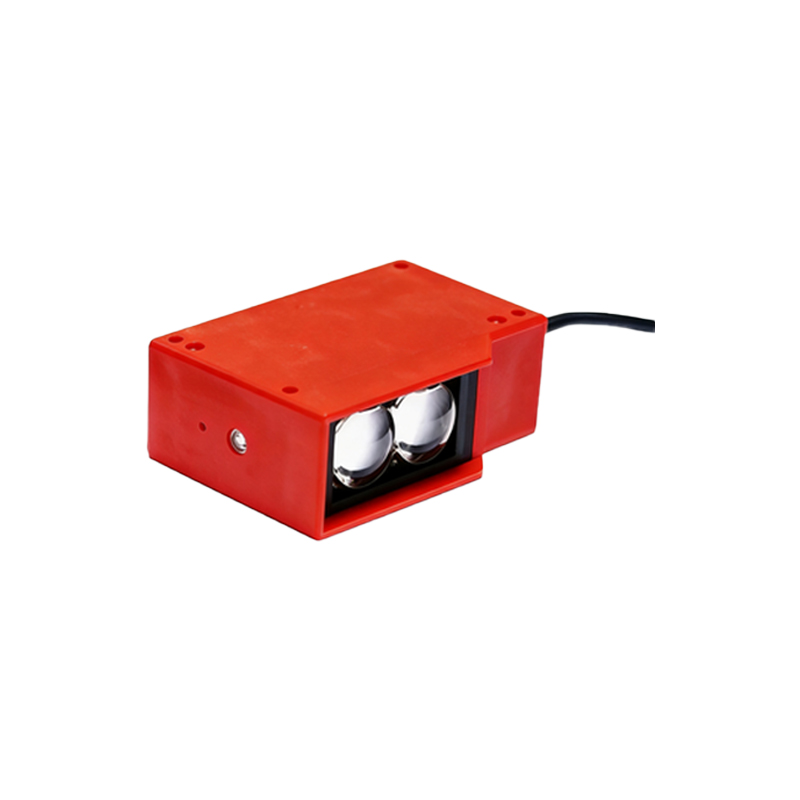
The application spectrum for these sensors is broad and growing. In packaging and material handling, they excel at detecting transparent films, bottles, and irregularly shaped items that might "disappear" to a standard sensor. They are ideal for monitoring gaps on conveyor belts or ensuring proper sheet separation. In the automotive industry, they are used for robot guidance, verifying the presence of multiple components in an assembly, and checking window alignment. Another critical application is in safety systems, where creating a light curtain for personnel protection or access control requires multiple beams. Furthermore, in logistics and warehousing, they facilitate precise parcel dimensioning and sorting by creating a dense grid of detection points around a scanning tunnel.
Critical Selection Criteria and Implementation Tips
Selecting the right multi-emitting head sensor requires careful consideration of several parameters. The required sensing range and the size of the detection area dictate the number of emitting heads and their spacing. The type of light source (laser for precision, infrared for immunity to ambient light, red for visible alignment) must match the application environment and target material. Output configuration (NPN/PNP, analog, or IO-Link) should integrate seamlessly with the existing control system, with IO-Link offering advanced parameterization and diagnostics. During installation, precise alignment remains crucial, especially for through-beam models. Utilizing models with built-in alignment indicators (like beam finders or status LEDs) is highly recommended. Environmental factors such as temperature, humidity, and potential contaminants should be reviewed against the sensor's IP rating.
The Future with Smart Sensor Integration
The evolution of multi-emitting head sensors is tightly coupled with the rise of Industry 4.0 and smart sensor capabilities. The next generation of these devices increasingly features integrated IO-Link communication, which allows for remote configuration, real-time monitoring of signal strength for each emitter, and predictive maintenance alerts. Advanced models can perform onboard logic operations, making decentralized decisions without PLC intervention. Furthermore, integration with machine vision systems and AI platforms is on the horizon, where the rich, multi-point data from these sensors will feed algorithms for even more sophisticated quality control and process optimization. This trajectory solidifies their role not just as detection devices, but as intelligent data nodes within the connected industrial ecosystem.