Introduction to Servo Systems and Sensing
In the realm of automation and precision control, servo systems are fundamental. These systems, comprising a motor, a drive, and a feedback device, are engineered for precise control of angular or linear position, velocity, and acceleration. A critical, yet sometimes overlooked, component that enhances the functionality and safety of these systems is the proximity sensor. This non-contact detection device plays a pivotal role in modern servo applications, from robotic arms to CNC machinery.
Defining the Proximity Sensor's Core Function
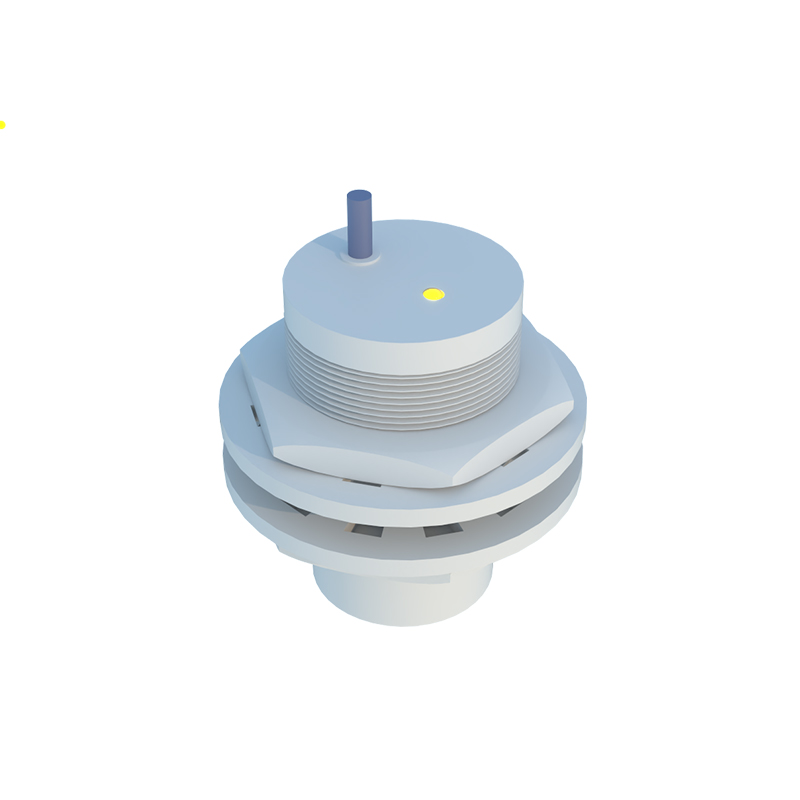
A proximity sensor in a servo system primarily acts as a limit or homing sensor. Its core function is to detect the presence or absence of a target object—typically a metal flag or cam attached to the moving part of the servo mechanism—without any physical contact. When the target enters the sensor's detection field, it triggers a state change in the sensor's output signal. This binary signal (ON/OFF) is then fed back to the servo drive or programmable logic controller (PLC), providing a definitive reference point for the system's position.
Establishing a Reliable Home Position
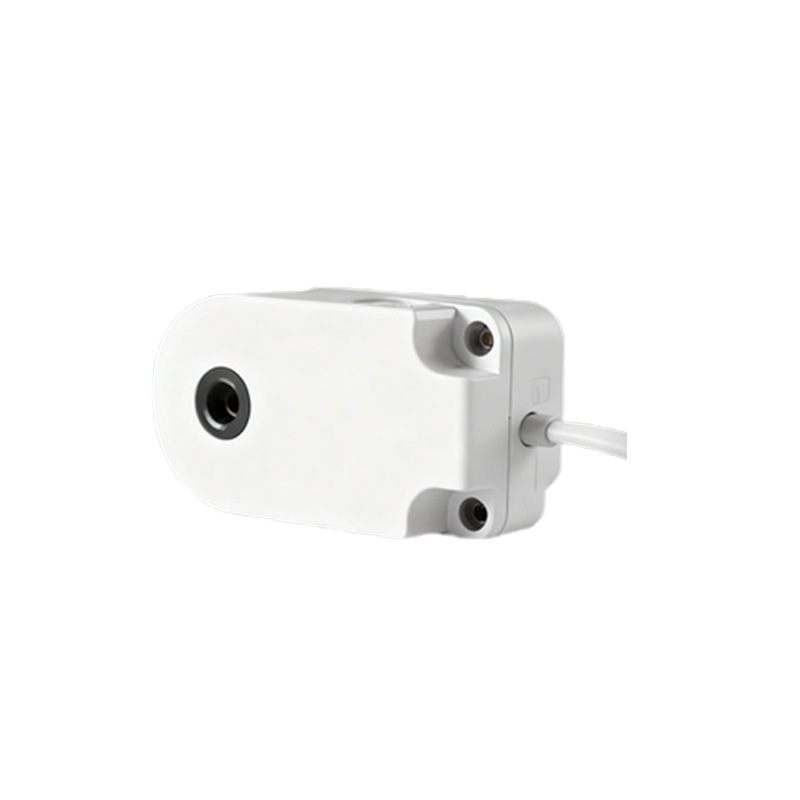
One of the most critical applications is homing or referencing. Upon system startup, a servo motor does not inherently know its absolute position. A proximity sensor is strategically placed to detect a specific "home" flag on the moving axis. During a homing routine, the motor moves slowly until the sensor is activated. This event establishes a repeatable zero position, from which all subsequent movements are calculated. This process ensures consistent and accurate positioning cycle after cycle, which is vital for processes like pick-and-place or assembly.
Providing End-of-Travel Limit Protection
Safety and mechanical protection are paramount. Proximity sensors are installed at the physical limits of an axis's travel to act as hard limits or over-travel switches. If the control system fails or a positioning error occurs, and the mechanism attempts to move beyond its designed range, the limit sensor will be triggered. This immediate signal typically commands the servo drive to halt motion, preventing potential damage to the machine, the servo components, or the workpiece. This forms a crucial layer of safety in automated systems.
Enhancing Operational Sequences and Logic
Beyond limits and homing, proximity sensors enable more complex machine sequences. They can be used as "position verified" sensors within a travel range. For instance, a sensor might confirm that a gripper has retracted fully before allowing a robotic arm to move laterally. Or, it could detect the presence of a workpiece on a conveyor before initiating a servo-driven stamping cycle. This interlocking logic, driven by sensor input, ensures orderly and safe operation, preventing collisions and sequencing errors.
Comparing Technologies: Inductive and Capacitive
The choice of sensor technology is application-dependent. Inductive proximity sensors are most common in servo systems due to their robustness and reliability in detecting metallic targets (like aluminum or steel flags) in industrial environments. They are immune to dust, oil, and non-metallic debris. For applications involving non-metallic targets, capacitive proximity sensors may be employed. The selection criteria include sensing distance, target material, switching frequency, and environmental conditions like temperature and potential washdowns.
Integration with Servo Drives and Controllers
Effective integration is key. The digital output from a proximity sensor is typically wired to a dedicated input on the servo drive or a central PLC. Modern servo drives often have dedicated terminals for home and limit sensors. The drive's software is then configured to define the action upon sensor activation—for example, to immediately stop all torque (for a limit) or to decelerate and record the position (for a home switch). Proper tuning of sensor response and filter settings is necessary to avoid false triggers from vibration or electrical noise.
Impact on System Accuracy and Repeatability
While the servo motor's encoder provides high-resolution feedback for closed-loop control during movement, the proximity sensor provides absolute positional reference points. This combination is powerful. The encoder ensures precision during the move, and the proximity sensor periodically corrects any cumulative error by re-establishing a known home point. This synergy guarantees long-term repeatability, which is essential in high-volume manufacturing where even minor drift over time can lead to significant quality issues.
Maintenance and Troubleshooting Considerations
Proximity sensors are generally reliable but require consideration. Regular maintenance involves checking the sensor's mounting for looseness, ensuring the target flag is secure and correctly aligned, and cleaning the sensing face from buildup that could reduce effective range. Common troubleshooting issues include failed sensors (no output), weakened sensing distance due to wear, or misalignment causing intermittent signals. Monitoring