Understanding Photoelectric Sensor Water Spray Interference
Photoelectric sensors are fundamental components in industrial automation, prized for their non-contact detection, high precision, and reliability. However, their performance can be severely compromised in environments where water spray is present. This interference is not merely about physical water droplets on the lens; it involves complex interactions between light, water, and the sensor's electronics. Water spray can scatter, refract, or absorb the emitted light beam, leading to false triggering, missed detections, or complete operational failure. In washdown areas, food processing, outdoor applications, or any setting with high-pressure cleaning, understanding this specific challenge is critical for maintaining system integrity and preventing costly downtime. The core issue lies in the sensor's inability to distinguish between the target object and the water droplets intersecting its beam path.
Primary Causes of Malfunction in Wet Conditions
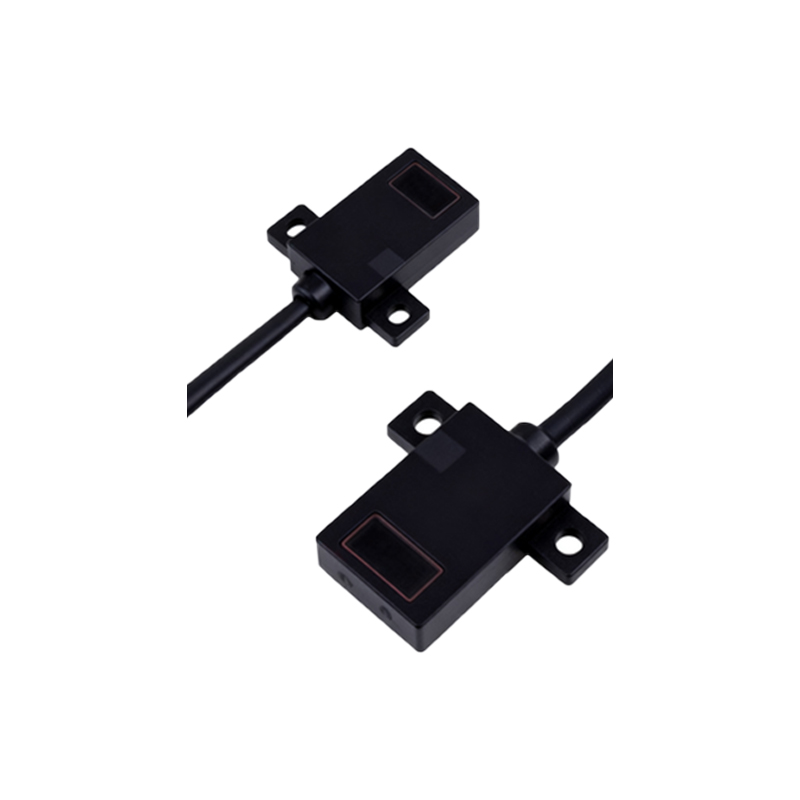
Several physical and optical phenomena contribute to sensor failure under water spray. First, light scattering occurs when water droplets diffuse the light beam, reducing its intensity and preventing sufficient light from reaching the receiver. Second, lens occlusion is a direct physical problem where water droplets or film coat the protective window, obscuring both emission and reception. Third, refraction can bend the light path unpredictably, causing the beam to miss the intended receiver entirely. Fourth, in conductive water scenarios, mineral-rich or salty water can create electrical leakage paths, potentially short-circuiting sensor terminals or causing corrosion over time. Finally, rapid temperature changes from cold water spray on a warm sensor housing can lead to condensation inside the enclosure, fogging the internal optics.
Selecting the Right Sensor for Water-Prone Applications
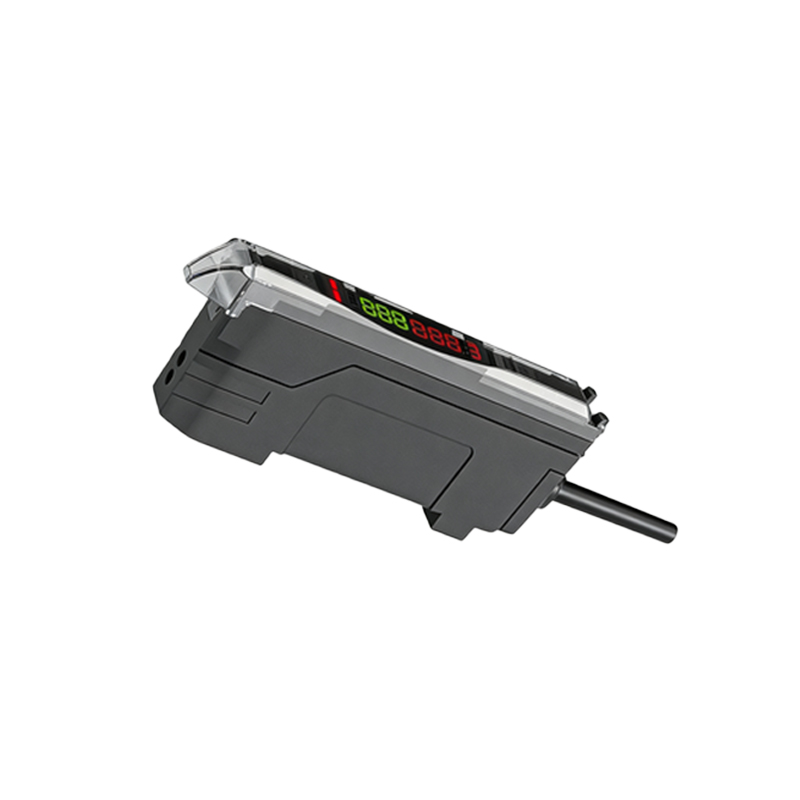
Choosing a sensor designed for harsh environments is the first line of defense. Key specifications to prioritize include a high Ingress Protection (IP) rating. For sustained water spray, a rating of IP67 is a minimum, while IP69K certifies the sensor can withstand high-pressure, high-temperature washdowns. The housing material is equally important; stainless steel (typically Type 316L) offers superior corrosion resistance compared to standard plastics or coated metals. Opt for sensors with a smooth, crevice-free design to prevent water pooling. Furthermore, consider the sensing mode. Through-beam sensors, while powerful, have two separate units and are doubly vulnerable. A polarized retro-reflective sensor can sometimes reject false signals from shiny wet surfaces better than a standard version. In many cases, a ruggedized diffuse sensor with advanced background suppression might be the most practical single-unit solution.
Effective Installation and Shielding Strategies
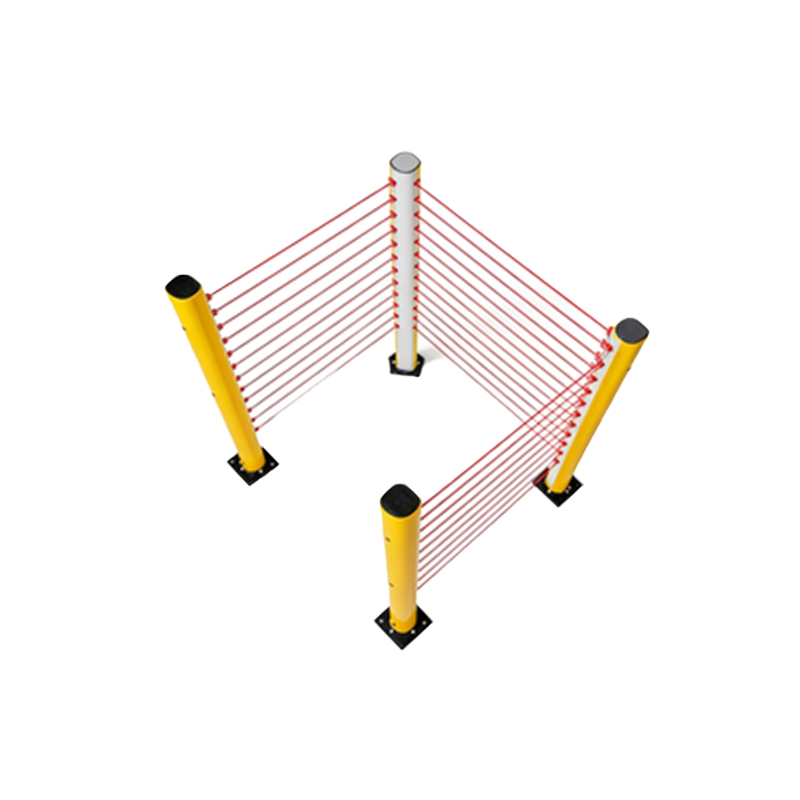
Proper installation can mitigate many water-related issues. Always mount the sensor in a location that minimizes direct exposure to spray. Angling the sensor downward can help water run off the lens naturally. Utilize protective accessories such as commercially available sensor hoods or shrouds that act as physical umbrellas. For through-beam systems, ensure both emitter and receiver are identically shielded. Creating custom brackets or baffles to deflect direct spray is a common and effective practice in machine design. Pay meticulous attention to cable management; use conduits and sealed cable glands (IP-rated) at the entry point to prevent water from traveling along the cable into the electrical connection or control cabinet. The integrity of the cable jacket itself must be suitable for wet conditions.
Routine Maintenance and Inspection Protocols
Even the most robust sensors require scheduled maintenance in wet environments. Establish a regular inspection checklist. Visually examine the sensor lens for water spots, mineral deposits, or film. Clean the lens gently with a soft, lint-free cloth and an appropriate cleaner (often isopropyl alcohol), avoiding abrasive materials that could scratch coatings. Inspect the housing for any cracks, corrosion on mounting hardware, or compromised seals. Check the tightness of cable glands and conduit connections. It is advisable to perform functional tests after major washdown cycles to verify the sensor still detects its target correctly. Keeping a log of sensor performance and maintenance can help identify patterns and predict failures before they cause a production stoppage.
Troubleshooting Common Water-Induced Failures
When a sensor fails in a wet application, a systematic approach is needed. Begin by verifying the failure mode: is it a constant "on" state, a constant "off" state, or an intermittent flicker? A constant "on" signal often indicates light scattering or refraction where enough diffuse light is reaching the receiver. A constant "off" signal suggests complete beam blockage or severe lens occlusion. Intermittent behavior typically points to moving water droplets intermittently interrupting the beam. Isolate the sensor by temporarily shielding it from direct spray with a temporary cover during testing. If performance returns to normal, the issue is environmental. Also, check for electrical problems: measure voltage at the sensor under load and inspect for signs of corrosion on pins or terminals that could increase resistance.
Advanced Solutions and Technological Considerations
For extremely challenging applications, consider advanced solutions. Sensors with a "teach-in" function or adjustable sensitivity can be fine-tuned to ignore the minor interference caused by a light water mist. Some modern sensors feature lens systems with hydrophobic coatings that cause water to bead up and roll off more easily. In critical processes, implementing a redundant sensing system—using two different sensing principles (e.g., a photoelectric sensor paired with an inductive proximity sensor)—can provide a failsafe. Always consult the sensor manufacturer's technical data for specific details on performance in wet conditions, as laboratory IP ratings and real-world performance on a vibrating machine can differ. The ultimate goal is to integrate the sensor as a protected component within a well-designed system, rather than relying on the sensor alone to withstand the environment.