Introduction to Modern Proximity Sensing
Proximity sensors have evolved from simple on/off switches into sophisticated, intelligent components integral to automation, robotics, and IoT systems. These non-contact devices detect the presence or absence of an object within a defined sensing range without physical contact. The latest generation of high-tech proximity sensors leverages advanced materials, digital signal processing, and smart connectivity to deliver unprecedented levels of accuracy, reliability, and functionality. Understanding their detailed specifications is crucial for engineers to select the optimal sensor for demanding industrial and commercial applications, ensuring system efficiency, safety, and longevity.
Core Sensing Technologies and Principles
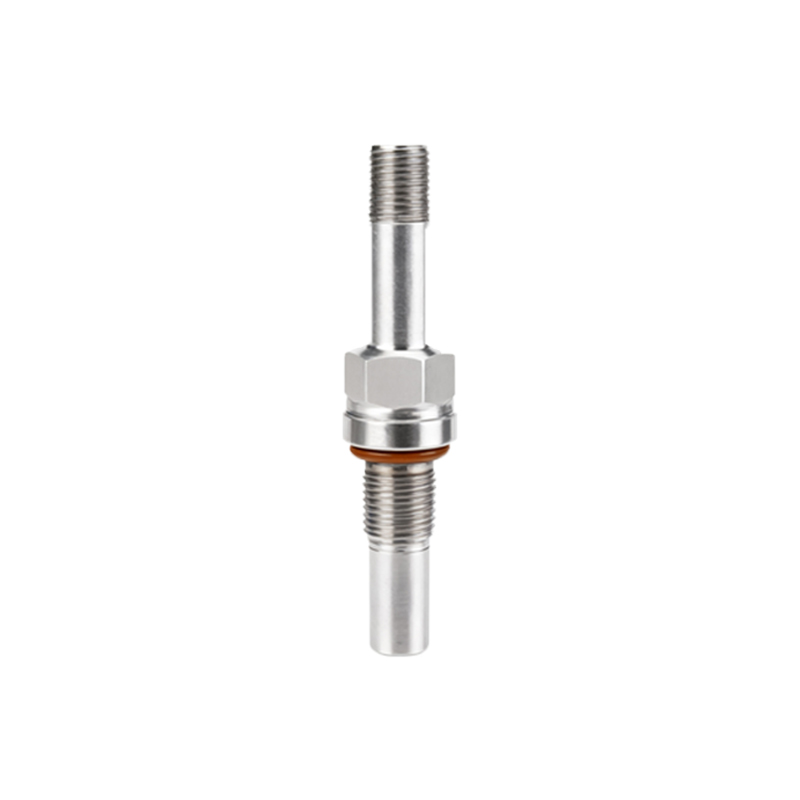
The performance and application suitability of a proximity sensor are fundamentally determined by its underlying technology. Inductive sensors are the workhorses for detecting metallic objects, utilizing an electromagnetic field generated by a coil and oscillator. Capacitive sensors can detect both metallic and non-metallic materials (liquids, plastics, wood) by measuring changes in capacitance. Ultrasonic sensors use sound waves to measure distance to objects of virtually any material, excelling in harsh environments. Photoelectric sensors, employing a light emitter and receiver, offer long sensing ranges and detect minute objects. Each technology has distinct advantages, with specifications varying dramatically between them, influencing choice based on target material, environmental conditions, and required precision.
Detailed Specification Breakdown: Electrical Parameters
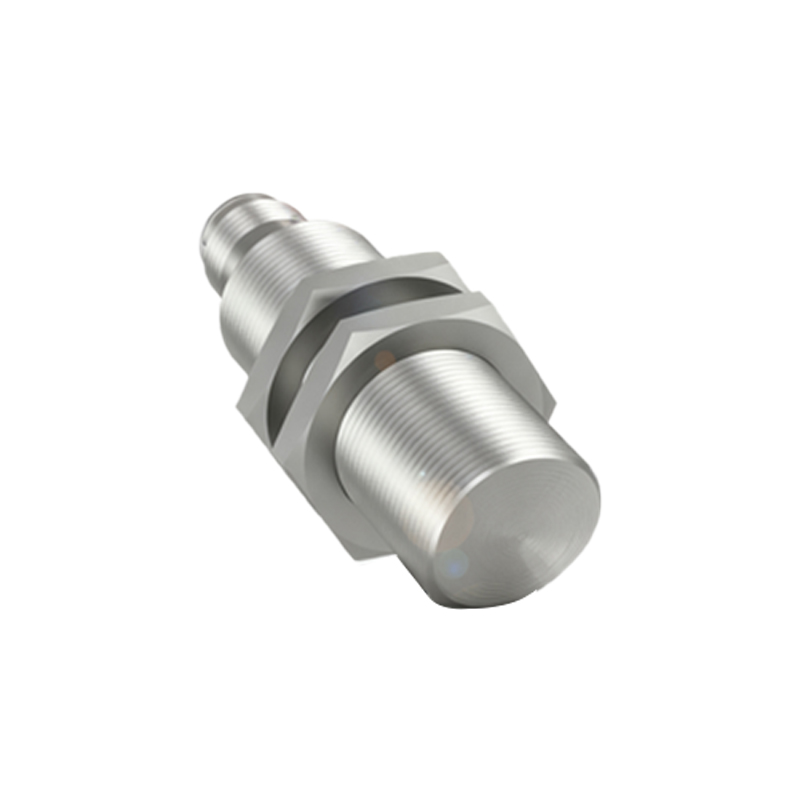
Electrical specifications define the sensor's interface with the control system. Supply voltage range (e.g., 10-30 VDC) indicates compatibility with standard industrial power. Current consumption is vital for energy-efficient designs. The output type is critical: NPN (sinking) or PNP (sourcing) transistor outputs, analog outputs (4-20 mA, 0-10 V), or IO-Link digital communication. Load current specifies the maximum current the output can switch. Response time, often in milliseconds or microseconds, defines how quickly the sensor can react to a target's presence. A fast response is essential for high-speed automation. Protection circuits against short-circuit, reverse polarity, and overload are key durability specs.
Detailed Specification Breakdown: Sensing Performance
Sensing performance parameters directly impact application success. Rated sensing distance (Sn) is the nominal range under standard conditions. Effective sensing distance considers real-world factors like temperature and supply voltage. Hysteresis is the difference between the operating point (when the sensor detects) and the release point (when the target is lost), preventing output chatter. Repeatability specifies the sensor's consistency in detecting the same target at the same point. Temperature drift indicates how much the sensing distance varies with ambient temperature changes. For analog sensors, resolution and linearity error are paramount for precise distance measurement.
Environmental and Mechanical Specifications
A sensor must survive its operating environment. Ingress Protection (IP) rating (e.g., IP67, IP69K) defines resistance to dust and water. Operating temperature range is essential for extreme environments. Housing material (e.g., stainless steel, PBT plastic) determines resistance to chemicals, oils, and physical impact. Connection types include pre-wired cables, quick-disconnect M8/M12 connectors, or terminal blocks. Shock and vibration resistance ratings ensure reliability in mobile or high-motion applications. For specific industries, certifications like UL, CE, ATEX (for explosive atmospheres), and FDA compliance may be mandatory specifications.
The Role of Smart Features and Connectivity
Modern high-tech sensors transcend basic detection. IO-Link communication transforms a sensor into an intelligent device, enabling parameter setting, real-time diagnostic data (temperature, operating hours), and advanced condition monitoring. Teach-in functionality allows easy adjustment of sensing parameters via a button or remote signal. Advanced models feature built-in diagnostics like overload indication, short-circuit warnings, and contamination alerts for lenses (in photoelectric sensors). These smart features facilitate predictive maintenance, reduce downtime, and integrate seamlessly into Industry 4.0 and IIoT frameworks, making detailed communication protocol specs increasingly important.
Application-Specific Selection Criteria
Selecting a sensor requires cross-referencing specifications with application needs. For high-speed packaging, prioritize fast response time and high repeatability. In metal machining, an inductive sensor with a welded stainless steel housing and high IP rating is ideal for coolant-rich areas. For transparent bottle detection on a filling line, a polarized retro-reflective photoelectric sensor with high immunity to ambient light is specified. In food and beverage, capacitive sensors with FDA-approved materials detect liquid levels. Engineers must create a checklist: target material, required sensing distance, environmental hazards, output needs, and mounting constraints to navigate specification sheets effectively.
Future Trends and Conclusion
The future of proximity sensing points toward greater miniaturization, enhanced intelligence, and