Understanding Proximity Sensor Fundamentals
Proximity sensors are indispensable components in modern industrial automation, providing non-contact detection of objects within a defined sensing range. Their primary function is to detect the presence or absence of a target without physical contact, thereby eliminating mechanical wear and enabling high-speed, reliable operation. The core operating principle involves generating an electromagnetic field, ultrasonic beam, or light beam and detecting changes caused by a target entering the sensing zone. Key parameters defining their basic operation include sensing distance, repeat accuracy, response frequency, and environmental resistance. A thorough grasp of these fundamentals is the critical first step in the selection process, ensuring the chosen sensor technology aligns with the fundamental detection requirement.
Defining the Application Requirements
A precise definition of the application is paramount. Engineers must first identify the target material—whether it is ferrous metal (e.g., steel, iron), non-ferrous metal (e.g., aluminum, copper), or non-metallic (e.g., plastic, wood, liquid). The required sensing distance, including any necessary safety margin, must be calculated, considering both the nominal sensing distance and factors like temperature drift. The physical characteristics of the target, such as size, shape, and possible surface coatings, significantly influence sensor performance. Furthermore, the operational environment must be scrutinized for ambient temperature extremes, presence of dust, oil, coolants, or chemical vapors, and potential exposure to strong electromagnetic interference or vibration.
Selecting the Appropriate Sensor Technology
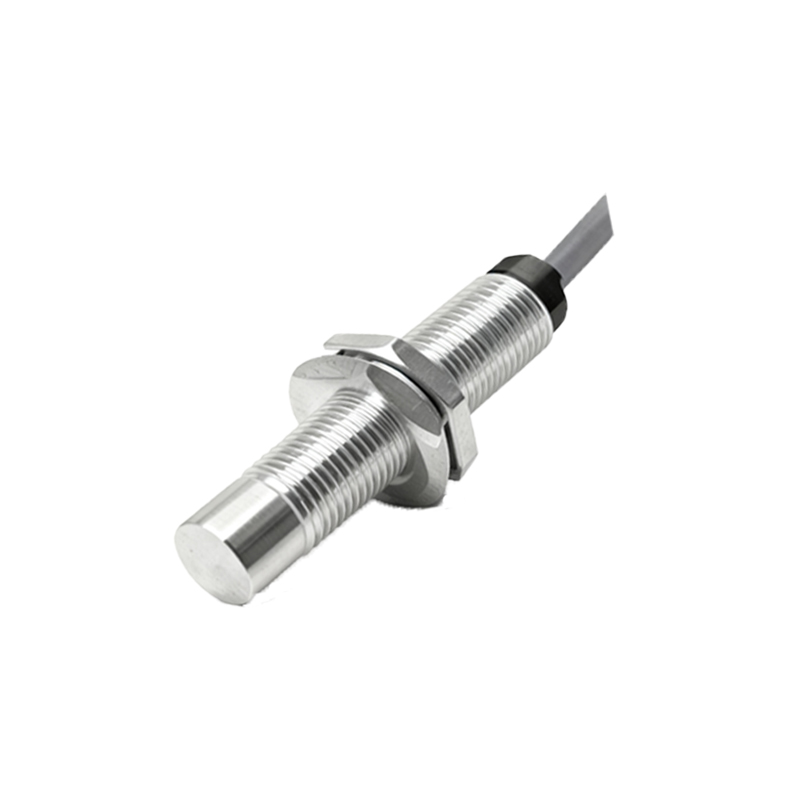
Based on the application definition, the optimal sensing technology must be selected. Inductive sensors are exclusively for detecting metallic objects, offering high precision and robustness for metal targets. Capacitive sensors can detect both metallic and non-metallic materials, including liquids and granular substances, making them suitable for level detection or material presence sensing. Ultrasonic sensors excel in long-range detection and are unaffected by color or transparency, ideal for distance measurement or detecting irregularly shaped objects. Photoelectric sensors, utilizing light beams, offer the longest ranges and can detect virtually any material, but their performance can be impacted by environmental contaminants like dust or fog.
Evaluating Key Performance Specifications
Once the technology is chosen, detailed performance specifications must be evaluated against the application demands. The rated operating distance (Sn) is the nominal sensing range under standardized conditions; the effective or real operating distance must account for temperature, voltage variations, and target material. Repeat accuracy defines the sensor's consistency in detecting the same target at the same point. Response time and switching frequency determine how fast the sensor can detect objects in high-speed applications. Environmental ratings, particularly Ingress Protection (IP) codes for dust and water resistance and National Electrical Manufacturers Association (NEMA) ratings, are critical for longevity in harsh industrial settings.
Electrical Output and Connection Considerations
The electrical interface is a crucial selection criterion. The output type must be specified: DC PNP (sourcing) or NPN (sinking) transistor outputs, AC/DC two-wire configurations, or analog outputs (4-20mA, 0-10V) for distance-proportional signals. The output configuration—normally open (NO) or normally closed (NC)—must match the control logic of the system. Wiring and connection methods, such as pre-wired cables, quick-disconnect connectors, or terminal connections, impact installation time and maintenance ease. Compatibility with the available power supply voltage (e.g., 10-30V DC, 90-250V AC) is essential for stable operation.
Mechanical Design and Installation Factors
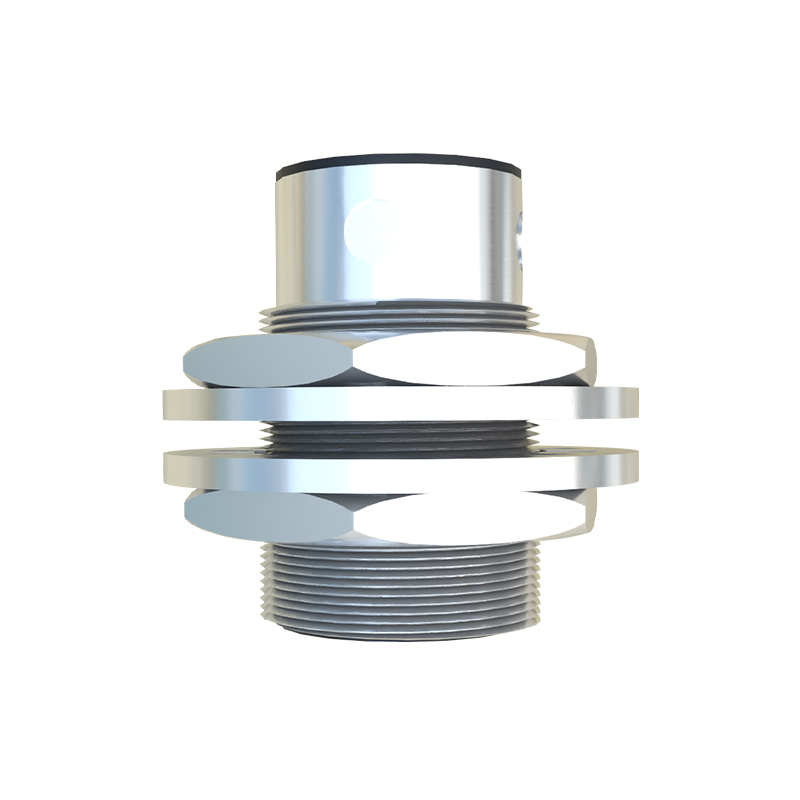
The physical form factor must suit the installation space and mounting requirements. Common housing shapes include cylindrical barrels in various thread sizes (e.g., M8, M12, M18, M30), rectangular block styles, and slot-style sensors. The housing material, typically nickel-plated brass, stainless steel, or plastic (PBT), must withstand environmental exposure and potential mechanical impact. Factors like flush-mountability (shielded) or non-flush mount (unshielded) capabilities affect the sensing distance and installation proximity to metal surfaces. Proper mounting hardware and ensuring adequate clearance around the sensing face are vital for optimal performance.
Compliance with Standards and Certifications
Adherence to international and regional standards is non-negotiable for safety, reliability, and market acceptance. Key standards include International Electrotechnical Commission (IEC) standards for performance and safety, Underwriters Laboratories (UL) and Canadian Standards Association (CSA) certifications for North America, and Conformité Européenne (CE) marking for the European market, indicating compliance with relevant EU directives. For specific industries like food and beverage or pharmaceuticals, sensors may require specific hygienic design certifications (e.g.,