Introduction to 3065 Photoelectric Sensor
The 3065 photoelectric sensor represents a cornerstone in modern industrial automation, offering reliable object detection across diverse manufacturing and processing environments. As a versatile non-contact sensing solution, it operates by emitting a light beam—typically infrared, visible red, or laser—and detecting changes in the received light intensity caused by the presence or absence of a target object. The 3065 series is engineered for robustness, featuring durable housings that withstand harsh conditions including dust, moisture, and mechanical vibrations. Its design prioritizes ease of installation and integration, with adjustable sensing ranges and multiple output configurations to suit various control systems. Industries ranging from packaging and material handling to automotive assembly and food processing rely on these sensors for precise detection, counting, positioning, and quality control tasks, ensuring seamless operational flow and enhanced productivity.
Core Operating Principles and Technologies
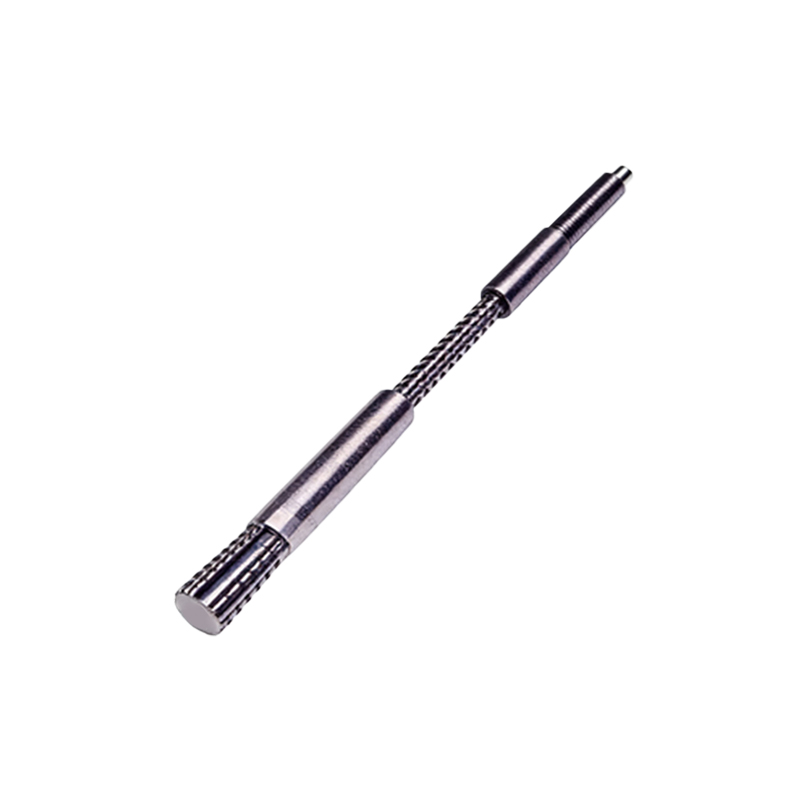
At the heart of the 3065 photoelectric sensor lies its ability to convert light signals into electrical outputs. It primarily utilizes one of three sensing modes: through-beam, retro-reflective, or diffuse reflective. In through-beam mode, the sensor consists of separate emitter and receiver units; an object is detected when it interrupts the light beam traveling between them, allowing for long-range and highly accurate detection. Retro-reflective mode employs a single unit that emits light toward a reflector, detecting objects that block the reflected beam. Diffuse reflective mode, also a single-unit design, detects objects based on the light scattered back from the target itself, ideal for close-range applications. Advanced models in the 3065 series may incorporate background suppression or foreground suppression technologies, enabling precise detection regardless of object color, reflectivity, or background interference. These sensors often feature adjustable sensitivity potentiometers or teach-in functions for quick calibration, ensuring optimal performance in dynamic industrial settings.
Key Technical Specifications and Performance Metrics
Understanding the technical parameters of the 3065 photoelectric sensor is crucial for proper selection and application. Key specifications include sensing distance, which varies by model and mode—through-beam types may offer ranges up to several meters, while diffuse types are typically shorter. Response time, measured in milliseconds, determines how quickly the sensor can detect changes and trigger outputs, critical for high-speed production lines. Light sources are another consideration: infrared LEDs provide invisible detection resistant to ambient light interference, red LEDs offer visible beam alignment aids, and laser diodes enable extremely precise spotting. The sensor's housing material, usually stainless steel or rugged thermoplastic, defines its ingress protection (IP) rating, such as IP67 for dust and water resistance. Electrical characteristics encompass operating voltage ranges (commonly 10-30V DC), output types (PNP/NPN, analog, or IO-Link), and load current capacity. Environmental ratings for temperature, humidity, and shock/vibration tolerance ensure reliability under strenuous conditions.
Installation, Alignment, and Configuration Best Practices
Proper installation is paramount to maximizing the 3065 sensor's efficacy. Mounting should be secure to minimize misalignment from vibrations, with brackets or adjustable holders facilitating precise positioning. For through-beam sensors, careful alignment of emitter and receiver is essential; many units include alignment indicators or audible signals to assist. In retro-reflective setups, ensuring the reflector is clean and correctly angled guarantees optimal reflection. Diffuse sensors require consideration of the target's size, color, and surface texture, as these affect reflectivity. Configuration involves setting parameters like sensitivity, response delay, and output logic via built-in potentiometers, pushbuttons, or external programming tools. Environmental factors must be addressed: shielding the sensor from intense ambient light, cleaning lenses regularly to prevent dust buildup, and avoiding cross-talk between multiple sensors by using modulated light sources or physical barriers. Regular functional checks and calibration maintain long-term accuracy.
Common Industrial Applications and Use Cases
The 3065 photoelectric sensor finds extensive application across industrial sectors due to its adaptability. In conveyor systems, it detects product presence for counting, sorting, or triggering downstream processes. Packaging machinery utilizes these sensors to verify label placement, monitor fill levels, or detect jam conditions. Automotive assembly lines employ them for part verification, robot guidance, and safety curtain monitoring. In the food and beverage industry, sensors with hygienic designs detect containers on filling lines or control cap placement. Additional uses include detecting transparent objects like glass or plastic films, monitoring web tension in printing, and ensuring correct positioning in CNC machinery. Specialized variants with high-temperature tolerance or chemical-resistant coatings serve in foundries or chemical plants. The integration of smart features like IO-Link communication enables predictive maintenance, parameter monitoring, and seamless data exchange with PLCs, supporting Industry 4.0 initiatives.
Maintenance, Troubleshooting, and Longevity Tips
To ensure sustained performance, routine maintenance of the 3065 sensor is recommended. Periodically inspect the lens for contamination and clean with a soft cloth and appropriate cleaner. Verify mounting stability and alignment, especially after equipment maintenance or relocation. Electrical connections should be checked for corrosion or looseness. Common issues include false triggering, which may stem from environmental interference, incorrect sensitivity settings, or dirty optics. Failure to detect objects could indicate misalignment, inadequate sensing range, or a faulty power supply. Using diagnostic tools like LED status indicators helps identify problems: a steady light may denote power, while flashing patterns signal specific errors. For enhanced longevity, operate within specified temperature and voltage ranges, avoid mechanical stress on cables, and implement surge protection in electrically noisy environments. Keeping spare sensors on hand and documenting calibration settings minimizes downtime during replacements.
Advancements and Future Trends in Photoelectric Sensing
The evolution of photoelectric sensors like the 3065 series continues to align with industrial digitalization. Recent advancements include miniaturization for space-constrained applications, enhanced energy efficiency, and improved resistance to challenging conditions like extreme temperatures or oily atmospheres. Integration of advanced optics and algorithms allows for better discrimination between similar objects or colors. The growing adoption of IO-Link facilitates seamless integration into industrial IoT networks, enabling remote configuration, real-time diagnostics, and data analytics for predictive maintenance. Future trends may see increased use of multi-functional sensors that combine photoelectric sensing with proximity, distance measurement, or vision capabilities. As industries strive for greater automation and precision, the 3065 sensor and its successors will remain pivotal, driven by innovations in connectivity, intelligence, and robustness to meet the demands of smart factories and sustainable manufacturing practices.