Introduction to Photoelectric Sensors
Photoelectric sensors are essential components in modern automation and control systems, utilizing light beams to detect the presence, absence, or distance of objects. These sensors operate by emitting a light source—typically infrared, visible, or laser—and measuring the reflected or interrupted light to trigger an output signal. Their versatility allows applications across diverse industries, including manufacturing, packaging, automotive, and logistics. Engineers rely on photoelectric sensors for tasks such as object counting, positioning, and quality inspection due to their non-contact nature, high speed, and reliability. Understanding the various models and their visual characteristics is crucial for selecting the right sensor for specific operational needs. This guide provides an in-depth look at popular photoelectric sensor models, accompanied by images to aid in identification and application.
Through-Beam Photoelectric Sensors
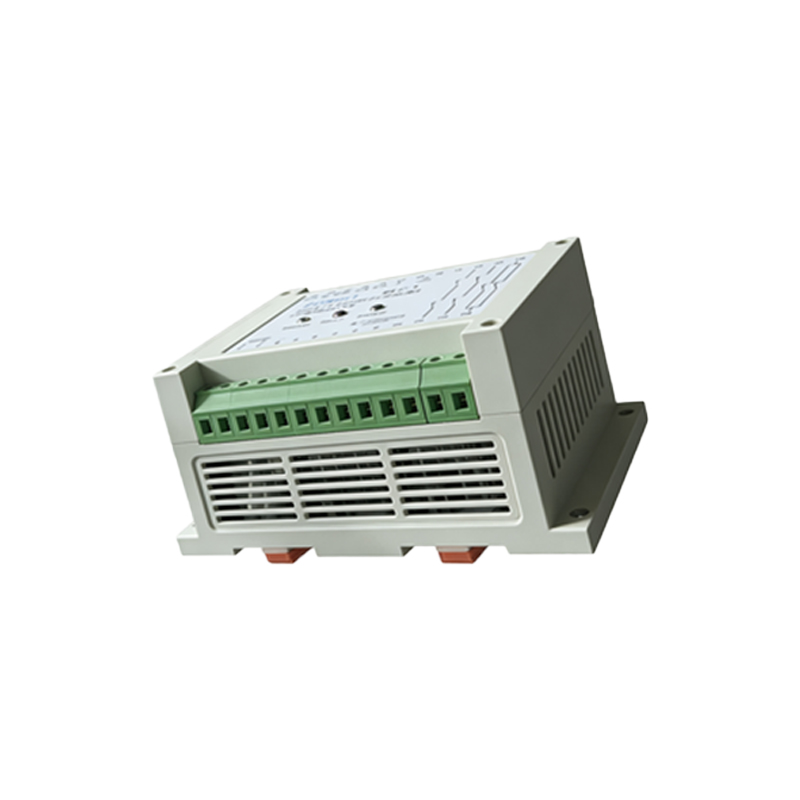
Through-beam sensors, also known as opposed-mode sensors, consist of separate emitter and receiver units placed opposite each other. The emitter projects a continuous light beam to the receiver, and an object is detected when it interrupts this beam. These sensors offer the longest sensing ranges and high accuracy, making them ideal for detecting opaque objects in challenging environments. Common models include the Omron E3Z-T series and the SICK WL12 series, which feature robust housings for industrial use. Images of through-beam sensors typically show two distinct components: a compact emitter with a lens and a matching receiver, often in cylindrical or rectangular shapes. They are widely used in conveyor systems, security barriers, and large-scale automation where reliable detection over distances up to several meters is required.
Retroreflective Photoelectric Sensors
Retroreflective sensors combine the emitter and receiver in a single housing, using a reflector to bounce the light beam back. When an object blocks the beam between the sensor and reflector, detection occurs. These models provide easier installation than through-beam sensors while maintaining moderate sensing ranges. Examples include the Keyence B5W series and the Banner QS18 series, which often come with polarized filters to ignore shiny objects. In images, retroreflective sensors appear as single units with dual lenses for emitting and receiving light, and they are commonly paired with triangular or round reflectors. Applications include packaging lines, door control systems, and material handling where space is limited but reliable performance is needed.
Diffuse Reflective Photoelectric Sensors
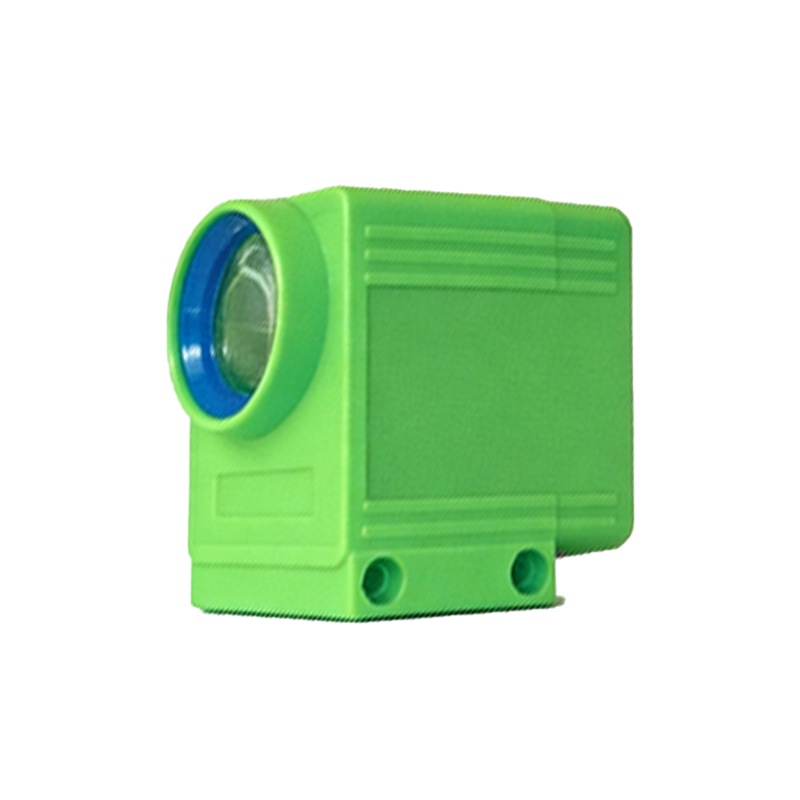
Diffuse reflective sensors, or proximity-mode sensors, have integrated emitters and receivers that detect objects by measuring light reflected directly off the target's surface. They are simpler to install as they require only one unit and no separate reflector, but their sensing range is shorter and can be affected by object color and texture. Popular models like the Panasonic CX-400 series and the Schneider Electric XU series feature adjustable sensitivity for varied surfaces. Images show compact, single-housing sensors with a front-facing lens, often designed for easy mounting on machinery. These sensors are suited for tasks such as detecting objects on assembly lines, monitoring fill levels in containers, and presence sensing in robotics.
Background Suppression Sensors
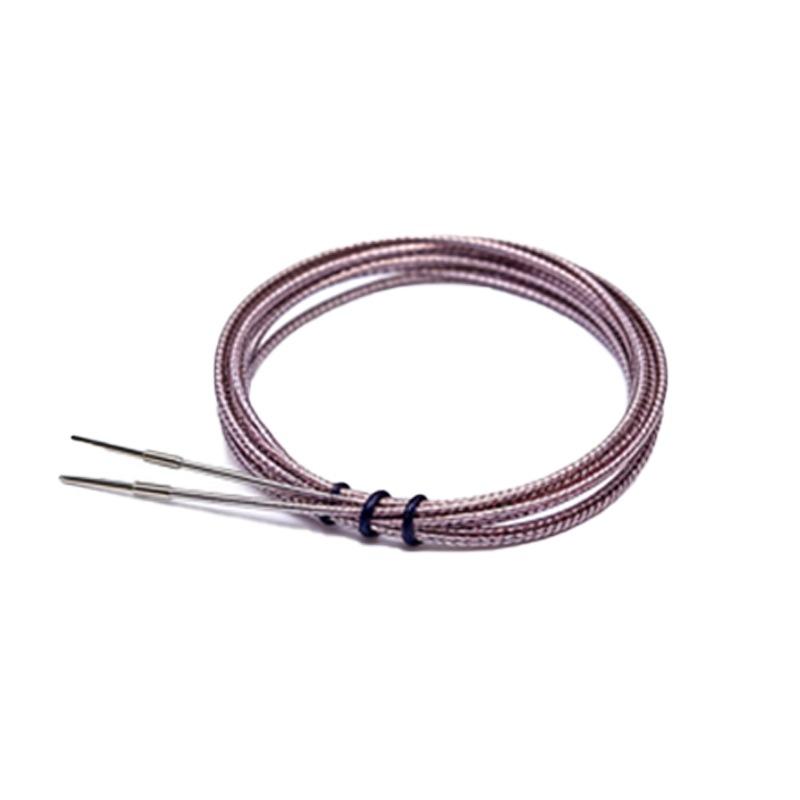
Background suppression sensors are a specialized type of diffuse sensor that uses triangulation to ignore objects beyond a set distance, focusing only on targets within a specific range. This makes them excellent for detecting objects against busy backgrounds or varying surfaces. Models such as the SICK DT35 series and the Omron E3Z-L series offer precise detection with adjustable sensing windows. In pictures, these sensors resemble standard diffuse models but may include additional controls for range setting. They are frequently used in automotive manufacturing, electronics assembly, and logistics for precise positioning and sorting applications.
Fiber Optic Photoelectric Sensors
Fiber optic photoelectric sensors use flexible fiber optic cables to transmit light between the emitter and receiver, allowing detection in tight or hazardous spaces where traditional sensors cannot fit. The sensing head can be miniaturized, and the amplifier unit is remotely located. Common models include the Keyence FU series and the Banner D10 series, which offer various cable types for different environments. Images typically display a small sensing tip connected to a larger amplifier via thin cables, highlighting their adaptability. These sensors are ideal for high-temperature areas, small part detection in electronics, and medical device manufacturing.
Laser Photoelectric Sensors
Laser photoelectric sensors employ focused laser beams for high-precision detection, offering narrow beam spots and long ranges with minimal divergence. They are perfect for applications requiring exact measurements or small object detection. Examples include the SICK LMS series and the Omron E3C-L series, which provide sub-millimeter accuracy. Photos show sensors with a distinct laser emission point, often in compact housings for industrial durability. Engineers use laser sensors in semiconductor fabrication, precision alignment, and quality control where detailed inspection is critical.
Selection Criteria and Visual Identification
Choosing the right photoelectric sensor involves considering factors such as sensing range, environmental conditions (e.g., dust, moisture), response time, and output type (e.g., NPN, PNP). Images play a key role in visual identification: look for housing shape, lens configuration, and labeling to distinguish models. For instance, through-beam sensors have two separate units, while diffuse types are single-bodied. Always refer to manufacturer datasheets for specifications and ensure compatibility with your system. By matching model features to application needs, engineers can optimize performance and reliability in automated processes.
Conclusion and Industry Trends
Photoelectric sensors continue to evolve with advancements in technology, such as IoT integration for smart monitoring and enhanced durability for harsh environments. Models are becoming more compact, energy-efficient, and versatile, with improved image resources available online for easy reference. Engineers should stay updated on new releases from leading brands like SICK, Omron, and Keyence to leverage the latest innovations. By understanding the various models and their visual cues, professionals can make informed decisions that enhance automation efficiency and safety across industries.