Introduction to Magnetic Proximity Sensors
Magnetic proximity sensors, often referred to as proximity switches, are essential components in modern industrial automation and control systems. These devices detect the presence or absence of a magnetic field, typically generated by a permanent magnet or an electromagnet, without any physical contact. The core principle relies on the interaction between a magnetic field and the sensor's internal elements, which triggers an electrical signal when a target object enters the sensing range. Widely used in applications such as position detection, limit switching, and safety interlocks, magnetic proximity sensors offer high reliability, long operational life, and resistance to harsh environmental conditions like dust, moisture, and vibration. Their non-contact nature minimizes wear and tear, making them ideal for repetitive operations in manufacturing, automotive, and robotics industries.
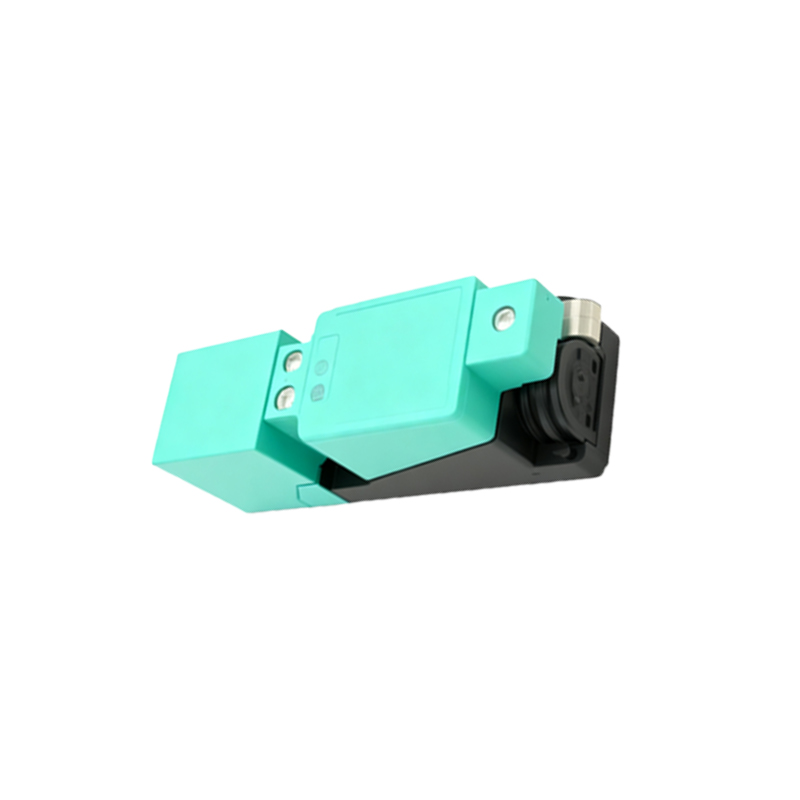
Core Components and Magnetic Field Interaction
A magnetic proximity sensor consists of several key components: a sensing element (usually a reed switch or Hall-effect sensor), a magnet or magnetic target, and an electronic circuit for signal processing. The sensing element is the heart of the device, responding to changes in the magnetic field. When a magnetic target approaches the sensor, the magnetic flux density increases, causing the sensing element to activate. For instance, in a reed switch-based sensor, the magnetic field causes two ferromagnetic reeds inside a sealed glass tube to attract each other, closing an electrical circuit. In Hall-effect sensors, the magnetic field generates a voltage difference across a semiconductor material, which is then amplified to produce a switch output. The strength and orientation of the magnetic field are critical, as they determine the sensing distance and accuracy.
Working Principle Based on Reed Switch Technology
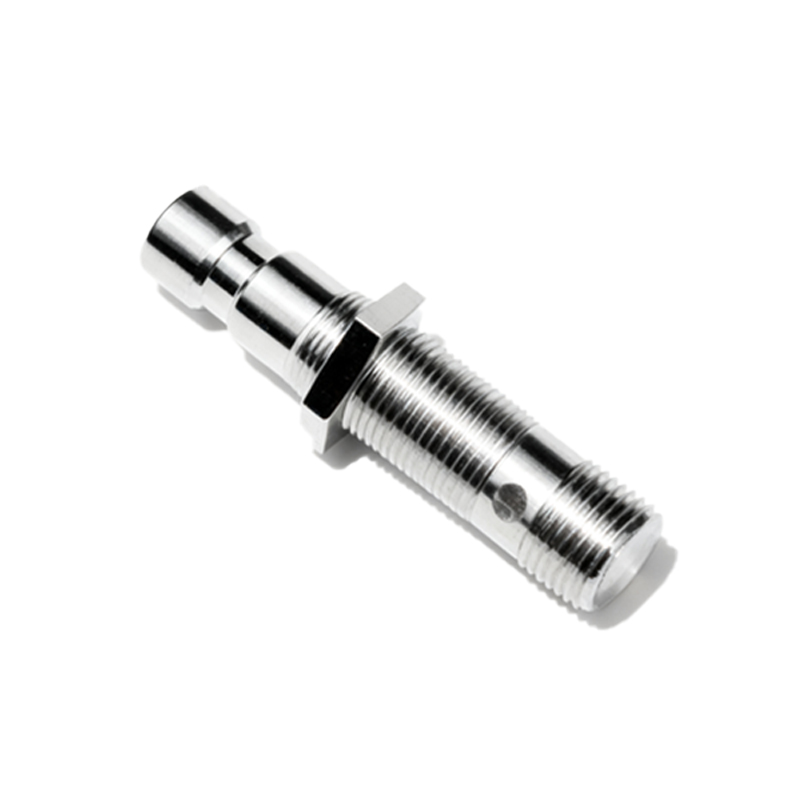
Reed switch magnetic proximity sensors operate on a simple yet effective mechanism. The reed switch comprises two thin, flexible metal reeds made of ferromagnetic material, enclosed in a hermetically sealed glass capsule filled with inert gas. In the absence of a magnetic field, the reeds remain separated, keeping the circuit open. When a magnet moves within the sensor's detection range, the magnetic field magnetizes the reeds, causing them to bend and make contact. This closes the circuit, allowing current to flow and signaling the presence of the target. The switch returns to its open state once the magnet moves away. Reed switches are known for their low power consumption, fast response times, and ability to handle both AC and DC loads. However, they may be susceptible to mechanical shock and have a limited switching frequency compared to solid-state alternatives.
Working Principle Based on Hall-Effect Technology
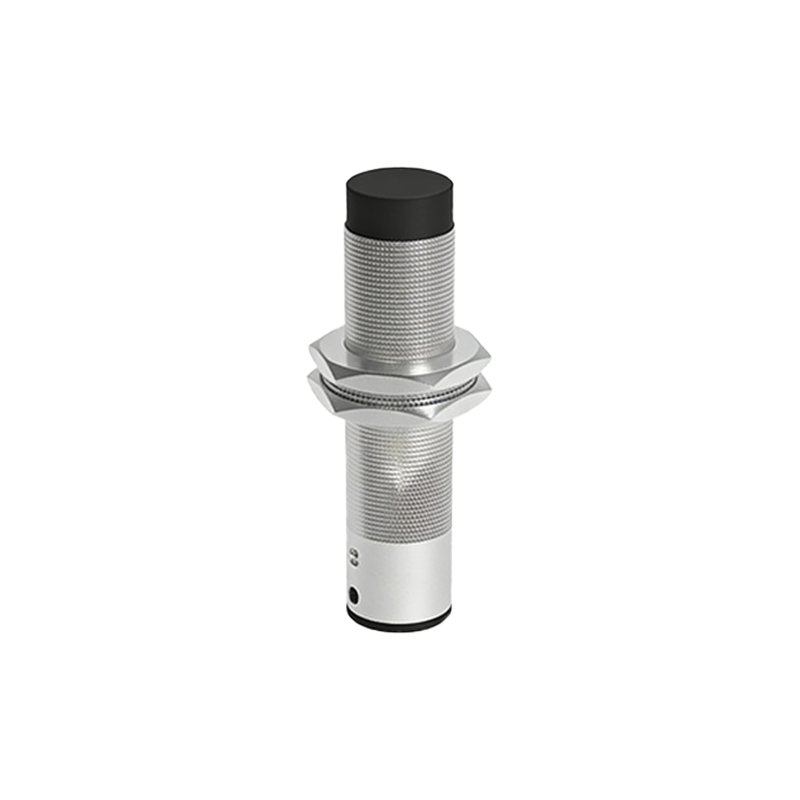
Hall-effect magnetic proximity sensors utilize the Hall effect, discovered by Edwin Hall in 1879, to detect magnetic fields. These sensors contain a thin semiconductor plate (such as gallium arsenide) through which a constant control current flows. When exposed to a perpendicular magnetic field from an approaching target, the Lorentz force deflects the charge carriers, creating a voltage difference (Hall voltage) across the plate. This voltage is proportional to the magnetic field strength and is processed by integrated circuitry to generate a digital or analog output signal. Hall-effect sensors offer advantages like higher precision, greater durability (no moving parts), and the ability to detect both the presence and strength of a magnetic field. They are commonly used in speed sensing, brushless DC motors, and position feedback systems, where accuracy and repeatability are paramount.
Factors Influencing Sensor Performance
Several factors impact the performance and selection of magnetic proximity sensors. Sensing distance, or the maximum range at which the sensor can detect a magnetic target, depends on the magnet's strength, sensor sensitivity, and environmental interferences. Temperature variations can affect magnetic properties and electronic components, so sensors are often rated for specific operating ranges. Shielding from external magnetic fields is crucial to prevent false triggers, especially in dense industrial setups. Additionally, the target material and size influence detection reliability; for example, ferromagnetic materials enhance magnetic coupling, while non-magnetic metals may require specialized sensors. Engineers must also consider output types (e.g., NPN/PNP, NO/NC) and electrical specifications to ensure compatibility with control systems.
Applications and Industry Use Cases
Magnetic proximity sensors find diverse applications across various sectors due to their robustness and versatility. In automotive manufacturing, they monitor door positions, seat belt engagement, and gearbox operations. In industrial machinery, they serve as limit switches for conveyor belts, robotic arms, and safety gates, preventing collisions and ensuring precise movements. The food and beverage industry employs them in packaging lines to detect container presence, while in renewable energy, they assist in wind turbine blade positioning. Their ability to function in extreme conditions makes them suitable for outdoor equipment and marine environments. As automation advances, these