Introduction to Proximity Switch Potting
In the demanding environments of industrial automation, proximity switch sensors are critical components for non-contact detection. These sensors, however, are often exposed to harsh conditions such as moisture, dust, chemical splashes, vibration, and mechanical shock. To ensure reliable and long-lasting operation, a key manufacturing process called potting, or encapsulation, is employed. This process involves filling the sensor's housing with a liquid compound that cures into a solid, protective gel or resin. The primary goal is to create a robust barrier that shields the sensitive internal electronics from external threats, thereby enhancing the sensor's durability and performance integrity.
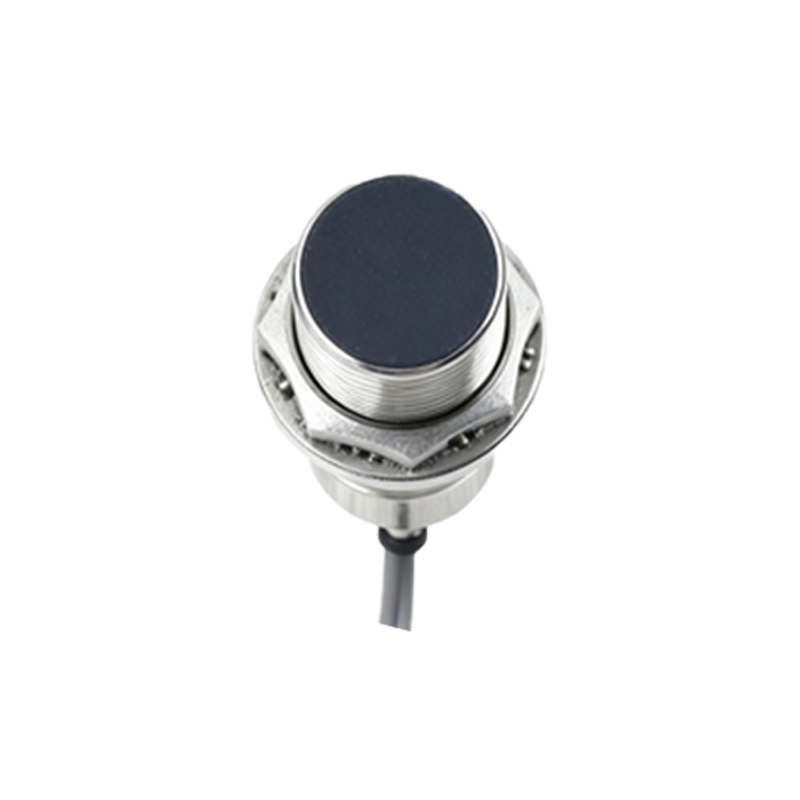
Protection Against Environmental Hazards
The most immediate and vital function of potting is environmental sealing. Moisture and condensation are among the leading causes of electrical failure in sensors. Potting compounds form a hermetic seal that prevents water ingress, safeguarding circuit boards, coils, and semiconductor components from short circuits and corrosion. Similarly, the encapsulation acts as a shield against conductive dust and particulate matter, which could otherwise bridge electrical connections and cause malfunctions. In applications involving washdowns or exposure to oils, coolants, and mild chemicals, the right potting material resists penetration, ensuring the sensor continues to operate in food processing, pharmaceutical, or automotive manufacturing settings.
Enhanced Mechanical Stability and Vibration Dampening
Industrial machinery generates significant vibration and mechanical stress. Without internal support, delicate components like solder joints, wire bonds, and miniature chips can fatigue and fail over time. Potting compound fills all voids within the sensor housing, securely immobilizing every internal part. This provides exceptional mechanical strength, distributing stress evenly and preventing movement that could lead to broken connections. The material also acts as an excellent vibration damper, absorbing and dissipating kinetic energy that would otherwise be transmitted directly to the electronic assemblies. This stabilization is crucial for sensors used on moving platforms, heavy equipment, or in transportation systems.
Improved Electrical Insulation and Thermal Management
Potting compounds are formulated with high dielectric strength, providing superior electrical insulation. This prevents arcing between closely spaced conductive traces and raises the sensor's resistance to high-voltage spikes or surges that may occur in industrial power systems. Furthermore, many modern potting materials offer beneficial thermal properties. They can help conduct heat away from heat-generating components, such as power regulation circuits, and distribute it across the housing for dissipation. While not a primary heatsink, this thermal management helps maintain optimal operating temperatures, preventing thermal runaway and extending the lifespan of electronic components.
Selection of Potting Materials and Considerations
The effectiveness of potting hinges on selecting the appropriate material. Common choices include silicone gels, polyurethanes, and epoxies. Silicones offer excellent flexibility, a wide temperature range, and good moisture resistance, making them suitable for sensors exposed to thermal cycling. Polyurethanes provide a balance of toughness, flexibility, and good chemical resistance. Epoxies deliver the highest mechanical strength and rigidity, along with superior chemical resistance, but can be more brittle. Engineers must consider factors like cure time, viscosity for complete filling, adhesion to internal materials, and the operational temperature range. An improper choice can lead to stress cracking, delamination, or inadequate protection.
Impact on Sensor Performance and Longevity
Properly executed potting directly translates to enhanced field performance and reduced total cost of ownership. By mitigating environmental and mechanical failures, potting dramatically increases the Mean Time Between Failures (MTBF) of proximity sensors. This results in fewer unscheduled downtimes, lower maintenance costs, and greater overall system reliability. The initial investment in high-quality potting is offset by the extended service life and consistent accuracy of the sensor. It allows proximity switches to be deployed in more challenging applications, expanding their utility across industries from metalworking and packaging to outdoor agricultural and maritime equipment.
Conclusion and Industry Outlook
In conclusion, potting is not merely an optional manufacturing step but a fundamental engineering practice for industrial-grade proximity switch sensors. It is the invisible guardian that ensures signal integrity, operational safety, and longevity in real-world conditions. As industries push towards smarter factories and more extreme applications, the role of advanced potting materials and techniques will only grow. Ongoing development in materials science promises new compounds with self-healing properties, better thermal conductivity, and enhanced environmental resistance, further solidifying potting's critical role in sensor technology and industrial automation reliability.