Introduction to Photoelectric Sensors
Photoelectric sensors are indispensable components in modern industrial automation, offering non-contact detection of objects through the use of light beams. These sensors operate by emitting a light source—typically infrared, visible red, or laser—and detecting changes in the received light intensity caused by the presence, absence, or distance of an object. Their applications span across manufacturing, packaging, material handling, and safety systems, where precision, reliability, and speed are paramount. Import photoelectric sensors, in particular, are sought after for their advanced technology, durability, and compliance with international standards, making them a preferred choice for wholesale procurement in global markets.
Key Features of High-Quality Import Sensors
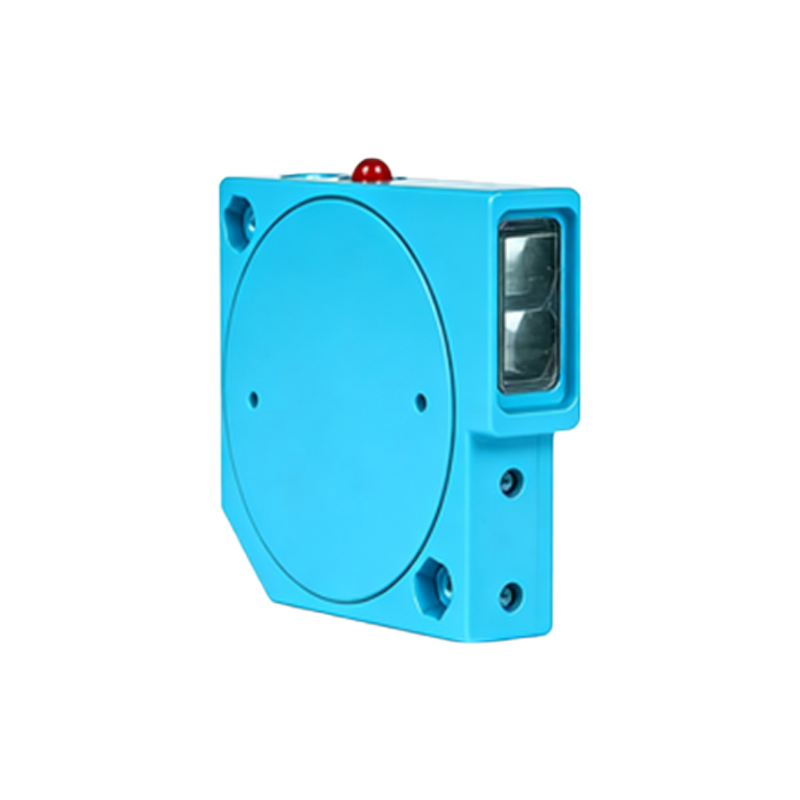
When sourcing photoelectric sensors through wholesale channels, it is crucial to evaluate specific features that determine performance and longevity. Top-tier import sensors often incorporate robust housing materials such as stainless steel or engineered plastics, ensuring resistance to harsh industrial environments including dust, moisture, and temperature fluctuations. Advanced models offer adjustable sensing ranges, high switching frequencies, and programmable logic for customized applications. Additionally, features like background suppression, polarized filters, and fiber optic compatibility enhance their versatility in detecting challenging materials like transparent or reflective objects.
Benefits of Wholesale Procurement for Businesses
Opting for wholesale procurement of import photoelectric sensors presents significant advantages for businesses aiming to optimize costs and streamline supply chains. Bulk purchasing reduces per-unit costs, leading to substantial savings for large-scale automation projects or inventory stocking. Wholesale suppliers often provide technical support, volume discounts, and flexible logistics options, ensuring timely delivery and minimal downtime. Moreover, establishing long-term partnerships with reputable wholesalers can grant access to the latest sensor technologies, firmware updates, and industry-specific solutions, fostering competitive edge in dynamic markets.
Selecting the Right Wholesale Supplier
Choosing a reliable wholesale supplier for import photoelectric sensors requires careful consideration of several factors. First, verify the supplier’s certifications and adherence to quality standards such as ISO, CE, or UL, which guarantee product safety and performance. Evaluate their product portfolio to ensure compatibility with your application needs, including sensor types like through-beam, retro-reflective, or diffuse reflective. Customer reviews, lead times, and after-sales services—such as warranty coverage and repair options—are also critical indicators of supplier reliability. Engaging with suppliers who offer sample testing or on-site demonstrations can further mitigate risks.
Applications in Industrial Automation
Import photoelectric sensors play a pivotal role in diverse industrial automation scenarios. In conveyor systems, they detect object positions to control sorting and routing, enhancing efficiency in logistics. Packaging lines utilize these sensors for precise counting, fill-level monitoring, and label verification, reducing waste and errors. In automotive assembly, sensors ensure component alignment and safety by monitoring robotic movements. Emerging applications include smart warehouses, where sensors integrate with IoT platforms for real-time inventory tracking, and renewable energy sectors, such as solar panel positioning systems.
Maintenance and Troubleshooting Tips
To maximize the lifespan and accuracy of import photoelectric sensors, regular maintenance is essential. Keep lens surfaces clean from dust or debris using soft, lint-free cloths to prevent false triggers or signal attenuation. Periodically inspect wiring connections for corrosion or looseness, especially in humid or vibrating environments. Calibrate sensors according to manufacturer guidelines, particularly after installation changes or environmental shifts. Common issues like intermittent operation may stem from power supply fluctuations or electromagnetic interference; employing shielded cables and stable voltage sources can mitigate these problems.
Future Trends in Sensor Technology
The photoelectric sensor industry is evolving rapidly, driven by innovations in miniaturization, connectivity, and intelligence. Future import sensors are expected to incorporate IoT capabilities, enabling wireless communication and data analytics for predictive maintenance. Enhanced sensitivity and resolution will allow detection of smaller objects or finer details, expanding applications in electronics and pharmaceuticals. Additionally, energy-efficient designs and sustainable materials will align with global green initiatives. Wholesale buyers should stay informed about these trends to invest in forward-compatible solutions that adapt to evolving automation demands.