Introduction to Magnetic Proximity Sensors
Magnetic proximity sensors are essential components in modern industrial automation, widely used for detecting the presence or absence of ferromagnetic objects without physical contact. These sensors operate based on the principles of magnetism, offering reliable performance in harsh environments where dust, moisture, or temperature extremes might compromise other sensing technologies. Unlike inductive or capacitive sensors, magnetic proximity sensors specifically respond to magnetic fields, making them ideal for applications involving magnets or ferrous materials. Their robustness and simplicity have led to widespread adoption in manufacturing, automotive, and robotics industries.
Core Working Principle
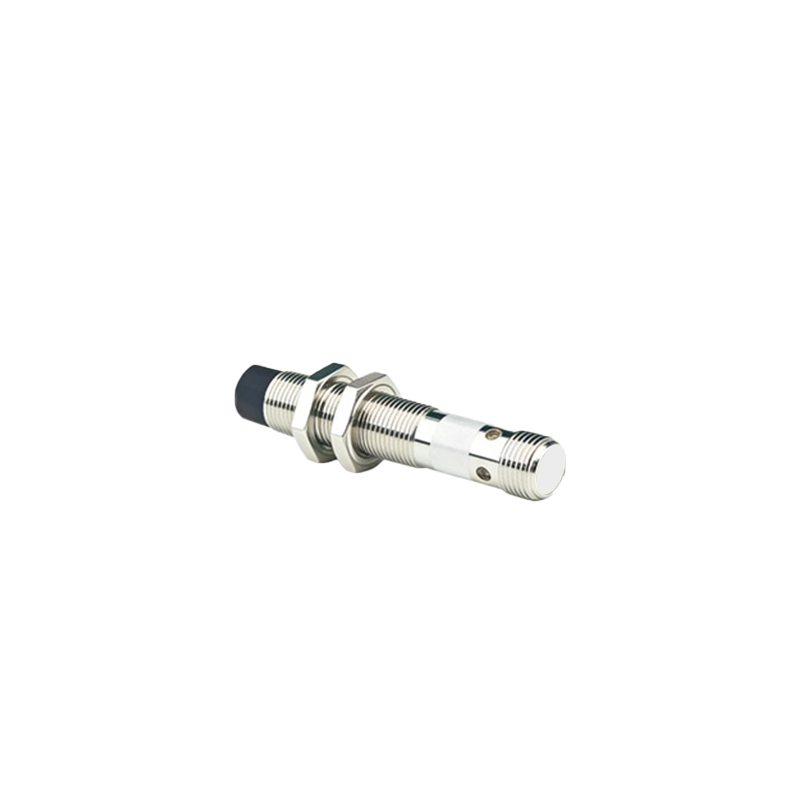
At the heart of a magnetic proximity sensor is a reed switch or a Hall-effect element. The reed switch consists of two ferromagnetic reeds sealed within a glass tube filled with inert gas. When an external magnetic field approaches, the reeds magnetize and attract each other, closing the electrical circuit. Once the magnetic field is removed, the reeds spring back to their original position, opening the circuit. This binary operation allows for precise detection of magnetic targets. Alternatively, Hall-effect sensors generate a voltage proportional to the magnetic field strength when a current flows through a semiconductor material in the presence of a magnetic field. This analog or digital output enables more nuanced detection, such as measuring speed or position.
Key Components and Design
A typical magnetic proximity sensor comprises several critical parts: the sensing element (reed switch or Hall-effect chip), a permanent magnet or electromagnet for generating the field, a housing for protection, and output circuitry. The housing is often made of stainless steel or rugged plastics to withstand industrial conditions, including vibrations and chemical exposure. Design variations include unipolar sensors that respond to a single magnetic pole and bipolar sensors that react to both north and south poles. Additionally, some sensors incorporate amplification and signal conditioning to improve accuracy and noise immunity, ensuring stable operation in electrically noisy environments.
Types of Magnetic Proximity Sensors
Magnetic proximity sensors can be categorized based on their sensing technology and application. Reed switch sensors are cost-effective and suitable for low-power applications, such as door and window sensors in security systems. Hall-effect sensors offer higher precision and are used in speed sensing, brushless DC motor control, and position detection. Another type is the magnetoresistive sensor, which changes resistance in response to magnetic fields, providing high sensitivity for advanced applications like compasses or current sensing. Each type has distinct advantages, with selection depending on factors like range, response time, and environmental resilience.
Installation and Calibration
Proper installation is crucial for optimal sensor performance. Sensors should be mounted close to the target path without physical interference, ensuring the magnetic field is aligned correctly. For reed switches, the operating distance typically ranges from a few millimeters to several centimeters, depending on magnet strength. Hall-effect sensors may require calibration to set threshold levels for detection, often done via potentiometers or digital interfaces. Environmental factors like temperature can affect magnetic properties, so manufacturers provide specifications for operating ranges. Regular maintenance involves checking for debris accumulation and verifying output signals to prevent false triggers.
Common Applications in Industry
In industrial settings, magnetic proximity sensors serve diverse roles. They are used in conveyor systems to detect metal parts, in hydraulic cylinders for end-position sensing, and in robotics for limit switching. Automotive applications include gearbox speed monitoring and brake pedal position sensing. Due to their non-contact nature, they reduce wear and tear, enhancing system longevity. In safety systems, these sensors can trigger alarms or shutdowns when machinery doors are opened. Their immunity to non-ferrous materials makes them ideal for selective detection, such as in sorting lines where only magnetic items need to be identified.
Advantages and Limitations
Magnetic proximity sensors offer significant benefits, including high reliability, long service life, and resistance to contaminants like oil or dirt. They consume low power and can operate in wide temperature ranges from -40°C to 150°C. However, limitations exist: they primarily detect ferromagnetic objects, so non-magnetic materials like aluminum or plastic may go undetected. Strong external magnetic fields can cause interference, and sensing distances are generally shorter compared to some optical sensors. Cost may also be higher for advanced Hall-effect variants, though this is offset by their precision in critical applications.
Future Trends and Innovations
Advancements in magnetic sensor technology are driving improvements in miniaturization, sensitivity, and integration. Smart sensors with IoT connectivity are emerging, enabling real-time data monitoring and predictive maintenance. Developments in materials science, such as graphene-based Hall-effect sensors, promise enhanced performance with lower power consumption. Additionally, 3D magnetic sensing