Introduction to Ultra-Thin Photoelectric Sensors
In the rapidly evolving landscape of industrial automation, ultra-thin photoelectric sensors have emerged as a pivotal component, enabling precise detection in space-constrained environments. These sensors, characterized by their remarkably slim profiles—often as thin as a few millimeters—leverage light beams to detect the presence, absence, or distance of objects without physical contact. Their design integrates advanced optics and electronics into compact housings, making them ideal for applications where traditional bulkier sensors would be impractical. By emitting light from an LED or laser source and analyzing the reflected signal, they provide reliable data for control systems in manufacturing, packaging, and robotics. The development of these sensors represents a significant leap forward, driven by demands for miniaturization and efficiency in modern machinery.
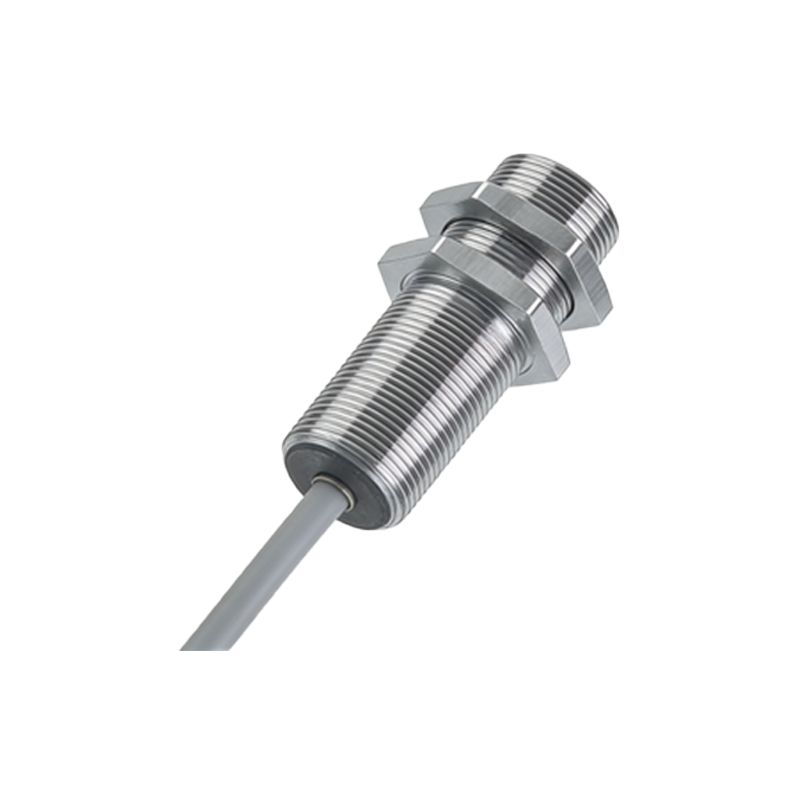
Key Technologies Behind Their Slim Design
The ultra-thin form factor of these photoelectric sensors is achieved through several cutting-edge technologies. First, the use of surface-mount device (SMD) components allows for a dense, low-profile circuit layout, reducing overall thickness. Second, advancements in optical materials, such as micro-lenses and fiber optics, enable precise light transmission and reception within minimal space. Additionally, integrated circuit (IC) designs have evolved to incorporate signal processing capabilities directly into the sensor, eliminating the need for external bulky processors. Energy-efficient LEDs and low-power consumption circuits further contribute to the slim design by minimizing heat generation, which reduces cooling requirements. These innovations collectively ensure that ultra-thin sensors maintain high performance—including fast response times and accurate detection—despite their reduced size.
Applications in Modern Industries
Ultra-thin photoelectric sensors find extensive use across diverse sectors due to their versatility and compactness. In the electronics industry, they are employed for detecting minute components on circuit boards during assembly, where space is at a premium. Automotive manufacturers utilize them for precise positioning in robotic welding and inspection systems, enhancing production accuracy. In packaging lines, these sensors monitor label placement and product counting without interfering with conveyor belts. Moreover, the medical field benefits from their application in diagnostic equipment and portable devices, where hygiene and size constraints are critical. Their ability to operate in harsh environments—resistant to dust, moisture, and vibrations—makes them suitable for outdoor or heavy-duty settings, such as in agricultural machinery or logistics automation.
Advantages Over Traditional Sensors
Compared to conventional photoelectric sensors, ultra-thin variants offer distinct advantages that drive their adoption. Their minimal footprint allows for installation in tight spaces, enabling more flexible machine designs and reducing overall system size. This leads to cost savings in materials and energy, as smaller sensors often require less wiring and support structures. Additionally, their lightweight nature simplifies mounting and maintenance, lowering labor costs. In terms of performance, ultra-thin sensors typically feature enhanced sensitivity and faster switching speeds, improving process efficiency. They also tend to have longer operational lifespans due to reduced mechanical wear, as non-contact detection eliminates physical degradation. These benefits make them a superior choice for modern automated systems seeking optimization and reliability.
Challenges and Future Developments
Despite their advantages, ultra-thin photoelectric sensors face challenges that spur ongoing research. One issue is the potential for reduced detection range or accuracy in extremely slim designs, as smaller components may limit light output or reception. Engineers are addressing this by developing hybrid technologies, such as combining infrared and laser sources for better precision. Another challenge involves environmental interference; for instance, ambient light or reflective surfaces can cause false readings, necessitating advanced filtering algorithms. Looking ahead, future trends include the integration of Internet of Things (IoT) capabilities for real-time data monitoring and predictive maintenance. Innovations in nanomaterials and wireless connectivity may further shrink sizes while boosting functionality. As industries push toward smarter, more compact automation, ultra-thin photoelectric sensors are poised to evolve, offering even greater adaptability and performance.