Introduction to Proximity Sensor Supply
Proximity sensors, including light curtain types, are essential components in modern industrial automation, providing non-contact detection of objects. The supply chain for these sensors encompasses a wide range of manufacturers, distributors, and specialized suppliers. Key players range from global electronics conglomerates to niche engineering firms specializing in safety and precision measurement. Understanding this supply landscape is crucial for procurement specialists and design engineers to ensure reliable sourcing, compliance with industry standards, and optimal integration into machinery and safety systems. The market is characterized by continuous innovation, with suppliers competing on factors like sensing range, response time, environmental durability, and connectivity features for Industry 4.0 applications.
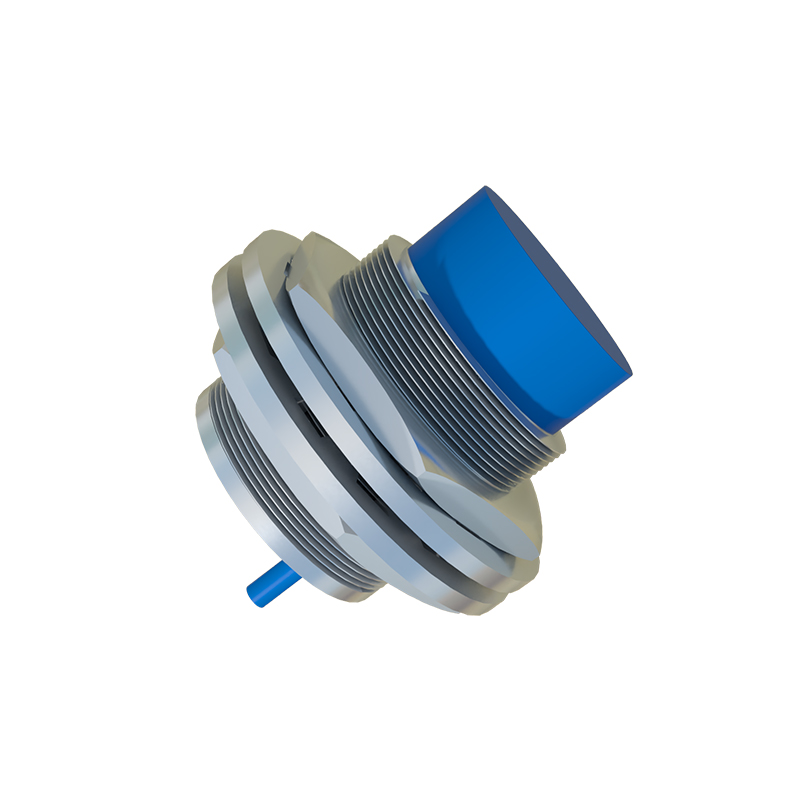
Major Global Manufacturers and Brands
The supply of high-quality proximity sensors is dominated by several established global manufacturers. Companies like SICK AG, Keyence Corporation, Omron Corporation, and Banner Engineering are leaders in the field, offering extensive portfolios that include advanced light curtain systems. These brands invest heavily in research and development, producing sensors with high resolution, robust housing for harsh environments (IP67/IP69K ratings), and sophisticated diagnostics. They typically supply through a network of authorized distributors and direct sales teams for large OEMs. Their products often set industry benchmarks for performance and safety certifications, such as IEC 61496 for electro-sensitive protective equipment.
Specialized Distributors and System Integrators
Beyond direct manufacturers, a critical layer of supply comes from specialized industrial distributors and system integrators. Distributors like Allied Electronics, RS Components, and Digi-Key Electronics stock a broad array of proximity sensors from multiple brands, providing valuable services such as inventory management, technical support, and rapid delivery. System integrators, on the other hand, supply not just the sensor components but also the expertise to design and implement complete safety or automation solutions. They are vital suppliers for custom applications, integrating light curtains with controllers, relays, and machinery interfaces to create turnkey systems.
Online Marketplaces and E-Commerce Platforms
The digital transformation has significantly impacted sensor supply channels. Online marketplaces, including industry-specific platforms and general e-commerce sites like Amazon Business, have become accessible sources for standard proximity sensor models. These platforms allow for easy price comparison and procurement of smaller quantities. However, buyers must exercise diligence regarding product authenticity, technical specifications, and supplier credibility. While suitable for prototyping or replacement of non-critical components, complex or safety-rated light curtain systems are still predominantly sourced through official or highly specialized channels to guarantee certification and support.
Considerations for Sourcing and Procurement
Selecting a supplier involves more than comparing price lists. Critical considerations include the technical support and application engineering offered, the availability of comprehensive documentation (datasheets, CAD models, certificates), and the supplier's lead time consistency. For light curtain proximity sensors, verifying functional safety certifications (e.g., SIL, PL) is paramount. Furthermore, the trend towards IIoT demands sensors with smart features like IO-Link connectivity, which influences supplier choice. Establishing a relationship with a supplier that offers local or regional logistics and after-sales service can drastically reduce machine downtime and lifecycle costs.
Future Trends in Sensor Supply
The supply ecosystem for proximity sensors is evolving with technological advancements. Suppliers are increasingly offering digital tools like online configurators and simulation software to aid in product selection. The rise of additive manufacturing may also influence the supply of custom sensor housings or brackets. Additionally, there is a growing emphasis on sustainable supply chains, with suppliers focusing on energy-efficient sensor designs and recyclable materials. As industries push for greater interoperability, suppliers that offer sensors compatible with open communication protocols and cloud platforms are likely to become more prominent partners in the automated factory of the future.