Understanding Explosion-Proof Requirements in Hazardous Areas
In industrial settings such as oil refineries, chemical plants, grain elevators, and paint spray booths, the presence of flammable gases, vapors, dust, or fibers creates a potentially explosive atmosphere. Equipment used in these designated hazardous areas must be designed to prevent ignition. This is not merely a recommendation but a strict legal and safety imperative governed by international standards like ATEX in Europe, IECEx globally, and NEC/CEC in North America. The core principle is to ensure that any electrical or mechanical device, including proximity switches, cannot become a source of ignition through sparks, high surface temperatures, or electrical arcing.
What Does "Explosion-Proof" Mean for Proximity Switches?
The term "explosion-proof" is often used broadly, but it has a specific technical meaning. For a proximity switch to be certified as explosion-proof, its enclosure is designed to withstand an internal explosion of specified flammable gases or dusts without allowing the flames or hot gases to escape and ignite the surrounding hazardous atmosphere. This is typically achieved through robust, flame-path construction with precisely machined gaps that cool escaping gases. Importantly, explosion-proofing refers to the housing and sealing methodology. The inductive, capacitive, or magnetic sensing principle of the proximity switch itself remains functionally the same; the key difference lies in its physical packaging, material strength, and ingress protection to contain any potential ignition source within the housing.
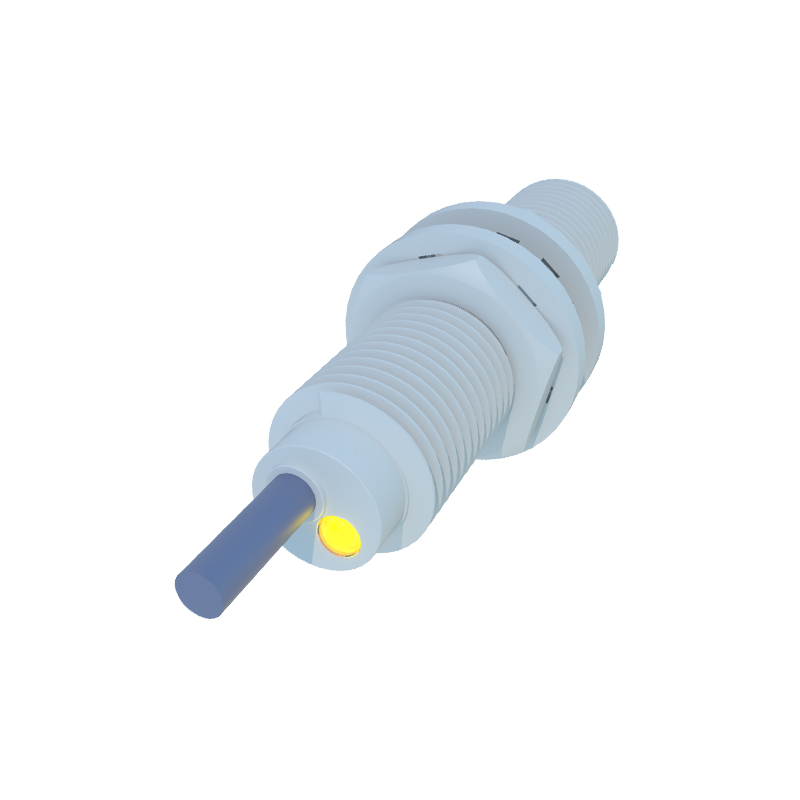
Key Design Features of Explosion-Proof Proximity Sensors
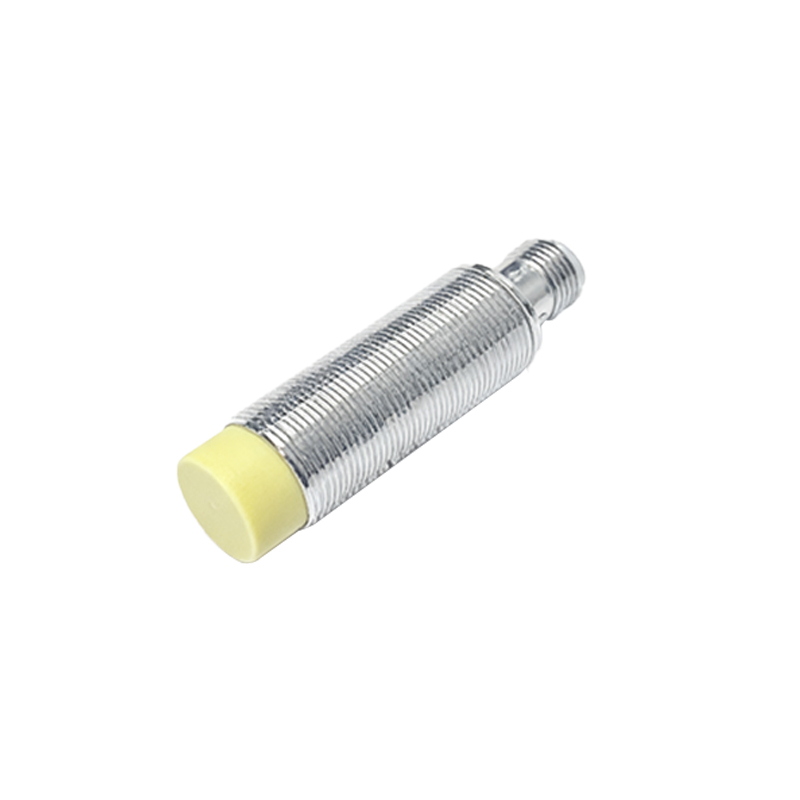
Explosion-proof proximity switches incorporate several critical design features. The housing is constructed from durable materials like stainless steel or brass with a substantial thickness. All entry points for cables (conduit entries) use certified sealed gland systems. The sensing face is often made of a special, thick-grade sensing material (like PEEK plastic or ceramic) that can contain pressure and prevent flame transmission. Internal components are potted or sealed to prevent contact with explosive mixtures. These switches carry specific certification markings (e.g., ATEX II 2G Ex d IIC T6 or Class I, Division 1, Groups B, C, D) that detail the hazardous environments (gas, dust), protection method, temperature class, and equipment group they are approved for.
Impact of Explosion-Proofing on Sensor Performance
The incorporation of explosion-proof housing does have measurable effects on the performance parameters of a proximity switch, though modern designs aim to minimize these impacts. The most common effect is a reduction in the rated sensing distance. The thick, robust material required for the sensing face can attenuate the electromagnetic field (for inductive sensors) or electrostatic field (for capacitive sensors), typically reducing the nominal sensing range by 10% to 30% compared to a standard industrial sensor. Additionally, the temperature class rating (e.g., T6) imposes a limit on the maximum surface temperature of the device, which can influence its power handling and environmental operating limits. The robust construction, however, often results in higher mechanical strength, better resistance to corrosion, and superior ingress protection (e.g., IP67, IP69K).
Selection and Installation Considerations
Selecting the correct explosion-proof proximity switch requires careful analysis of the hazardous area classification. Engineers must match the sensor's certification (Division/Zone, Gas Group, Temperature Class) exactly with the plant's hazardous area classification drawings. Installation must strictly follow the manufacturer's guidelines and applicable electrical codes regarding torque on conduit seals, proper grounding, and the use of certified barriers or isolators if the sensor connects to a safe-area control system. Incorrect installation can void the certification and create a serious safety risk. Regular inspection and maintenance of the seals and housing integrity are also crucial for ongoing safety.
Conclusion: A Necessary and Effective Adaptation
In conclusion, proximity switches can be and commonly are manufactured as explosion-proof devices to ensure safe operation in hazardous locations. The explosion-proofing primarily affects the physical housing and sensing face design, leading to a trade-off often seen as a modest reduction in sensing range and specific installation requirements. This does not negatively impact the core switching functionality or reliability. Instead, it is a necessary and highly engineered adaptation that allows the critical benefits of proximity sensing—non-contact detection, longevity, and speed—to be safely utilized in the most challenging and dangerous industrial environments. The performance parameters are clearly defined in the certified product's datasheet, allowing for correct and safe integration into automated systems.