Introduction to Photoelectric Sensors
Photoelectric sensors are widely used in industrial automation for detecting objects, measuring distances, and monitoring environmental conditions. These sensors operate by emitting a light beam—typically infrared, visible, or laser—and measuring the reflection or interruption of that beam. Their reliability is critical in applications such as conveyor systems, packaging machinery, and safety interlocks. However, environmental factors like smoke can significantly impair their performance, leading to false readings, reduced accuracy, or complete failure. Understanding how smoke interacts with photoelectric sensors is essential for maintaining operational efficiency and safety in industrial settings.
How Smoke Affects Light Transmission
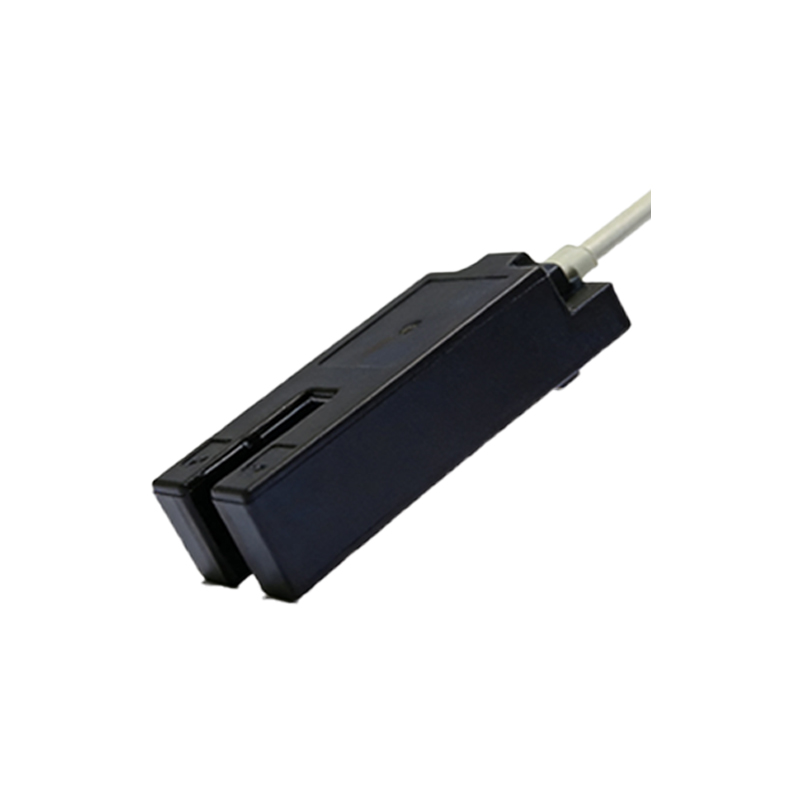
Smoke consists of tiny airborne particles, such as soot, ash, or chemical residues, which scatter and absorb light. When smoke enters the path between a photoelectric sensor's emitter and receiver, it interferes with the light beam in several ways. Scattering causes the light to disperse, reducing the intensity that reaches the receiver. Absorption converts light energy into heat, further diminishing signal strength. This attenuation can lead to a weakened or distorted signal, making it difficult for the sensor to distinguish between an actual object and environmental interference. In dense smoke conditions, the beam may be completely blocked, resulting in sensor failure.
Types of Photoelectric Sensors and Vulnerability
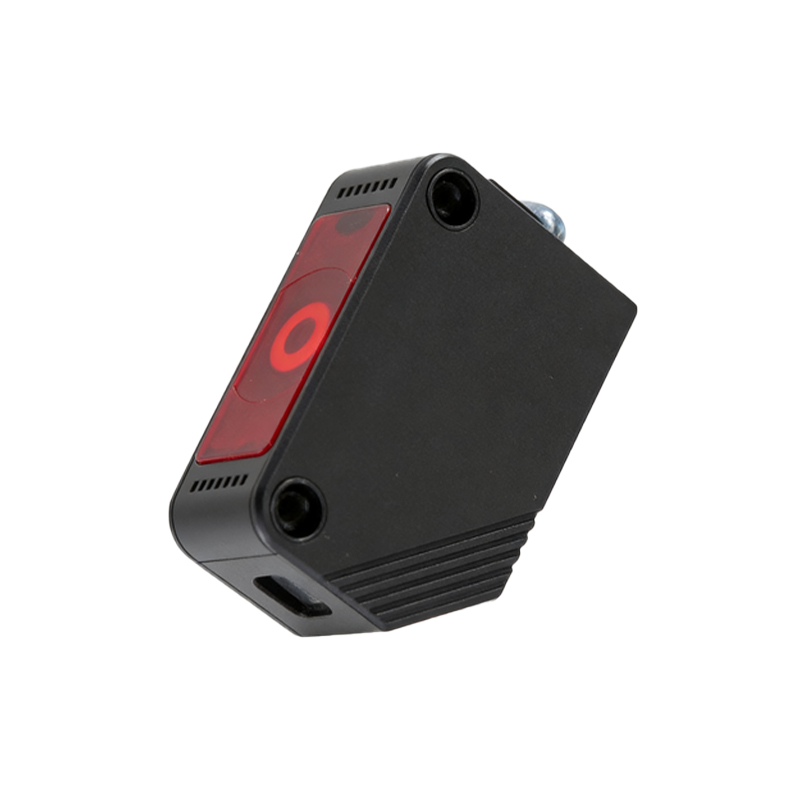
Different photoelectric sensor designs exhibit varying levels of susceptibility to smoke. Through-beam sensors, which have separate emitter and receiver units, are highly sensitive to smoke because the beam travels over a long distance, increasing exposure to particulate interference. Retro-reflective sensors, which use a reflector to bounce light back to the receiver, can also be affected if smoke obscures the reflector. Diffuse reflective sensors, which detect light reflected directly from an object, may experience reduced range and accuracy in smoky environments. Additionally, background suppression sensors, which rely on triangulation, might misinterpret smoke as a target object, leading to erroneous outputs.
Industrial Case Studies and Real-World Impacts
In manufacturing plants, such as those involving welding, combustion, or material processing, smoke is a common byproduct. For instance, in automotive assembly lines, welding operations generate smoke that can disrupt photoelectric sensors used for part positioning. This interference may cause misalignment, production delays, or defective products. Similarly, in woodworking facilities, sawdust and smoke from cutting processes can coat sensor lenses, reducing light transmission over time. Documented cases show that unaddressed smoke exposure leads to increased maintenance costs, downtime, and safety risks, such as malfunctioning emergency stop systems.
Mitigation Strategies and Best Practices
To minimize the impact of smoke on photoelectric sensors, several strategies can be implemented. Regular cleaning of sensor lenses and housings prevents particle buildup. Using sensors with higher IP ratings ensures better protection against ingress. Installing physical barriers or air purifiers near sensors can reduce smoke concentration. Opting for sensors with adjustable sensitivity allows compensation for signal loss. In critical applications, alternative technologies like ultrasonic or inductive sensors may be considered, as they are less affected by optical obstructions. Predictive maintenance, including routine inspections and environmental monitoring, helps detect issues early.
Future Trends and Technological Advancements
Advancements in sensor technology are addressing smoke-related challenges. Newer photoelectric sensors incorporate features like auto-gain adjustment, which dynamically adapts to changing light conditions, and built-in diagnostics to alert users to contamination. Research into multi-wavelength sensors aims to use light spectra less prone to scattering by smoke particles. Integration with IoT systems enables real-time data analysis and remote monitoring, allowing for proactive adjustments in smoky environments. As industries move toward smarter automation, these innovations will enhance sensor resilience and reliability, ensuring continuous operation even in harsh conditions.