Introduction to Sensing Technologies
In the realm of industrial automation and control, sensors are the fundamental components that bridge the physical and digital worlds. They detect changes in the environment or in the state of an object and convert this information into an electrical signal. Among the vast array of sensors, proximity switches and counting sensors are frequently encountered. A common point of confusion arises from their overlapping functionalities in detection. This article aims to clarify the relationship and distinctions between a counting sensor and a proximity switch, providing a clear understanding for engineers and technicians in the electrical and automation fields.
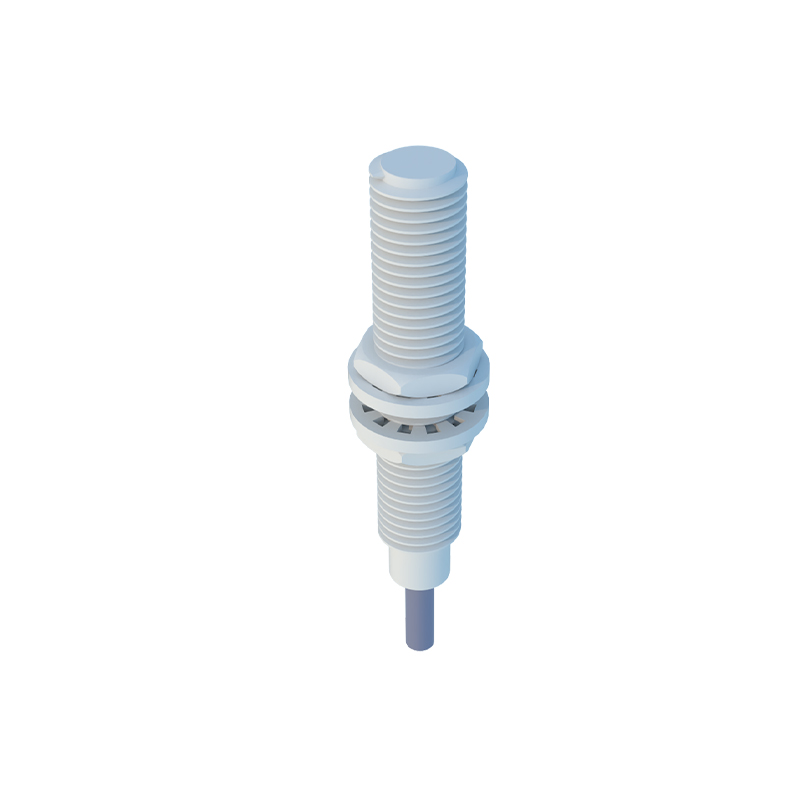
Defining the Proximity Switch
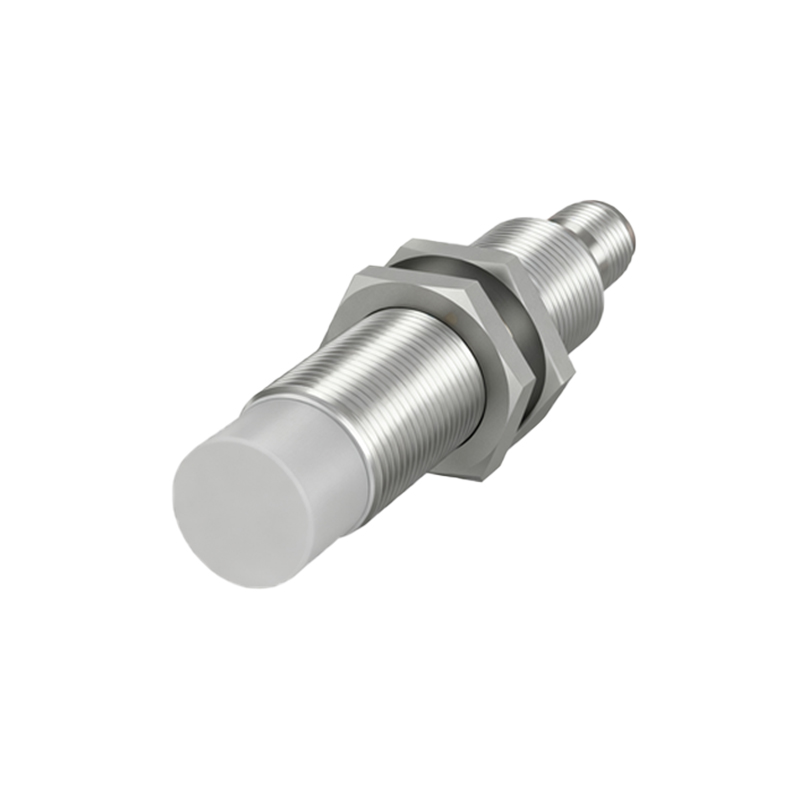
A proximity switch, often simply called a proximity sensor, is a non-contact sensor that detects the presence or absence of an object within its sensing range without any physical contact. It operates based on various principles, with inductive, capacitive, and photoelectric being the most common. An inductive proximity switch, for instance, generates an electromagnetic field and detects the eddy current losses caused by a metallic target. Its primary output is a simple binary signal: ON or OFF. When a target enters the detection zone, the switch's output state changes, typically triggering a control action like stopping a conveyor, initiating a process, or providing a positional feedback. The key function is presence detection.
Defining the Counting Sensor
A counting sensor, on the other hand, is a device or system designed to tally the number of objects passing a specific point. While it inherently requires a detection mechanism—often provided by a sensor like a proximity switch, photoelectric sensor, or ultrasonic sensor—its core functionality is counting. The counting sensor incorporates additional electronics or logic (like a built-in counter, microcontroller, or connection to a PLC) to process the detection pulses and maintain a cumulative count. It may include features for preset values, batch counting, high-speed counting, and output signals to indicate when a certain count is reached. Therefore, a counting sensor is often a more complex subsystem focused on quantification.
The Core Relationship: Detection vs. Quantification
Here lies the essential distinction. A proximity switch is primarily a detection device. It answers the question: "Is an object present at this location?" Its output is a single event signal. A counting sensor answers the question: "How many objects have passed this location?" It requires a detection event (which could be supplied by a proximity switch) and then processes that event into numerical data. Think of a proximity switch as the "trigger" and the counting sensor as the "tally keeper." In many practical applications, a standard proximity switch is connected to a separate counter unit or a programmable logic controller (PLC) to form a counting system. However, integrated devices that combine the sensing element and counting circuitry in one housing are also marketed as "counting sensors."
Key Technical and Functional Differences
Several technical aspects highlight their differences. The output of a basic proximity switch is typically a PNP/NPN transistor switch or a relay contact. A counting sensor provides digital numerical data, often communicated via displays, relay outputs for preset limits, or industrial communication protocols (e.g., IO-Link, Ethernet/IP). Functionally, a proximity switch is used for position verification, end-of-travel limits, or object detection. A counting sensor is used for inventory management, production batch control, throughput monitoring, and packaging operations. While a proximity switch can be part of a counting loop, it lacks the intrinsic ability to store, compare, or display a count value on its own.
Application Scenarios in Industry
To illustrate, consider a bottling plant. An inductive proximity switch might be used to detect whether a metal cap is properly seated on a bottle. This is a pure detection task. In the same plant, a photoelectric counting sensor system might be installed on the conveyor line leading to the packaging area. Each time a bottle breaks the photoelectric beam, the counter increments. When the count reaches 24, the system signals the packaging machine to group the bottles into a case. Here, the photoelectric sensor acts as the detection element (similar to a proximity switch's role), but the counting logic is the primary function.
Selection Criteria for Engineers
When designing a system, an engineer must choose the appropriate component based on the required task. Select a proximity switch when the application demands simple, reliable presence/absence detection of objects (metal, plastic, liquid) within a short range. Factors like sensing distance, material type, output type, and environmental robustness (IP rating) are critical. Opt for a dedicated counting sensor or a sensor-counter combination when the primary objective is to monitor quantity, control batch sizes, or measure production rates. Considerations then include count speed (frequency), reset functions