Introduction to Photoelectric Sensing Technology
Photoelectric sensors are fundamental components in modern automated mahjong tables, serving as the primary system for tile detection and game state monitoring. These sensors operate on the principle of converting light signals into electrical signals. Typically, they consist of an emitter, which projects a light beam—often infrared to be invisible and immune to ambient light interference—and a receiver. When a mahjong tile passes through or rests in a specific location, it interrupts or reflects this beam. The receiver detects this change and sends a corresponding signal to the table's central processing unit (CPU). This non-contact method ensures high reliability, fast response times, and minimal mechanical wear, which are critical for the durability and consistent performance expected in commercial and residential mahjong tables.
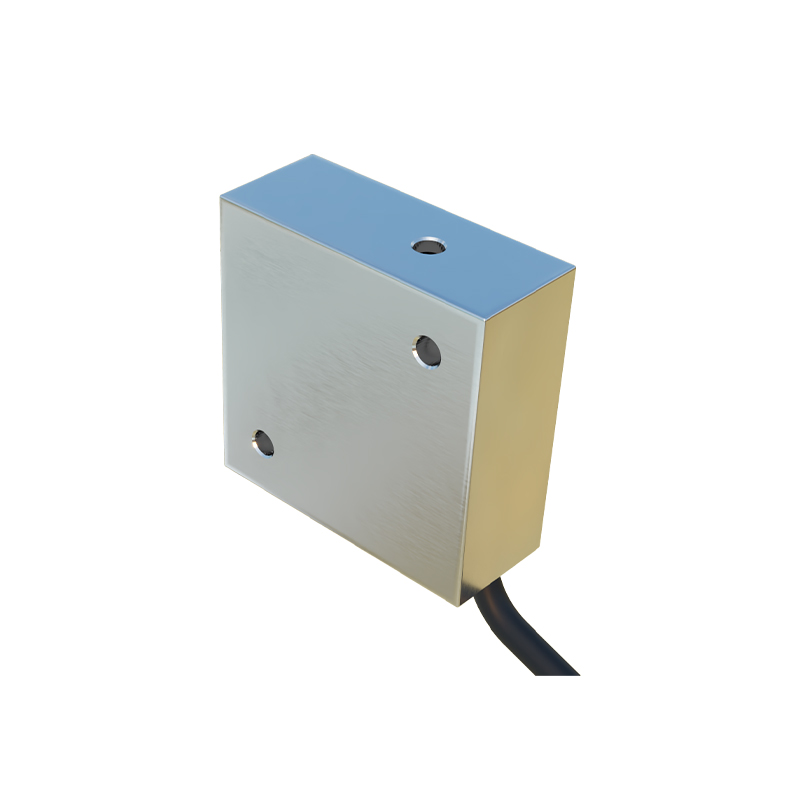
Core Applications in Tile Detection and Sorting
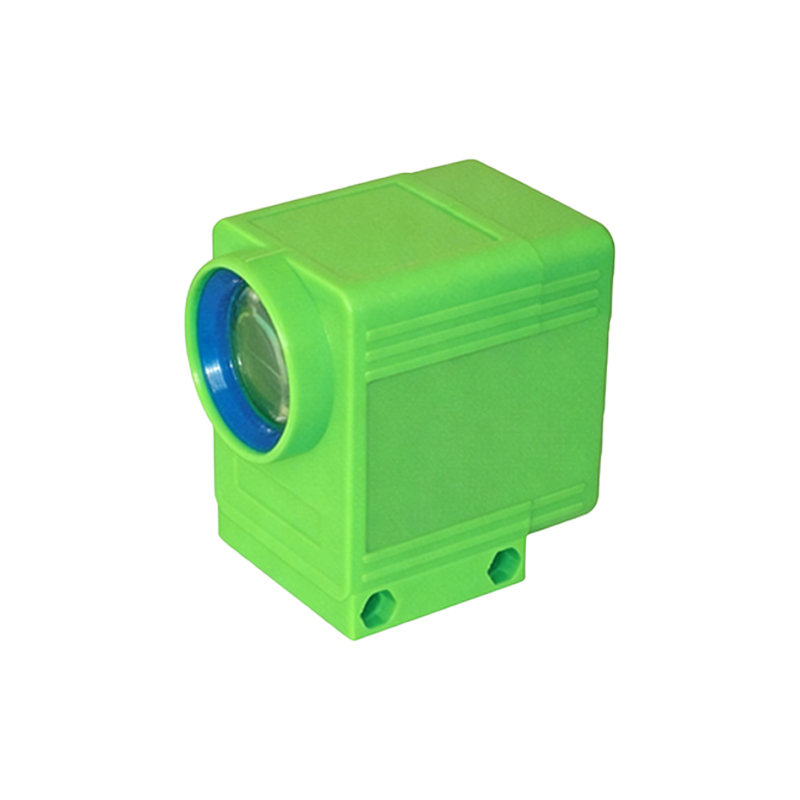
The most prominent application is within the automatic tile shuffling and sorting mechanism. An array of photoelectric sensors is strategically placed along the tile circulation track and sorting carousel. As tiles circulate face-down, sensors verify their presence in each compartment, ensuring the set is complete before the wall-building process begins. Furthermore, diffuse reflection sensors are employed to detect the unique markings on the bottom of each tile after it is flipped. By reading a pattern of reflective and non-reflective spots (often implemented via infrared-absorbing ink), the sensor array identifies the tile's suit and value. This data allows the sorting system to accurately distribute tiles to the four player positions, a process requiring millimeter precision and error rates near zero.
Sensor Types and Configuration
Several types of photoelectric sensors are deployed, each suited for a specific task. Through-beam sensors, where the emitter and receiver are separate units, are used for precise detection of tiles passing through a chute, offering the longest sensing range and highest accuracy. Retro-reflective sensors, which use a reflector, are common for detecting the presence of the tile wall or the position of the shuffling carriage. Diffuse reflective sensors, where the emitter and receiver are housed together and detect light reflected off the target itself, are ideal for close-range identification of tile faces. The configuration involves careful calibration of sensing distance, response time, and output logic (light-on/dark-on) to interface seamlessly with the programmable logic controller (PLC) or microcontroller governing the table's operations.
Integration with Control Systems and Feedback Loops
The sensors do not operate in isolation; they are integral nodes in a closed-loop control system. The digital or analog output from a sensor bank is fed into the control board. For instance, a sensor detecting an empty tile rack at a player's position will trigger a command for the dispensing mechanism to deliver a new tile. More advanced systems use sensor data for fault diagnosis. If a tile is mis-sorted or jammed, specific sensor pairs will fail to register the expected sequence, prompting the CPU to halt operation, activate an alert (like an LED indicator or buzzer), and often guide the user through a corrective procedure via a display panel. This integration ensures operational safety and prevents damage to tiles or mechanical parts.
Environmental Considerations and Durability
Mahjong table sensors must perform reliably in varied environments, facing challenges like dust from tile wear, accidental spills, temperature fluctuations, and vibration from the mechanical shuffling system. Therefore, industry-grade sensors with high Ingress Protection (IP) ratings (e.g., IP67) are standard. Their housings are designed to resist impact and corrosion. The optical components are protected from dust accumulation, which could scatter or block the light beam. Furthermore, the electronic components are selected for a wide operating temperature range and shielded against electromagnetic interference from the table's motors and other internal electronics, ensuring signal integrity over thousands of gaming hours.
Maintenance, Troubleshooting, and Industry Trends
Routine maintenance involves cleaning the sensor lenses and reflectors with appropriate materials to maintain optical clarity. Common failure modes include lens occlusion, misalignment due to vibration, or component degradation. Technicians use diagnostic tools like an IR viewer to check emitter activity and multimeters to verify output signals. The current industry trend is toward miniaturization and increased intelligence. Smart sensors with integrated microprocessors can perform basic preprocessing of data, communicate via IO-Link or other industrial protocols for better diagnostics, and even self-compensate for gradual lens dirtiness. This evolution enhances system reliability, reduces downtime, and supports the development of more feature-rich tables with advanced game tracking and player interaction capabilities.