Understanding Proximity Sensors in Fixed Testing Applications
In the realm of industrial automation and process control, proximity sensors are indispensable components for fixed testing and monitoring setups. These non-contact devices detect the presence or absence of an object within a defined sensing range, triggering a corresponding electrical signal. For fixed testing applications—where sensors are permanently installed to perform repetitive, high-precision checks on a production line or within a test rig—the reliability, accuracy, and durability of the sensor are paramount. Unlike mobile or handheld testing, fixed installations demand sensors that can withstand continuous operation, environmental stressors like temperature fluctuations, dust, and vibration, while delivering consistent performance over thousands, if not millions, of cycles. The core technologies employed include inductive sensors for metallic objects, capacitive sensors for both metallic and non-metallic materials, and photoelectric sensors using light beams. Selecting the correct technology is the foundational step dictated by the target object material and the specific environmental conditions of the fixed test station.
Key Criteria for Evaluating Proximity Sensor Suppliers
Choosing the right supplier extends far beyond comparing price lists. For engineers integrating sensors into critical fixed testing systems, several technical and commercial factors must be rigorously assessed. First and foremost is product quality and consistency. Suppliers must demonstrate stringent manufacturing controls to ensure every sensor unit meets published specifications for sensing distance, repeat accuracy, and response time. Look for suppliers with certifications like ISO 9001, which indicate a commitment to quality management systems. Secondly, technical support and application engineering expertise are crucial. A superior supplier will have engineers who can assist with complex integration challenges, such as mitigating interference from adjacent metal or optimizing sensing in tight spaces. Thirdly, consider the breadth and depth of the product portfolio. A supplier offering a wide range of housing styles (e.g., cylindrical, rectangular), output types (PNP/NPN, analog, IO-Link), and connection methods provides greater flexibility for designing an optimal fixed test setup. Finally, evaluate the supplier's global support network, lead times, and their ability to provide detailed, accurate datasheets and 3D models for seamless CAD integration.
Leading Technologies and Innovations from Top Suppliers
The market for proximity sensors is driven by continuous innovation from leading suppliers. Modern sensors for fixed testing now incorporate advanced features that enhance functionality and simplify integration. One significant trend is the rise of smart sensors with IO-Link communication. This point-to-point serial protocol allows for bidirectional data exchange, enabling remote parameter setting, real-time diagnostics (like monitoring signal strength or internal temperature), and predictive maintenance alerts—all vital for minimizing downtime in automated test cells. Another innovation is the development of sensors with increased resistance to electromagnetic interference (EMI) and welding field immunity, which is essential for sensors installed near robotic welders or high-power equipment. Furthermore, suppliers are producing sensors with incredibly compact housings without sacrificing sensing range or durability, allowing installation in space-constrained fixed apparatus. Some high-end models also feature hygienic, polished stainless-steel housings with FDA-compliant seals for use in fixed testing within the food, beverage, and pharmaceutical industries, where washdowns are frequent.
Integration and Best Practices for Fixed Installations
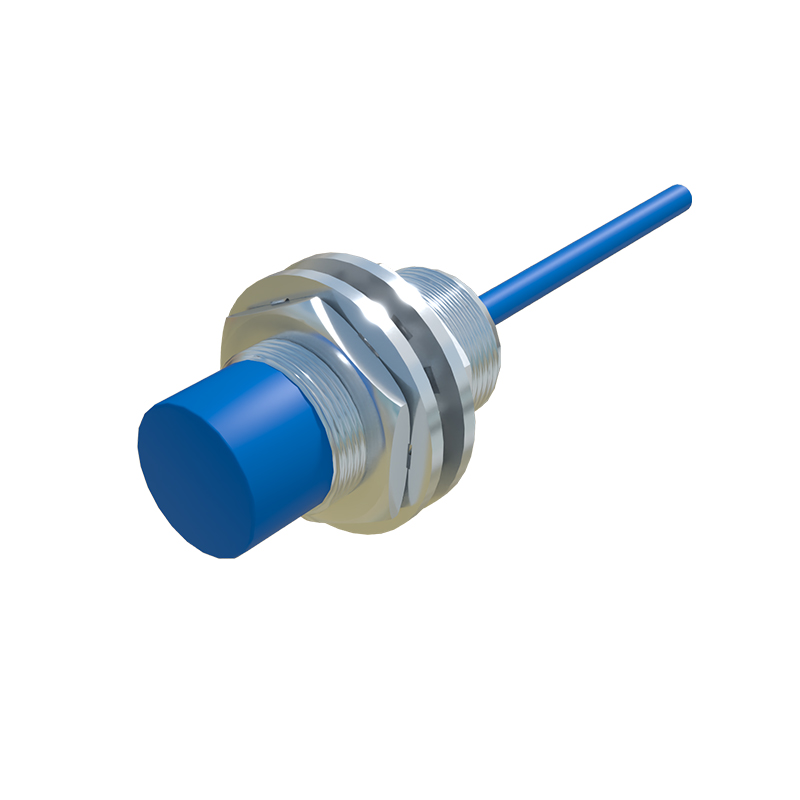
Successful deployment of proximity sensors in a fixed testing environment hinges on proper installation and configuration. Even the highest-quality sensor from a reputable supplier can underperform if installed incorrectly. A primary consideration is ensuring the correct mounting. Sensors should be securely fastened to eliminate any movement that could affect sensing accuracy. For inductive sensors, it is critical to maintain the recommended lateral and axial spacing from other metal objects and sensors to prevent mutual interference—a common pitfall in densely packed control panels or machine frames. Environmental protection is another key practice; selecting a sensor with an appropriate Ingress Protection (IP) rating (e.g., IP67, IP69K) for the location (resistant to coolants, oils, or high-pressure cleaning) is non-negotiable. During wiring, careful attention must be paid to electrical noise. Using shielded cables, grounding the shield properly at the controller end, and separating sensor cables from power lines are standard best practices to ensure signal integrity. Finally, after installation, performing a thorough validation test across the entire range of expected operating conditions confirms the system's readiness for reliable, long-term fixed testing duty.
The Future Outlook: Smart Factories and Industry 4.0
The role of proximity sensor suppliers is evolving rapidly with the advent of Industry 4.0 and the smart factory. In fixed testing applications, sensors are no longer mere binary switches; they are becoming intelligent data points on the industrial network. Future-focused suppliers are developing sensors that seamlessly integrate into Ethernet-based systems like EtherNet/IP, PROFINET, or EtherCAT. This allows sensor data from a fixed test