Introduction to Customizable Proximity Sensors
In today's rapidly evolving industrial landscape, proximity sensors have become indispensable components for automation and safety applications. While standard sensors offer reliable performance in many scenarios, the demand for customizable proximity sensors is growing exponentially. These sensors are tailored to meet specific operational requirements, providing enhanced flexibility and precision. Customizable proximity sensors can be adapted in terms of sensing range, output type, housing material, and environmental resistance, making them ideal for unique or challenging applications. This adaptability ensures that industries can optimize their processes without compromising on efficiency or reliability.
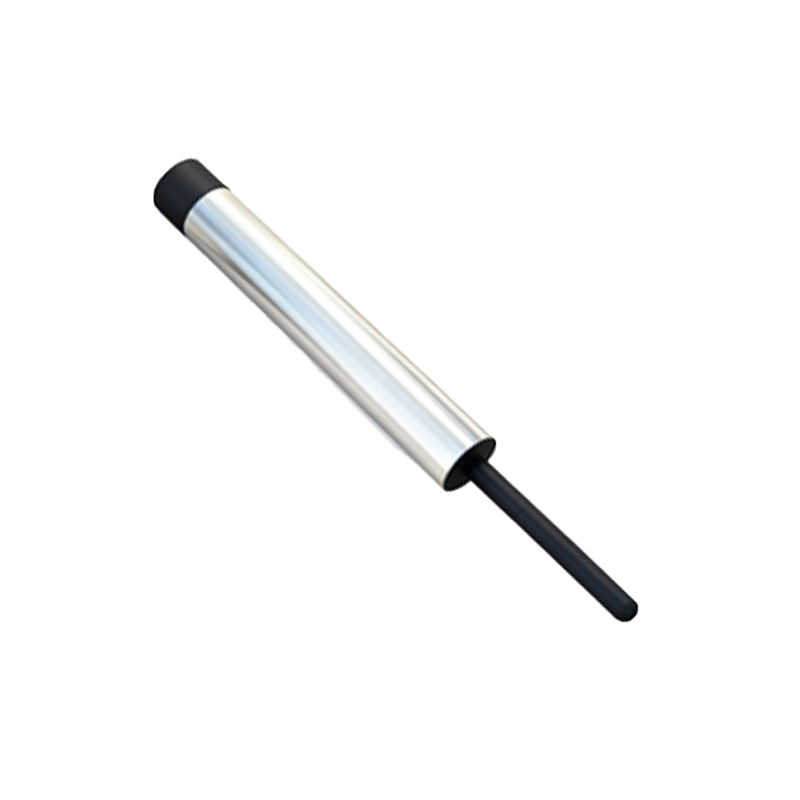
Key Benefits of Customization
One of the primary advantages of customizable proximity sensors is their ability to address niche needs. For instance, in harsh environments with extreme temperatures or corrosive substances, standard sensors may fail prematurely. Custom sensors can be designed with specialized materials like stainless steel or high-grade plastics to withstand such conditions. Additionally, adjustable sensing ranges allow for precise detection in varying distances, reducing false triggers and improving accuracy. Output options, such as analog, digital, or IO-Link, enable seamless integration with existing control systems, minimizing downtime and installation costs.
Applications Across Industries
Customizable proximity sensors find applications in diverse sectors, including automotive manufacturing, food processing, pharmaceuticals, and robotics. In automotive assembly lines, sensors with specific form factors can be integrated into tight spaces to monitor component placement. In food processing, sensors made from FDA-approved materials ensure hygiene compliance while detecting packaging anomalies. The pharmaceutical industry benefits from sensors with high-precision capabilities for quality control in sterile environments. Robotics relies on customizable sensors for obstacle detection and positioning, enhancing automation safety and efficiency.
Design Considerations for Custom Sensors
When opting for customizable proximity sensors, several factors must be considered to ensure optimal performance. The sensing technology—inductive, capacitive, or ultrasonic—should align with the target material and application. Environmental factors like humidity, vibration, and electromagnetic interference require robust housing and shielding. Power supply compatibility and communication protocols are crucial for system integration. Collaborating with experienced engineers during the design phase helps in selecting the right components, testing prototypes, and validating performance under real-world conditions.
Cost-Effectiveness and Long-Term Value
Although customizable proximity sensors may have higher upfront costs compared to standard models, they offer significant long-term savings. By precisely matching sensor specifications to application needs, businesses reduce waste, minimize maintenance, and extend equipment lifespan. Custom sensors often lead to fewer failures and lower replacement rates, enhancing overall productivity. Moreover, they can be future-proofed with modular designs, allowing upgrades as technology evolves. This investment in customization ultimately drives operational excellence and competitive advantage in dynamic markets.
Future Trends in Sensor Customization
The future of customizable proximity sensors is shaped by advancements in IoT and smart manufacturing. Integration with Industry 4.0 platforms enables real-time data collection and predictive maintenance, optimizing sensor performance. Miniaturization trends allow for smaller, more versatile sensors in compact devices. Wireless connectivity options are expanding, facilitating easier deployment in remote or mobile applications. As artificial intelligence and machine learning evolve, sensors will become more adaptive, self-calibrating based on environmental changes. These innovations promise to make customization more accessible and efficient for industries worldwide.
Conclusion: Embracing Custom Solutions
In conclusion, customizable proximity sensors represent a strategic choice for industries seeking tailored automation solutions. Their ability to conform to specific requirements enhances reliability, safety, and efficiency across various applications. By investing in customization, companies can overcome limitations of off-the-shelf sensors and achieve greater operational control. As technology continues to advance, the role of customizable sensors will only expand, driving innovation and sustainability in the electrical engineering sector. Embracing these solutions is key to staying ahead in an increasingly competitive and complex industrial environment.