Introduction to Garmin's Sensor Evolution
Garmin has long been a leader in precision sensing technology, particularly within the realms of fitness, automotive, and industrial applications. Their photoelectric sensors are critical components for non-contact detection, measuring distance, and monitoring speed or position. The transition from the fourth to the fifth generation represents a significant leap in performance, reliability, and integration capabilities. This article delves into the core technical distinctions between these two pivotal generations, providing a clear comparison for engineers and system integrators.
Core Sensing Technology and Accuracy
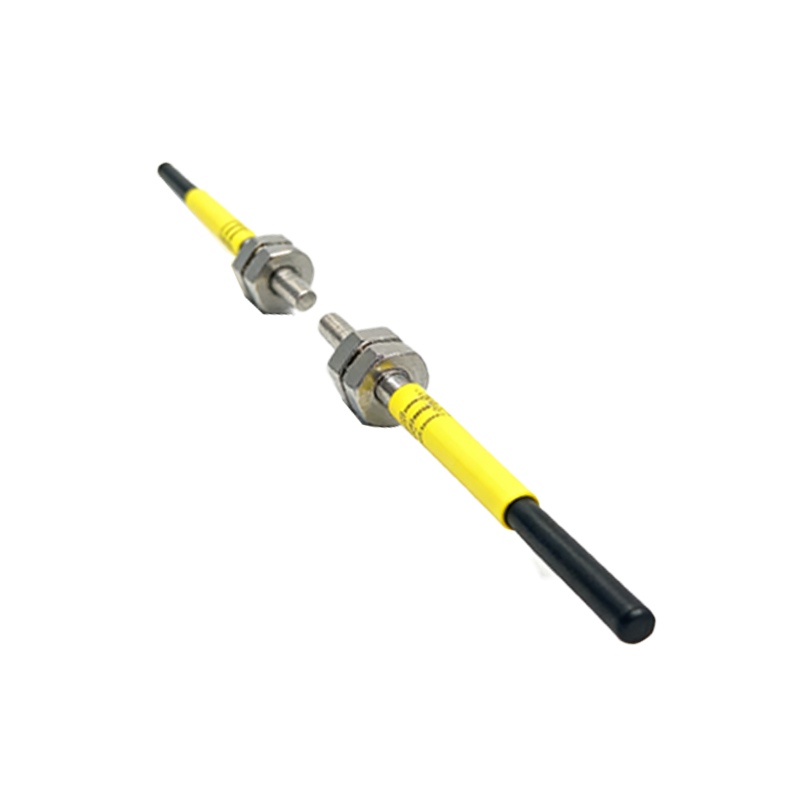
The fundamental difference lies in the photodiode and emitter technology. Generation 4 sensors utilized a refined LED-based emission system with a standard silicon photodiode receiver. This provided reliable performance for general-purpose applications. Generation 5, however, incorporates a VCSEL (Vertical-Cavity Surface-Emitting Laser) emitter paired with a high-sensitivity, multi-element photodiode array. This shift results in substantially improved accuracy, especially at longer ranges and in challenging ambient light conditions. The signal-to-noise ratio in Gen 5 is markedly superior, reducing false triggers and enhancing measurement precision.
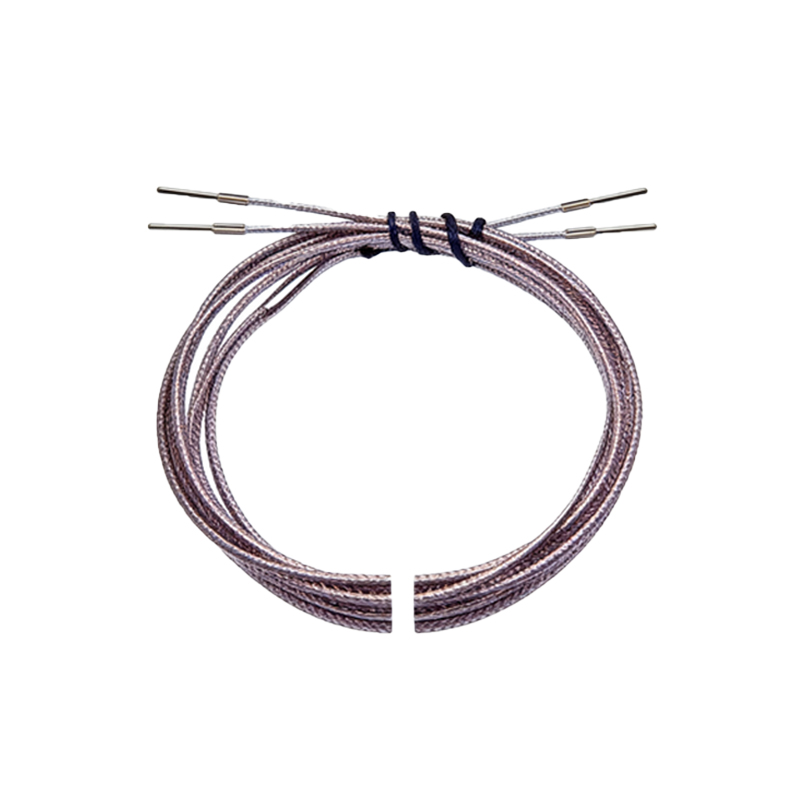
Response Time and Sampling Rate
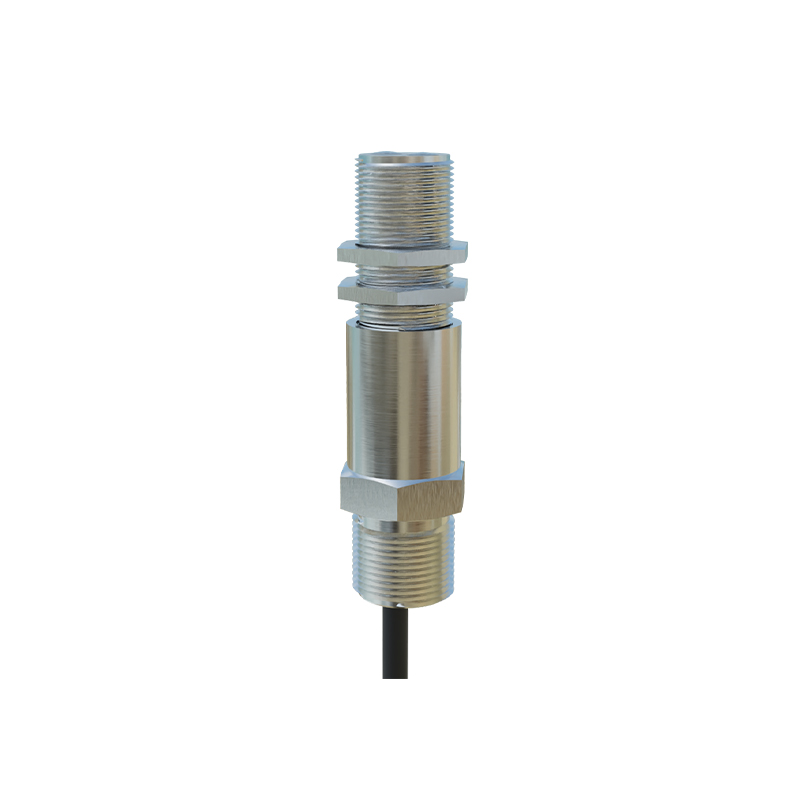
Operational speed is a critical parameter for dynamic applications. Garmin's fourth-generation sensors offered a respectable response time, typically in the range of 1-2 milliseconds, with a standard sampling rate. The fifth generation shatters this benchmark, achieving sub-millisecond response times. This is facilitated by a more powerful onboard processor and optimized signal processing algorithms. The increased sampling rate allows Gen 5 sensors to track rapid movements and vibrations with far greater fidelity, making them indispensable for high-speed automation and precise motion control systems.
Environmental Robustness and Durability
Both generations are built to withstand industrial environments, but the standards have been elevated. Generation 4 sensors feature a robust IP67-rated housing, protecting against dust and temporary immersion. Generation 5 sensors often achieve IP69K ratings, indicating protection against high-pressure, high-temperature water jets. Furthermore, the optical windows on Gen 5 units are made from a proprietary sapphire-coated glass, offering exceptional resistance to abrasion, chemicals, and impacts compared to the hardened glass used in Gen 4. This translates to longer service life and reduced maintenance in harsh settings.
Connectivity and Communication Protocols
The interface options highlight the evolution towards Industry 4.0. Generation 4 sensors primarily offered standard digital outputs (PNP/NPN) and analog voltage/current outputs (0-10V, 4-20mA). Generation 5 expands this portfolio significantly. While retaining legacy outputs, Gen 5 introduces integrated IO-Link capability as a standard or common option. This allows for bidirectional digital communication, enabling remote configuration, real-time parameter adjustment, and advanced diagnostics directly from a PLC or control system. This smart sensor functionality was largely absent in the previous generation.
Power Efficiency and Thermal Management
Energy consumption and operational temperature range are vital for system design. Generation 4 sensors operate efficiently within a standard industrial voltage range (10-30V DC) but can exhibit noticeable heat dissipation under continuous max load. The fifth generation incorporates a more efficient power regulation circuit and the VCSEL technology itself is more power-efficient for a given output intensity. This results in lower overall power draw and significantly reduced heat generation. Consequently, Gen 5 sensors support a wider operating temperature range, often from -40°C to 85°C, enhancing reliability in extreme thermal environments.
Application-Specific Enhancements
The generational upgrade brings targeted improvements for specific use cases. In automotive testing, Gen 5 sensors offer enhanced algorithms for detecting dark or shiny objects that posed challenges for Gen 4. In fitness equipment, the improved ambient light rejection eliminates interference from gym lighting. For packaging machinery, the faster response time of Gen 5 allows for higher throughput on production lines. The built-in diagnostics of Gen 5 can predict lens contamination or alignment issues, enabling predictive maintenance strategies that were not feasible with the simpler Gen 4 units.
Summary and Selection Guidance
In summary, the Garmin Generation 5 photoelectric sensor is a comprehensive upgrade over Generation 4. Key advantages include superior accuracy via VCSEL technology, faster response times, enhanced environmental sealing (IP69K), integrated smart features like IO-Link, and better power efficiency. Generation 4 sensors remain a cost-effective and reliable solution for applications where extreme speed, harsh washdowns, or advanced digital networking are not required. For new system designs, especially those demanding high precision, connectivity, and durability, the Generation 5 sensor is the unequivocal choice, future-proofing installations and maximizing operational efficiency.