Introduction to Proximity Sensor DC636V
The Proximity Sensor DC636V represents a critical component in modern industrial automation, designed for reliable non-contact detection in demanding environments. Operating on a 6-36V DC power supply, this sensor offers a versatile voltage range suitable for various control systems, from standard 12V/24V DC circuits to broader industrial PLC inputs. Its core function is to detect the presence or absence of a metallic target without physical contact, utilizing electromagnetic fields to ensure longevity and eliminate mechanical wear. The "636V" designation clearly indicates its operational voltage window, a key specification for engineers during system integration and electrical design phases. This foundational understanding is essential for selecting the right sensor for specific automation tasks, ensuring compatibility and operational safety.
Core Operating Principle and Technology
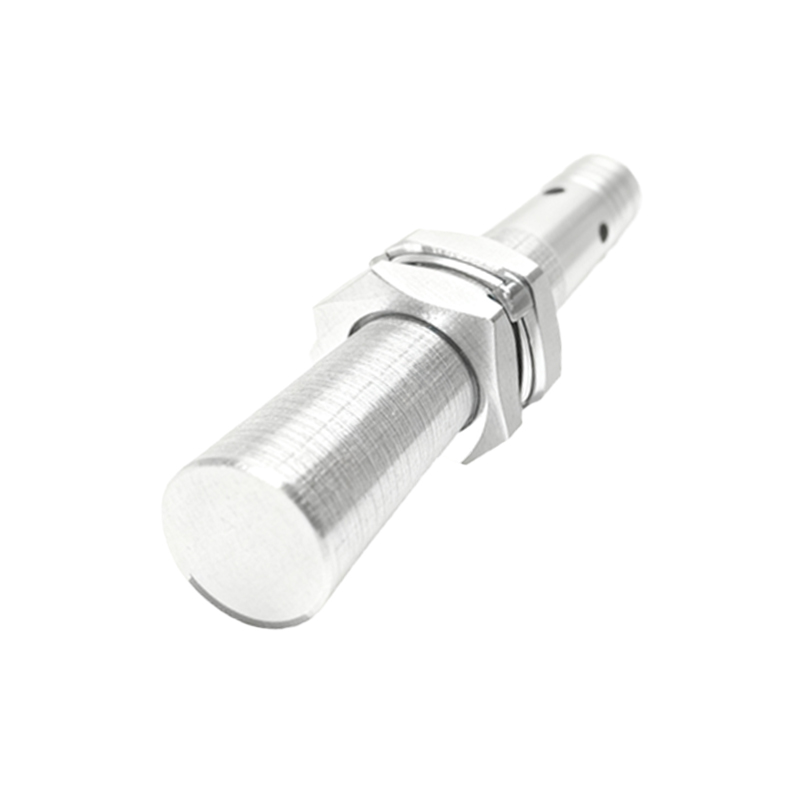
The DC636V proximity sensor primarily employs inductive sensing technology. It contains an oscillator circuit that generates a high-frequency electromagnetic field at its active face. When a ferrous or non-ferrous metal target enters this field, eddy currents are induced within the target. This causes a change in the oscillation amplitude within the sensor's internal circuit. A subsequent trigger circuit detects this change and switches the sensor's output state—typically from open to closed (in a normally-open configuration) or vice versa. This solid-state switching is fast, bounce-free, and highly repeatable. The wide 6-36V DC range is managed by internal voltage regulation and protection circuits, allowing consistent performance despite fluctuations in the supply voltage common in industrial settings, such as voltage drops in long cable runs.
Key Technical Specifications and Parameters
Critical specifications define the performance envelope of the DC636V sensor. The sensing distance, or nominal range (Sn), is a paramount factor, typically ranging from 1mm to 15mm depending on the model and target material. It is crucial to note the reduction factor for different metals; for instance, stainless steel may reduce the effective range. The output type is usually a 3-wire configuration (PNP or NPN transistor output) or a 2-wire version, with current ratings often up to 200mA. Key parameters include a high switching frequency (up to several kHz), enabling detection of rapidly moving parts, and a robust housing rating of IP67 or higher for resistance to dust and temporary immersion. Operating temperature ranges, typically from -25°C to +70°C, ensure functionality in harsh environments. The built-in short-circuit and reverse polarity protection are standard for the DC636V range, safeguarding both the sensor and the control system.
Installation and Wiring Considerations
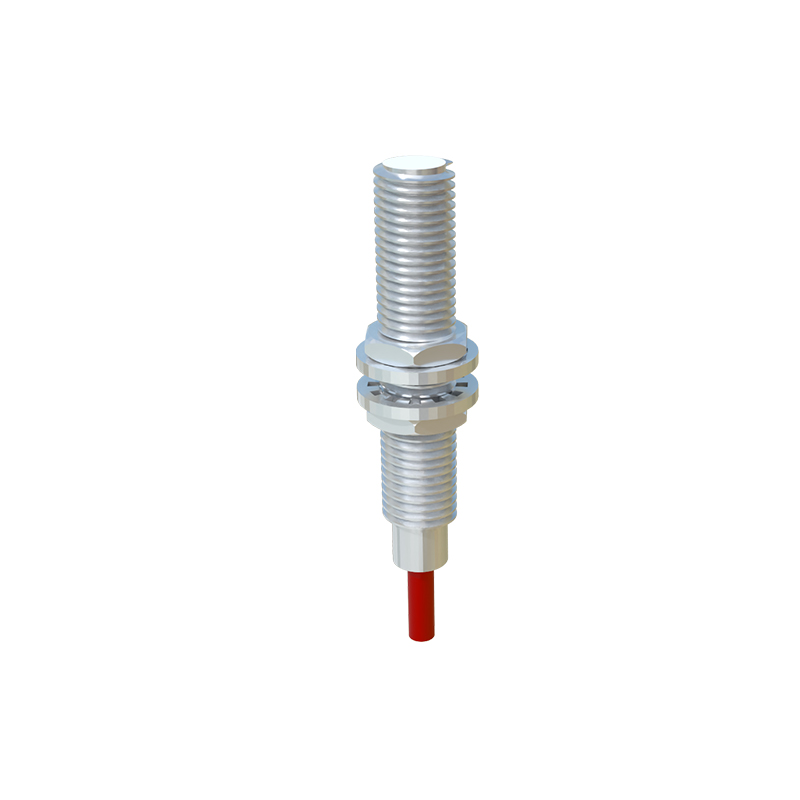
Proper installation is vital for optimal performance. Mounting must consider the sensor's flush or non-flush mounting capabilities, which affect the usable sensing distance. Adequate clearance between adjacent sensors is necessary to prevent mutual interference. For wiring, the standard color code is brown for DC+, blue for DC-, and black for the output signal (for PNP types). For NPN types, the output wire is often black as well, but the sinking current path differs. It is imperative to connect a load, such as a PLC input or relay coil, in series with the output. For 2-wire DC sensors, they are connected in series with the load similar to a mechanical switch, paying close attention to the residual current and voltage drop. Always refer to the manufacturer's datasheet for specific wiring diagrams and ensure the power supply is within the 6-36V DC specification to avoid damage.
Primary Industrial Applications and Use Cases
The robustness and reliability of the DC636V proximity sensor make it indispensable across numerous sectors. In automotive manufacturing, they are used for part presence verification on assembly lines, end-of-stroke detection on cylinders, and rotary speed monitoring on shafts. In packaging machinery, they count products, detect fill levels, and control positioning. Within material handling systems, these sensors monitor conveyor belt operations, detect pallet positions, and ensure robotic gripper alignment. Their sealed construction allows use in washdown areas of food and beverage plants. Furthermore, they are integral to CNC machine tools for tool positioning and workpiece detection. The wide voltage compatibility allows them to interface seamlessly with mobile equipment using 12V/24V systems and fixed plant machinery using 24V DC control panels.
Troubleshooting Common Operational Issues
Even with their reliability, issues can arise. Common problems include failure to detect the target. This can be caused by an incorrect target material (non-metallic), the target being outside the effective sensing range, or a