Introduction to the EV3 Light Sensor
The EV3 Light Sensor is a fundamental component in the LEGO Mindstorms EV3 robotics kit, serving as a crucial interface between a robot and its environment. This sophisticated yet accessible sensor detects ambient light intensity and measures reflected red light, enabling robots to perceive and react to their surroundings. It operates by emitting a red light and measuring the amount reflected back, which allows for precise detection of colors, lines, and surface variations. For engineers, educators, and hobbyists, mastering this sensor is the first step toward creating responsive and intelligent robotic systems. Its integration into the EV3 ecosystem exemplifies LEGO's commitment to making advanced robotics concepts tangible for learners of all levels.
Technical Specifications and Operating Principles
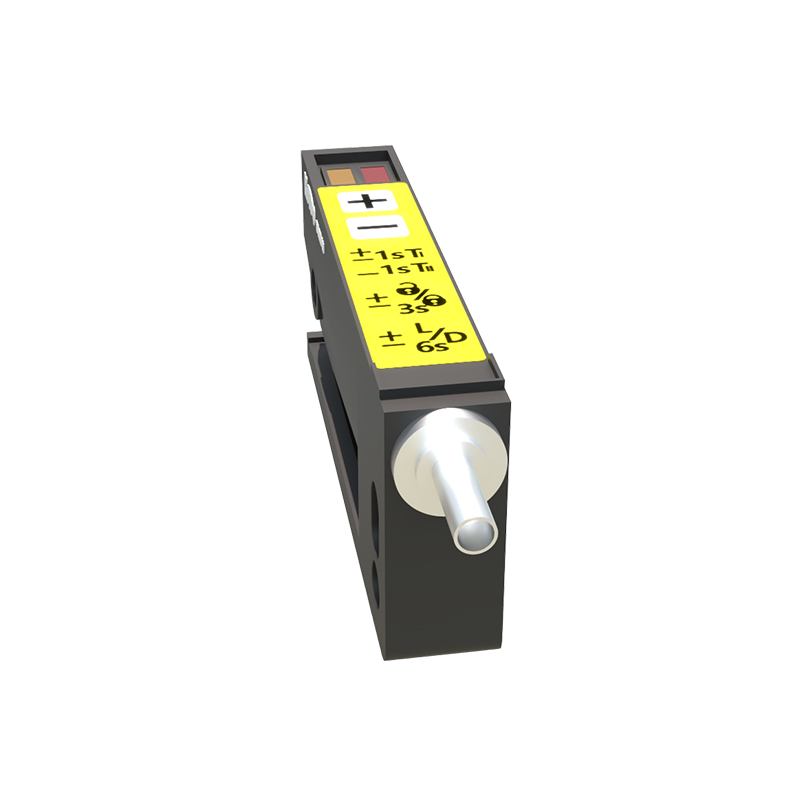
Understanding the technical underpinnings of the EV3 Light Sensor is key to leveraging its full potential. The sensor contains a phototransistor that converts light intensity into an electrical signal, which the EV3 Intelligent Brick then processes. It provides two primary modes of operation: Ambient Light Mode and Reflected Light Mode. In Ambient Light Mode, it measures the general light level in the environment, returning a value between 0 (very dark) and 100 (very bright). In Reflected Light Mode, it activates its own red LED and measures the light bouncing back from a surface, with values typically ranging from 0 (low reflection, like black) to 100 (high reflection, like white). This dual functionality makes it exceptionally versatile for diverse robotic applications.
Calibration and Programming Fundamentals
Accurate sensor readings are paramount for reliable robot behavior. Calibration is a critical process that accounts for varying lighting conditions and surface properties. The EV3 software provides built-in calibration blocks, allowing users to set reference values for specific "dark" and "light" surfaces. Programming the sensor involves using data wires and logic blocks within the EV3-G graphical programming environment or text-based languages like Python or RobotC. Common programming constructs include switch blocks for decision-making based on light thresholds and loop blocks for continuous monitoring. For instance, a basic line-following algorithm continuously compares sensor readings to a calibrated threshold to keep the robot on track.
Core Applications in Robotics Projects
The practical applications of the EV3 Light Sensor are vast and form the backbone of many educational and competitive robotics challenges. Its most iconic use is in line-following robots, where it detects the contrast between a dark line and a light surface. It is also instrumental in sorting machines that differentiate between colored objects, sumo robots that identify the ring's boundary, and interactive installations that respond to hand gestures or light signals. In advanced projects, multiple light sensors can be used in tandem for more complex navigation and object detection, teaching fundamental concepts in sensor fusion and feedback control systems.
Advanced Techniques and Sensor Fusion
Moving beyond basic applications, the EV3 Light Sensor can be integrated with other sensors to create more sophisticated robotic behaviors. Sensor fusion, combining data from the light sensor with inputs from ultrasonic, touch, or gyro sensors, enables environment mapping, precise positioning, and adaptive navigation. Advanced programming techniques involve using the raw sensor data for proportional-integral-derivative (PID) control algorithms, which allow for smooth and accurate line following. Furthermore, experimenting with custom light sources or filters can expand its capabilities, such as detecting specific colors or materials not typically distinguishable under standard red LED illumination.
Troubleshooting Common Issues
Even with a robust design, users may encounter issues with the EV3 Light Sensor. Common problems include inconsistent readings, which are often caused by ambient light interference, dirty sensor lenses, or uncalibrated settings. Ensuring a stable lighting environment and regularly cleaning the sensor's surface can mitigate many of these issues. Connection problems, where the EV3 brick fails to recognize the sensor, usually stem from faulty cables or port damage. Systematic troubleshooting—checking connections, restarting the brick, and testing the sensor in a simple program—is the best approach. Understanding these pitfalls enhances the debugging skills essential for any robotics engineer.
Educational Value and STEM Integration
The EV3 Light Sensor is more than a tool; it is a gateway to STEM education. It provides a hands-on platform for teaching abstract concepts like analog-to-digital conversion, threshold logic, and real-time system control. In classroom settings, it facilitates project-based learning, where students collaboratively solve problems, fostering critical thinking, creativity, and teamwork. Curriculum resources often use the sensor to illustrate scientific principles of light and reflection, mathematical concepts of data ranges and averages, and engineering design processes. Its intuitive nature lowers the barrier to entry, inspiring the next generation of innovators in robotics and automation.
Conclusion and Future Outlook
The EV3 LEGO Light Sensor remains a cornerstone of educational robotics, perfectly balancing simplicity with depth. Its design encourages exploration and iterative learning, allowing users to progress from basic interactive robots to complex autonomous machines. As technology evolves, the core principles demonstrated by this sensor—environmental perception, data processing, and programmed response—remain fundamental to the field of robotics. Mastering its use provides a solid foundation for understanding more advanced sensors and systems, making it an invaluable resource for anyone embarking on a journey in robotics, engineering, or computer science.