Introduction to Photoelectric Sensor Technology
Photoelectric sensors are indispensable components in modern industrial automation, providing reliable, non-contact detection of objects. These devices operate by emitting a light beam—typically infrared, visible red, or laser—and detecting changes in the received light signal. The core principle involves the interruption or reflection of this beam, which is then converted into an electrical output signal. This technology enables the detection of a vast range of materials, regardless of their color, surface texture, or composition, making it far more versatile than mechanical limit switches or proximity sensors. From ensuring precise positioning on a conveyor belt to counting bottles on a high-speed packaging line, photoelectric sensors form the eyes of automated systems. Their ability to function in harsh environments, resist vibration, and offer long sensing distances solidifies their critical role in manufacturing, logistics, and process control.
The Purpose and Design of a Demonstration Box
A photoelectric sensor demonstration box is an essential educational and sales tool designed to showcase the functionality, versatility, and ease of setup of various sensor types in a controlled, portable environment. Typically, a well-constructed demo box integrates multiple sensor models—such as through-beam, retro-reflective, diffuse, and background suppression sensors—into a single, compact unit. It features a clear acrylic or polycarbonate panel, allowing observers to see the internal components, light beam paths, and LED status indicators. The box includes sample targets of different materials (metal, plastic, glass), colors, and sizes, along with adjustable mounting brackets and a programmable logic controller (PLC) or simple push-button interface to simulate real-world triggering scenarios. This hands-on platform enables engineers and technicians to compare sensing modes, test detection limits, and understand alignment procedures without the complexity of a full-scale production line.
Key Sensor Types Showcased
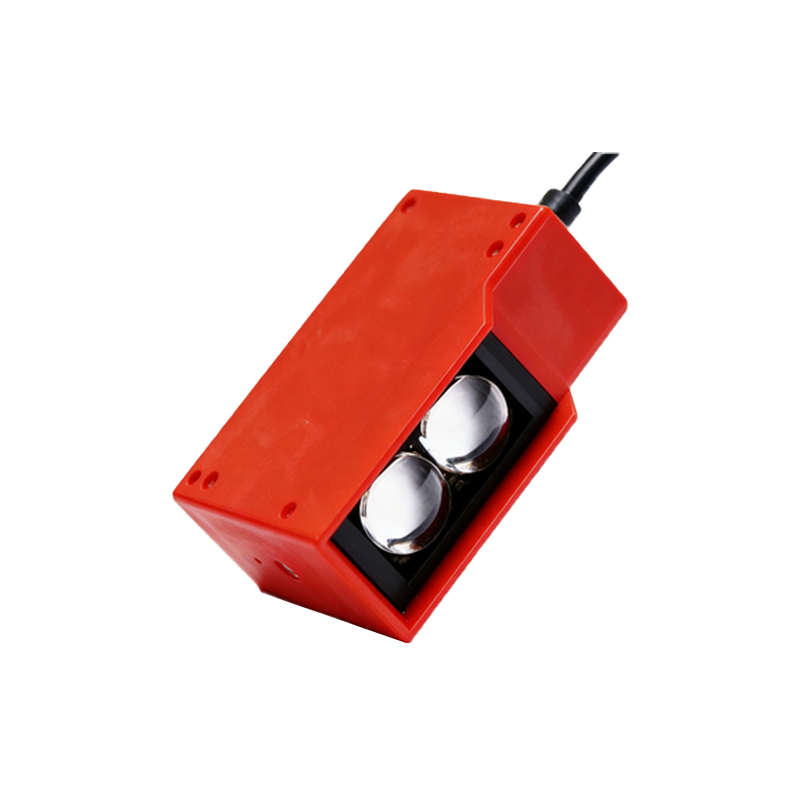
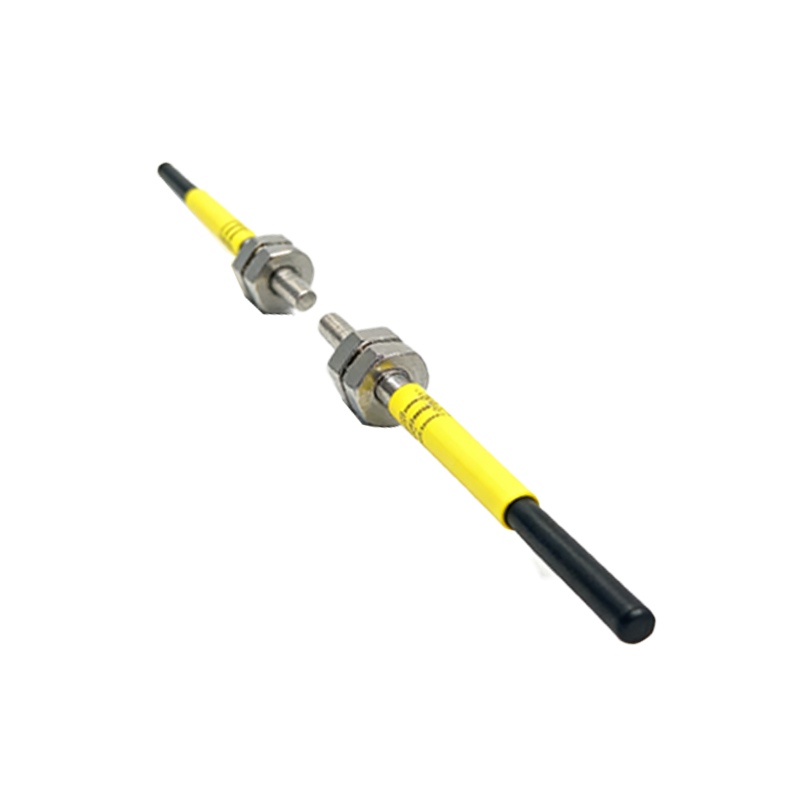
A comprehensive demonstration box highlights the primary operating modes. Through-beam sensors, consisting of separate emitter and receiver units, offer the longest sensing range and highest reliability, ideal for detecting small or opaque objects. Retro-reflective sensors use a single unit and a reflector, providing a practical solution for medium-range applications where mounting opposite sides is challenging. Diffuse or proximity sensors detect objects by measuring the reflection of light directly from the target's surface, perfect for short-range detection without a separate receiver. Finally, advanced models like background suppression and convergent beam sensors demonstrate their ability to ignore objects beyond a set focal point, crucial for detecting items on a conveyor regardless of the background color or material. Each type is presented with its characteristic wiring diagram, output configuration (PNP/NPN, NO/NC), and response time specifications.
Practical Applications and Configuration Scenarios
The demo box simulates common industrial challenges. One scenario might involve detecting a transparent glass bottle on a filling line, showcasing how a polarized retro-reflective sensor can reliably see through the container. Another setup could demonstrate a background suppression sensor distinguishing a black rubber gasket on a black conveyor belt, a task impossible for standard diffuse sensors. The box can also illustrate package counting, edge guiding for web materials, and level detection in bins. By providing adjustable sensitivity potentiometers and teach-in buttons, the box allows users to configure sensors on the fly, observing the effects of threshold adjustments on detection stability. This practical experimentation bridges the gap between datasheet specifications and real-world performance, highlighting factors like environmental light immunity, sensing window cleanliness, and the impact of target surface angle.
Benefits for Training and System Integration
Utilizing a photoelectric sensor demonstration box accelerates the learning curve for maintenance staff and new engineers. It provides a risk-free environment to troubleshoot common issues like misalignment, insufficient sensing margin, or electrical interference. For system integrators and sales engineers, it serves as a powerful visual aid to recommend the optimal sensor for a client's specific application, reducing commissioning time and preventing costly misapplications. The hands-on experience builds confidence in sensor selection, installation, and wiring. Furthermore, modern demo boxes often include connectivity modules for IO-Link, demonstrating how smart sensors can transmit detailed diagnostic data—like lens contamination warnings or temperature readings—to a central control system, paving the way for predictive maintenance strategies.
Selection Criteria for an Effective Demo Unit
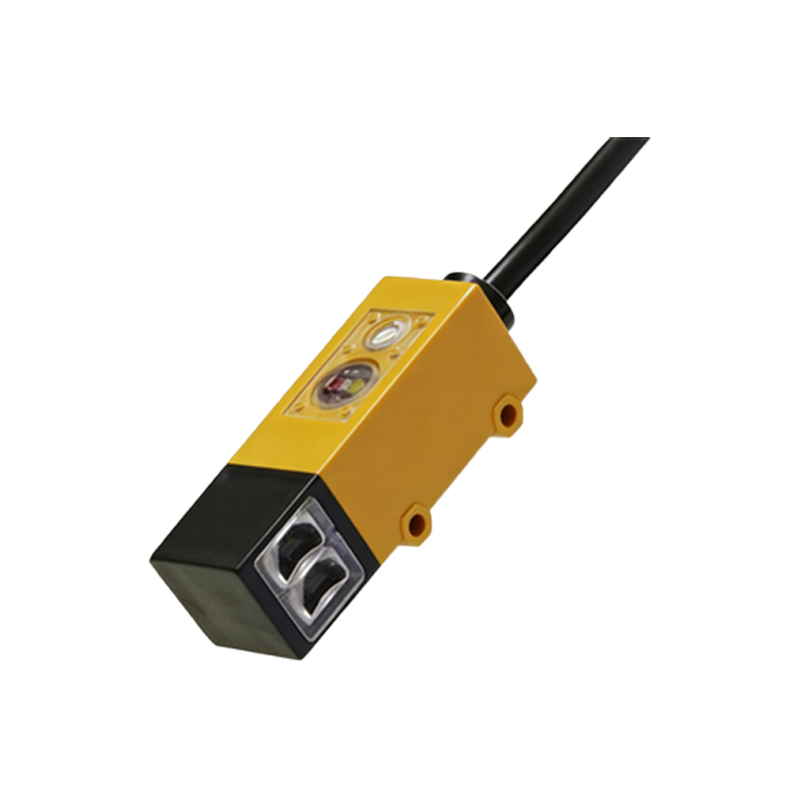
When evaluating or building a photoelectric sensor demonstration box, key criteria must be considered. The unit should include sensors from a reputable manufacturer known for quality and durability. It must represent a range of housing styles (cylindrical, rectangular) and connection types (M8, M12 connectors). The inclusion of both analog and discrete output models is advantageous. The mechanical design should be robust yet user-friendly, with clearly labeled components and secure, but accessible, mounting points. A built-in power supply with overload protection and status LEDs for power and output signals is essential. Ideally, the box should come with comprehensive documentation, including application notes and setup guides for each demonstrated scenario, transforming it from a simple display into a complete training toolkit.
Conclusion and Future Trends
A photoelectric sensor demonstration box is more than a display case; it is an interactive gateway to understanding a foundational technology of industrial automation. As sensors evolve with enhanced intelligence, miniaturization, and integrated safety features, the demo box will continue to be an invaluable tool. Future iterations will likely incorporate wireless configuration, augmented reality overlays to visualize beam paths, and demonstrations of sensor fusion with vision systems. By providing tangible, practical insights, these boxes empower professionals to design more efficient, reliable, and innovative automated solutions, ensuring that photoelectric sensing technology is applied to its fullest potential across countless industries.