Introduction to Photoelectric Sensors and C51 Microcontrollers
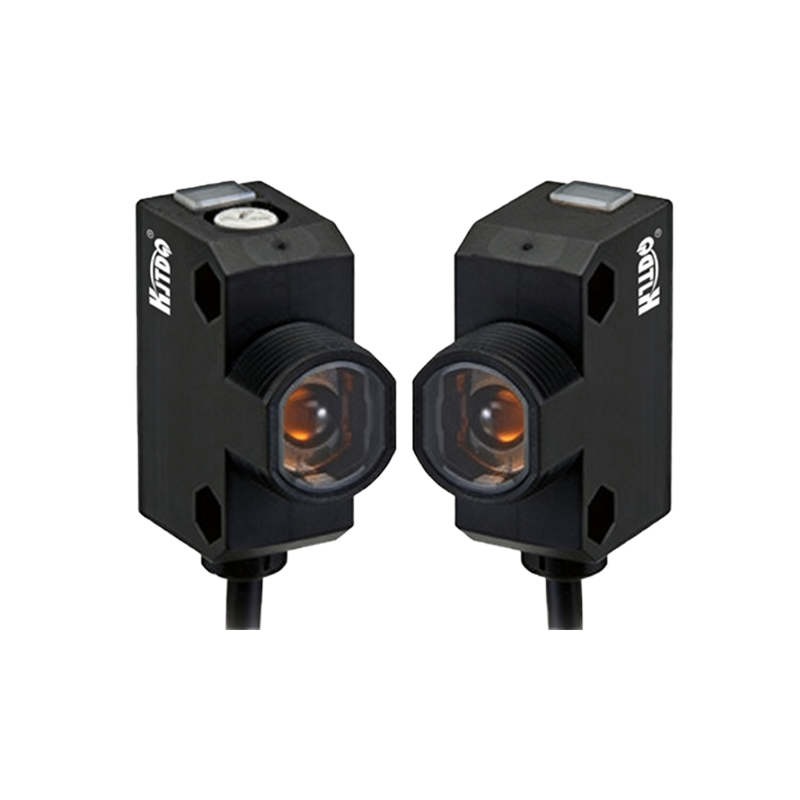
Photoelectric sensors are critical components in modern industrial automation, utilizing light beams to detect the presence, absence, or distance of objects. These sensors operate by emitting a light source, typically infrared or visible LED, and measuring the reflected or interrupted light with a photodetector. When integrated with a C51 microcontroller, a classic 8-bit MCU based on the Intel 8051 architecture, these sensors transform into intelligent, programmable detection systems. The C51's versatility, low power consumption, and extensive peripheral support make it an ideal choice for embedded control in sensor applications. This combination allows for precise signal processing, real-time response, and adaptability to various industrial environments, from assembly line monitoring to safety interlocks.
Hardware Interfacing and Circuit Design
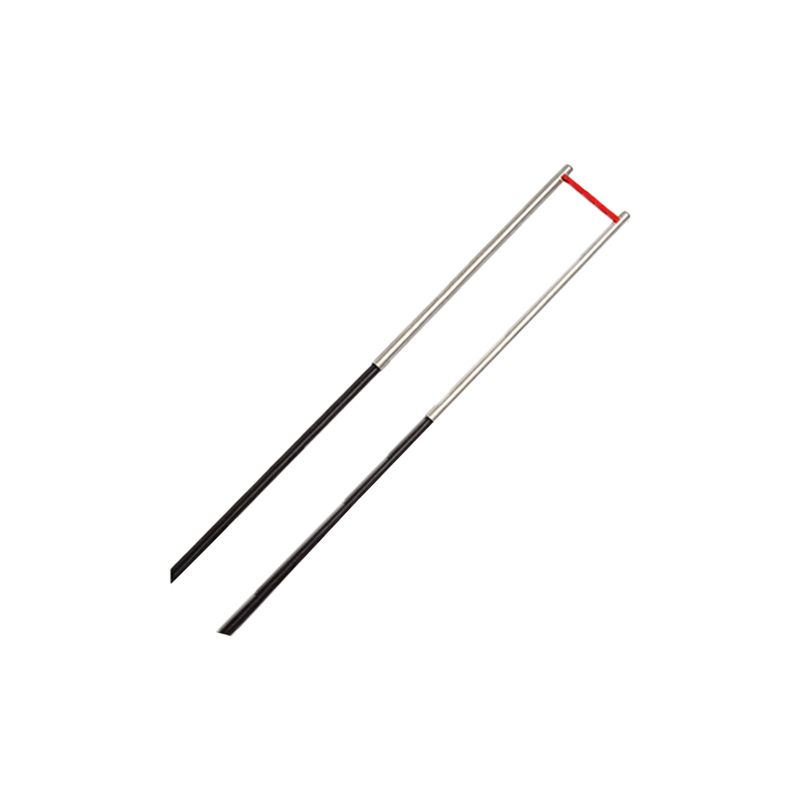
Connecting a photoelectric sensor to a C51 microcontroller involves careful hardware design to ensure reliable operation. Typically, the sensor module provides a digital output signal, which can be directly interfaced with one of the C51's GPIO pins. For analog sensors, an external ADC like the ADC0804 is required to convert the photodetector's varying voltage into a digital value readable by the microcontroller. Key circuit considerations include pull-up resistors for signal stability, operational amplifiers to condition weak sensor signals, and proper filtering to mitigate electrical noise common in industrial settings. Power supply decoupling is essential, often using 0.1µF capacitors near the C51's VCC pin to prevent voltage spikes. Additionally, the sensor's LED emitter usually requires a current-limiting resistor, calculated based on the forward voltage and desired intensity to optimize detection range and longevity.
Software Programming and Signal Processing
The C51's firmware, typically written in C or assembly language, manages the sensor's functionality. Initialization routines configure the relevant GPIO pins and, if used, the ADC. The core program often implements a polling or interrupt-driven method to read the sensor's status. For instance, an external interrupt can be triggered when the sensor's output changes state, enabling immediate response to object detection. Advanced algorithms may include debouncing routines to filter mechanical vibrations or ambient light interference. By programming threshold values, the system can differentiate between objects based on reflectivity or distance. Timer modules on the C51 facilitate functions like periodic sensor calibration or generating PWM signals to modulate the emitter LED, enhancing noise immunity. Efficient code ensures low latency, crucial for high-speed production lines.
Industrial Applications and Implementation Examples
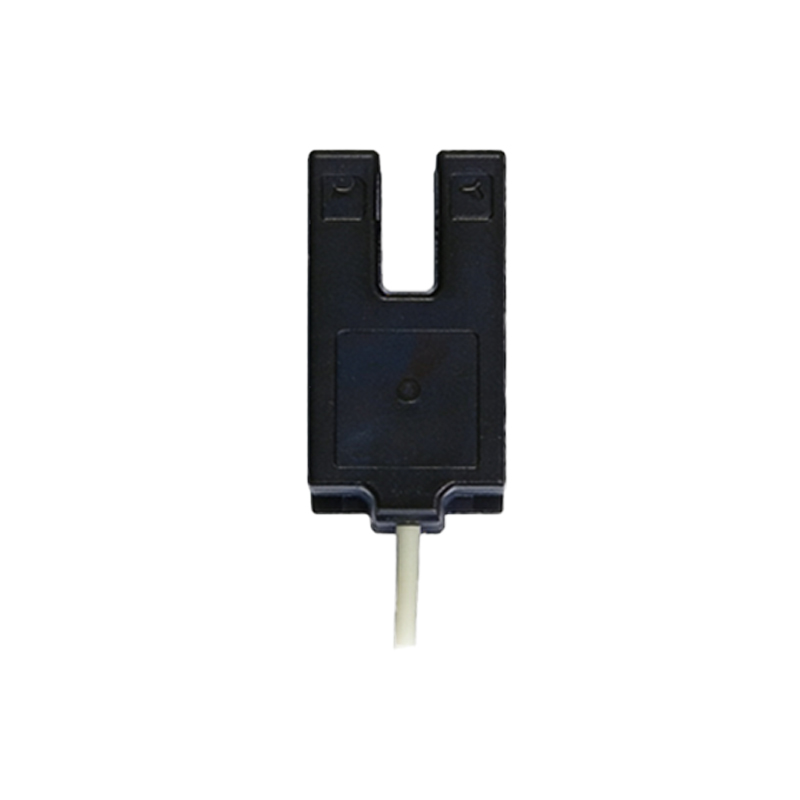
In industrial automation, C51-driven photoelectric sensors serve diverse roles. A common application is object counting on conveyor belts, where a through-beam sensor pair detects items passing between the emitter and receiver. The C51 tallies interrupts and can communicate counts to a central PLC via serial protocols like UART. Another example is position sensing in robotic arms, where reflective sensors determine the arm's home position. Safety systems also employ these sensors as light curtains; multiple sensors create an invisible barrier, and the C51 monitors all inputs to halt machinery if an obstruction is detected, protecting workers. Furthermore, in packaging machinery, sensors verify label presence or box closure, with the C51 triggering reject mechanisms if a fault is identified. These implementations highlight the system's reliability and cost-effectiveness for small to medium-scale automation.
Optimization and Troubleshooting Techniques
Optimizing a C51 photoelectric sensor system involves both hardware and software adjustments. To increase detection accuracy, calibrate the sensor under actual operating conditions, adjusting the potentiometer on many modules for sensitivity. Software averaging of multiple ADC readings can smooth out transient noise. Power management is vital; putting the C51 into idle or power-down mode during inactive periods conserves energy in battery-operated setups. For troubleshooting, use an oscilloscope to verify the sensor's output waveform and check for signal integrity issues like ground loops or EMI. Common problems include false triggers from ambient light, which can be mitigated by using modulated infrared light and corresponding demodulation in code. Regularly update firmware to refine logic, and ensure all electrical connections are secure to prevent intermittent failures, maintaining system uptime in demanding industrial environments.